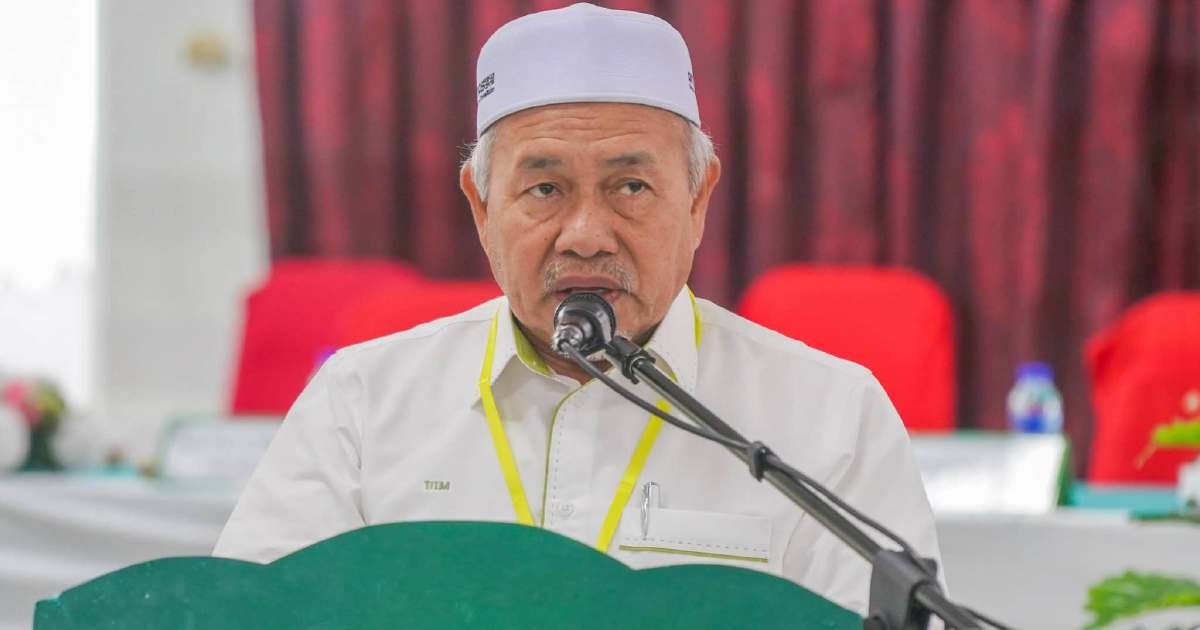
The Islamist party Pas faces a significant generational gap that threatens to constrain its electoral performance in the upcoming Johor state election. According to deputy president Datuk Seri Tuan Ibrahim Tuan Man, wooing younger voters represents the most formidable challenge confronting the party as it attempts to expand its political footprint in a state where demographics skew increasingly urban and digitally connected. The candid acknowledgement underscores broader strategic concerns within Pas leadership about the party's ability to remain electorally competitive in a shifting political landscape where conventional appeals to Islam and traditional conservatism may resonate less powerfully with younger generations.
Youth disengagement from Pas mirrors patterns observed across Malaysia's political establishment, where younger citizens increasingly favour non-partisan approaches or alternative platforms disconnected from traditional party structures. However, the issue carries particular acuity for Pas given the party's ideological positioning and historical voting blocs. The party has long maintained strength among older, more religious and rural constituencies, constituencies that have provided steady electoral returns but offer limited room for growth. Expanding into younger urban demographics would require significant repositioning of messaging, organisational strategy, and policy priorities—all moves that carry internal political costs within a party with deeply rooted institutional cultures.
The Johor state election represents a critical test of Pas's broader revival agenda following several disappointing electoral performances and internal organisational setbacks. Johor has historically presented mixed fortunes for the party; while it maintains pockets of support in certain districts, the state remains dominated by Barisan Nasional and Pakatan Harapan machinery. The demographic composition of Johor voters—concentrated heavily in urban centres like Johor Bahru and Kluang, where young professionals and migrant workers form substantial populations—makes youth engagement particularly consequential for any party seeking meaningful representation.
The generational challenge Pas confronts extends beyond simple messaging or campaign tactics. Younger voters, particularly those aged eighteen to thirty-five, demonstrate distinct political behaviour patterns compared to their parents' generation. They prioritise economic management, employment opportunities, and infrastructure over religious and cultural issues, according to multiple electoral surveys conducted across Malaysia. This divergence creates a fundamental strategic dilemma for Pas: compromising on religious and moral messaging to appeal to youth risks alienating core supporters, yet maintaining traditional positioning guarantees continued marginalisation among demographics that will constitute the electoral majority within ten years.
Tuan Ibrahim's public acknowledgement of this vulnerability also reflects internal party deliberations about how to modernise Pas without sacrificing its Islamic credentials or alienating the conservative constituency that sustains its organisation. The party has experimented with digital outreach and younger candidate selection in recent electoral cycles, yet these efforts have produced incremental rather than transformative results. Social media campaigns featuring younger party members and policy positions addressing youth unemployment and education have generated modest engagement but failed to reverse the underlying perception among many young voters that Pas represents an orthodox, backward-looking movement disconnected from contemporary concerns.
The timing of Tuan Ibrahim's remarks, delivered in Kota Baru, suggests deliberate effort by senior party leadership to frame the Johor campaign as opportunity for programmatic renewal. By publicly identifying youth as a challenge, the deputy president signals to both party cadres and external observers that organisational resources and intellectual energy will concentrate on this demographic. Whether such focus translates into electoral gains remains uncertain, particularly given entrenched perceptions about Pas's identity and competing parties' established networks within youth communities.
Regional implications of Pas's generational struggle extend throughout Southeast Asia's Islamist political landscape. Malaysia's Pas functions as a reference point for moderate Islamist parties across Indonesia, Thailand, and Bangladesh. Its electoral trajectory and strategic choices influence how similar parties approach the perpetual tension between ideological purity and electoral competitiveness. If Pas succeeds in bridging the generational divide while maintaining Islamic credentials, it would demonstrate a viable path for Islamist parties seeking to remain electorally relevant in increasingly pluralistic democracies. Conversely, continued youth alienation would reinforce arguments that traditional religious political movements face structural decline in competitive electoral environments.
The Johor state election campaign will therefore serve as a proving ground for Pas's broader relevance in Malaysian politics. The party's capacity to translate recognition of its youth problem into concrete electoral remedies will determine not only its performance in Johor but also its strategic positioning for the next federal election cycle. Younger voters in Johor—many of whom work in commerce, manufacturing, and services sectors—represent swing populations that could shift significantly based on economic messaging, governance competence arguments, and demonstration of modern political organisation.
For Malaysian voters more broadly, the Pas challenge in youth engagement raises important questions about political representation and generational renewal within established parties. As Malaysia's population continues to age and become more urbanised, all political movements face similar pressures to modernise appeal and operations. How Pas navigates this transition will influence whether the party remains a significant electoral actor or gradually contracts to its hardcore base, a trajectory with implications for coalition possibilities and government formation at both state and federal levels.

