Medical researchers are sounding the alarm over a troubling trend: people under 55 today are ageing more rapidly at the biological level than their older counterparts, making them vulnerable to diseases traditionally associated with advanced age. This finding contradicts the widespread assumption that younger generations, armed with social media health tips and fitness advice, are healthier and better informed than their predecessors. Instead, doctors across leading institutions warn that despite unprecedented access to wellness information, contemporary younger cohorts face steeper health risks than older age groups.
Washington University researchers have documented that biological age—the actual condition of our bodies—increasingly diverges from chronological age in younger people, a gap with serious implications. According to the university's findings, the larger this discrepancy between how old our bodies actually function and how many years we have lived, the higher the associated cancer risk becomes. This pattern appears systematic across recent birth cohorts, with younger generations showing consistently larger gaps than those born decades earlier, potentially explaining the surge in early-onset cancers now observed in people in their thirties, forties and early fifties.
The Washington team identified specific mechanisms linking accelerated ageing to disease. Their research revealed connections between premature ageing of particular organ systems and elevated cancer vulnerability. Most notably, immune systems that appear biologically older than their chronological age correspond with increased risk of early-onset lung cancer, a finding that holds significant implications for younger smokers and those with environmental exposure to respiratory carcinogens. Similarly, the researchers found that abnormally aged fat tissue correlates with rising rates of early-onset colorectal cancer, a disease that has been appearing with alarming frequency in people in their twenties, thirties and forties across developed nations.
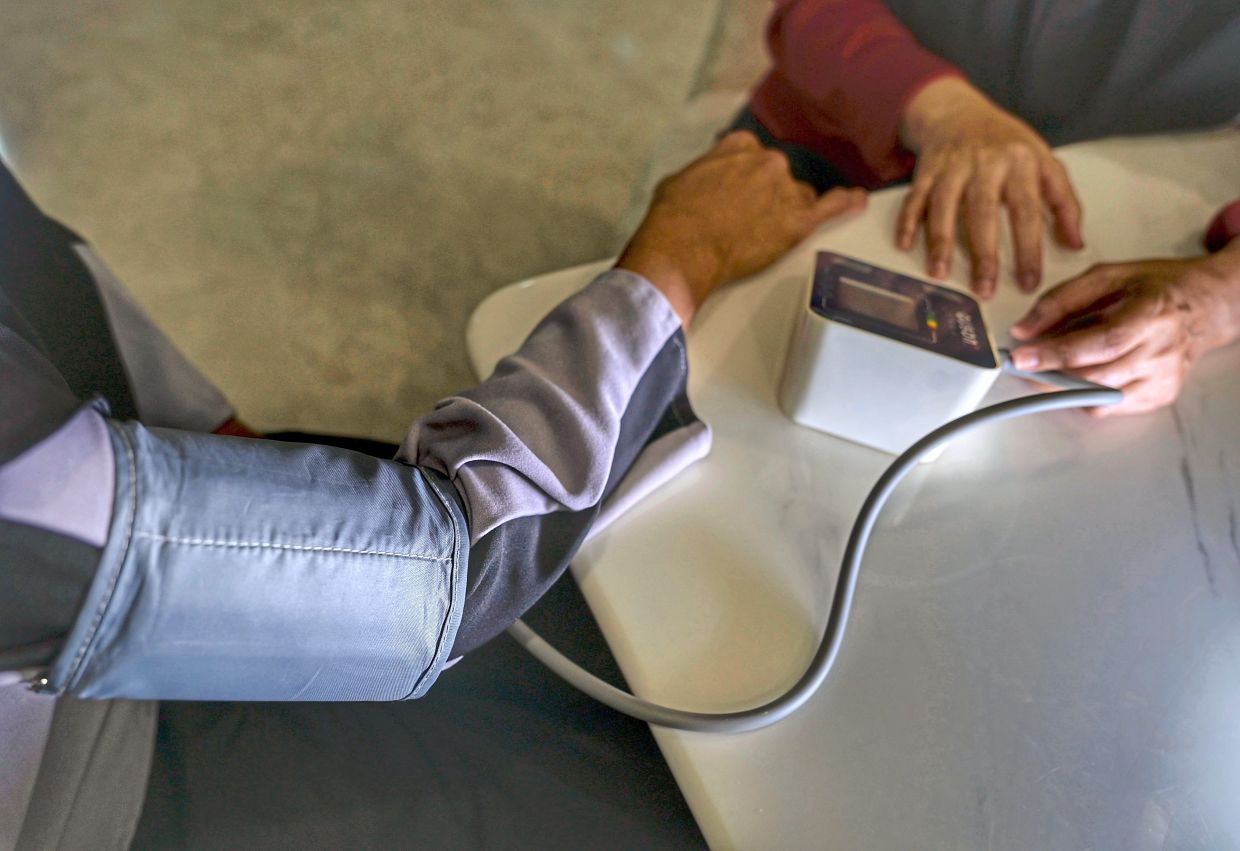
These cancer findings are complemented by alarming trends in cardiovascular health. The Mayo Clinic has highlighted that hypertension, long dismissed as a condition affecting only older people or those with obesity and diabetes, now strikes individuals across all age groups with increasing prevalence. Blood pressure elevation among young and middle-aged adults has climbed globally, often going undetected because healthy-appearing younger individuals may carry genetic predispositions to hypertension without obvious warning signs. The clinic warns that when left untreated, elevated blood pressure sets in motion a cascade of serious complications including heart attacks, strokes, heart failure, kidney damage, eye problems and even cognitive decline.
The implications of these findings resonate particularly for Malaysian and Southeast Asian populations, where rising obesity rates, dietary shifts and sedentary lifestyles are accelerating the emergence of non-communicable diseases in younger age groups. Malaysia has experienced a notable uptick in lifestyle-related conditions among working-age adults, from metabolic syndrome to Type 2 diabetes, conditions that compound the biological ageing process. The convergence of traditional risk factors with this new understanding of accelerated cellular ageing suggests that younger Malaysians cannot rely on age alone to protect them from serious health threats.
What distinguishes the current generational pattern is not merely lifestyle choices but appears to reflect deeper biological mechanisms. Researchers at the University of Edinburgh and the Max Planck Institute have identified that spontaneous genetic mutations accumulate across generations, introducing heritable changes that reduce overall fitness in populations of highly adapted organisms. This suggests that the problem may extend beyond individual behaviour modifications and diet—there may be genetic and evolutionary dimensions at play that younger people inherit from their parents and grandparents, compounding the effects of modern lifestyle risks.
The proliferation of health content on social media, while seemingly empowering, may create a false sense of security among younger adults. Workout gurus, diet fads, and viral wellness hacks often oversimplify complex biological processes and may even discourage people from seeking professional medical evaluation if they believe they are following optimal health practices. This clickbait-driven health information ecosystem can delay diagnosis and intervention for serious conditions like undiagnosed hypertension or early-stage cancers, particularly among those who regard themselves as health-conscious.
The convergence of evidence points to a clear message for younger adults: chronological youth is no longer adequate protection against diseases previously thought to affect only the elderly. Those under 55 should regard themselves as vulnerable to conditions like early-onset cancer, hypertension and cardiovascular disease, irrespective of their apparent fitness levels or social media health engagement. For Malaysia specifically, where healthcare systems are already grappling with rising treatment costs for non-communicable diseases, this research underscores the urgent need for preventive screening programs targeting younger age groups.
Healthcare providers now face mounting pressure to establish earlier and more aggressive screening protocols for traditionally age-related conditions. Regular blood pressure checks, cancer screenings and metabolic assessments should begin earlier than conventional guidelines suggest, particularly for individuals with family histories of these conditions. Given the heritable genetic component identified by European researchers, family medical history becomes an increasingly important tool for identifying high-risk younger individuals who might otherwise avoid medical attention. For Malaysian clinicians and public health authorities, integrating these findings into national health guidelines and public awareness campaigns represents an essential step in arresting what appears to be a generational health crisis.

