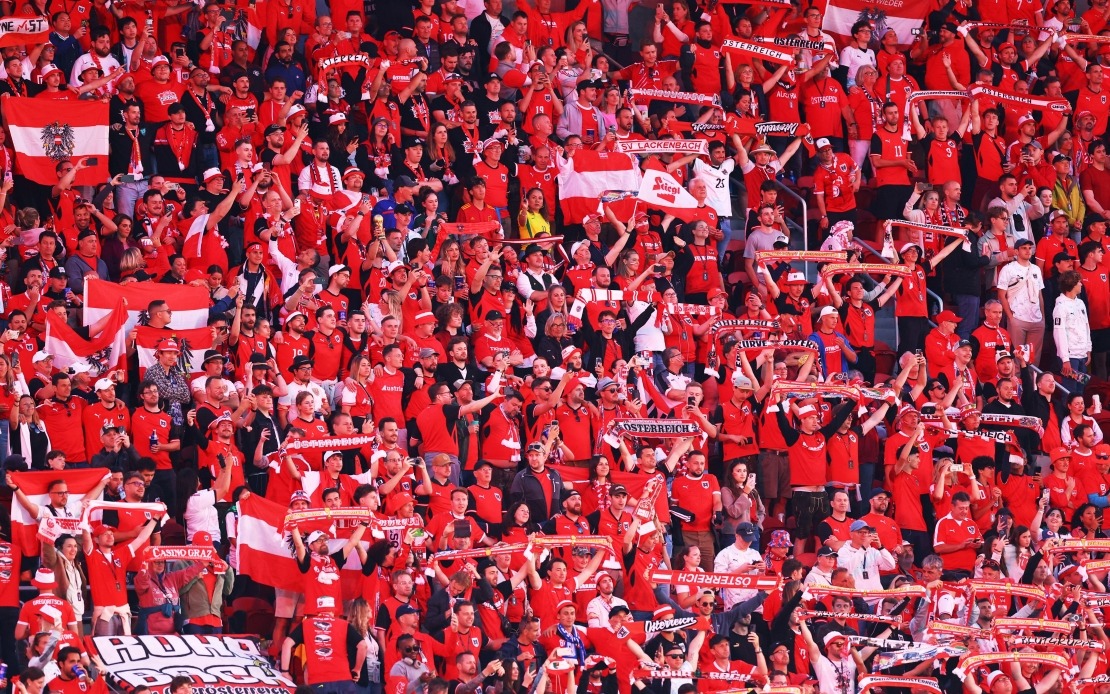
FIFA has confirmed that the expanded World Cup format across the United States, Canada and Mexico has delivered unprecedented commercial success and fan engagement, with the group stage drawing a record-breaking total of 4.644 million spectators according to figures released by the governing body. The 72 group stage matches substantially exceeded the attendance of the 1994 World Cup in the United States, which attracted 3.587 million fans, demonstrating the broad appeal of the tournament despite considerable logistical challenges of hosting across three nations.
The expanded format introduced 48 teams competing in 80 matches overall, representing a significant expansion from traditional tournament structures. This increase in total matches and participating nations accounts for the higher aggregate attendance figure compared to 1994, when only 24 teams played 52 matches in total. The sheer volume of matches distributed across multiple venues and cities ensured broader geographical access for fans throughout North America, fundamentally altering the attendance dynamics compared to previous competitions.
While total attendance numbers reached historic levels, individual match averages tell a different story about crowd dynamics. The current tournament averaged 64,508 spectators per match during the group stage, falling below the 1994 figure of 68,991 per game. This decline in per-match averages reflects the mathematical reality of distributing fans across a larger number of simultaneous fixtures, as well as varying stadium capacities and local interest across different host regions. The trade-off between total attendance and per-match capacity illustrates the complex considerations governing body officials face when expanding tournament formats.
Goal-scoring records have similarly reached new heights under the expanded format, with 215 goals scored during group stage play, establishing a new benchmark for prolific attacking football. The average of three goals per match represents a meaningful increase from the 2022 Qatar tournament, which recorded 179 goals across 64 matches and averaged 2.8 goals per game. This elevation in scoring output reflects either changing tactical approaches, evolving defensive vulnerabilities exposed by the larger player pool, or simply the increased number of fixtures providing more opportunities for offensive production.
The participation of 48 teams necessitated the involvement of 999 players in the group stage, a substantial player pool that dramatically expanded the talent represented at the competition. Canada captain Alphonso Davies made history by becoming the 1,000th player to feature in the tournament when he entered as a substitute during Canada's knockout round encounter against South Africa. This milestone underscores the unprecedented scale of the expanded format and the breadth of international football talent now involved in World Cup competition.
Beyond the sporting spectacle, stadium concessions revealed the commercial dynamics of modern football tournaments. FIFA reported the sale of 2.8 million beers across all stadiums, reflecting traditional beverage consumption patterns at sporting events. Hot dog sales reached 300,000 units, while nearly one million bottles of water were purchased, indicating the diversity of fan preferences and the substantial infrastructure required to serve such massive crowds. These figures demonstrate the ancillary revenue opportunities generated by expanded tournaments and the sophisticated supply chain logistics necessary to maintain food and beverage operations across multiple venues.
Official fanfest installations established in all three host nations attracted over 5.5 million additional visitors beyond those attending matches in stadiums, effectively doubling the direct engagement footprint of the tournament. These public viewing areas consumed more than two million alcoholic drinks and almost two million soft drinks, indicating that fan enthusiasm extended well beyond traditional stadium attendees. The success of fanfests reflects changing preferences among supporters, particularly younger demographics or families seeking more affordable or flexible viewing experiences compared to stadium attendance.
For Malaysia and Southeast Asia, the attendance records and commercial success of the expanded format carry implications for future tournament hosting ambitions. The ability to attract millions of fans and generate substantial economic activity through merchandise, hospitality, and hospitality services demonstrates the viability of major football tournaments as economic generators. Several Southeast Asian nations have previously expressed interest in hosting major football competitions, and the commercial data from this expanded World Cup suggests strong potential for regional returns should such opportunities materialise.
The tournament's logistics success across three geographically dispersed nations also offers lessons for potential multi-nation hosting arrangements that might appeal to Southeast Asian football federations. Rather than concentrating infrastructure and facilities in a single location, distributing matches across several countries allows participating nations to share hosting responsibilities and distribute economic benefits more equitably. This model could prove particularly attractive for regional tournaments or future World Cup editions in Asia-Pacific regions.
The expansion to 48 teams has fundamentally altered World Cup economics and accessibility. By increasing the total number of matches and participating nations, FIFA has created more employment opportunities for stadium workers, hospitality staff, and support services across host nations. The scale of consumption data—from nearly three million beers to hundreds of thousands of hot dogs—illustrates the downstream economic multiplier effects generated by tournament hosting, benefiting restaurants, breweries, food suppliers, and transportation services.
Looking ahead, the commercial success metrics established during this tournament will likely inform FIFA's deliberations on future expansion decisions. The record-breaking attendance figures provide quantitative justification for the expanded format's continuation, even as per-match averages declined relative to previous competitions. For Asian football administrators, these data points underscore the commercial viability of expanded competitions and multi-nation hosting arrangements.

