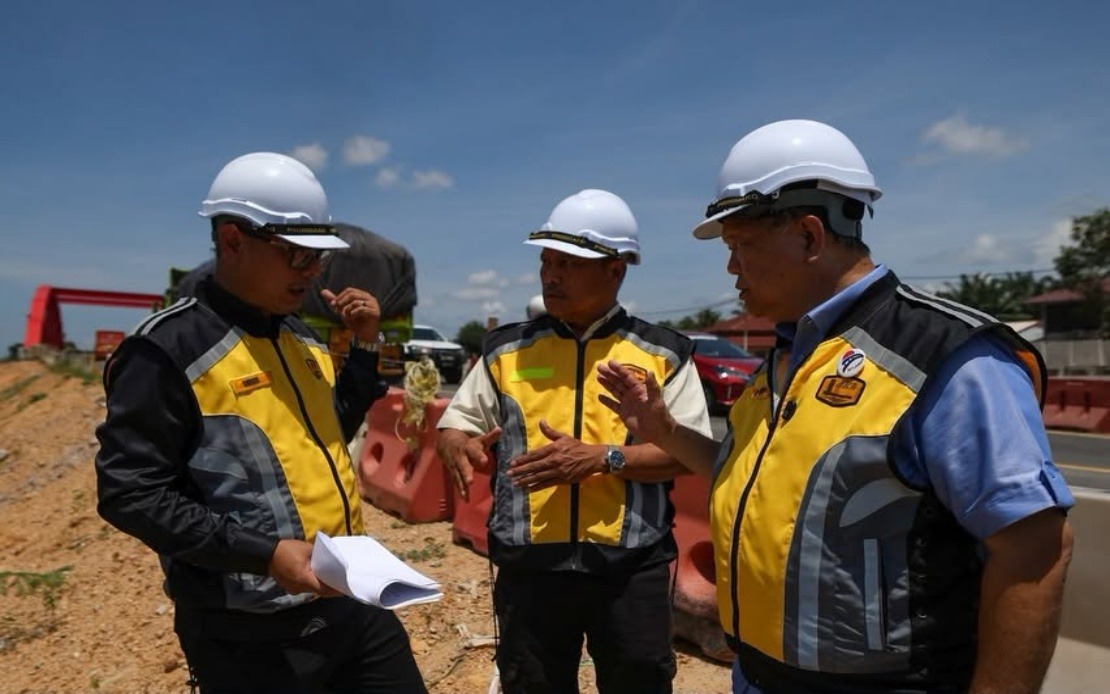
Works Minister Datuk Seri Alexander Nanta Linggi has ordered the contractor responsible for the Sungai Durian Bridge Replacement Project in Kuala Krai to pick up the pace, following a surprise inspection that revealed ongoing scheduling problems despite the project having already received six Extensions of Time. The minister's directive came after he visited the site personally to evaluate where matters stood, underlining the government's frustration with a project that continues to miss its targets.
The delays plaguing this infrastructure initiative stem from multiple technical complications on the ground. Borepile installation works have encountered obstacles from existing utility pipelines that crisscross the project site, forcing construction crews to adapt their methods and timeline. Separately, challenges with the temporary support structure required for the steel bridge component have further hindered progress. These issues, while legitimate obstacles, have nevertheless contributed to an increasingly unacceptable pattern of postponements that has tested public patience.
Nanta made clear in his statement that further slippage would not be tolerated, emphasising that the local community has already endured an excessive wait for this vital infrastructure to become operational. He has instructed the contractor to mobilise additional personnel and equipment to the site, intensify the pace of construction activities, and work collaboratively with the Public Works Department to resolve outstanding technical challenges without further delay. The combination of enhanced resources and heightened oversight represents a standard remedial approach when projects threaten to spiral into chronic underperformance.
For Kelantan residents in the Kuala Krai district, this bridge represents more than a mere construction statistic. The replacement project holds genuine significance for local connectivity, commerce, and community movement across the waterway. The accumulation of six Extensions of Time signals that initial estimates proved overly optimistic, a common phenomenon in Malaysian infrastructure projects where geological surveys, utility coordination, and supply chain disruptions frequently create cascading complications. Each extension represents a broken promise to constituents who depend on improved transportation infrastructure.
The minister's personal site visit carries symbolic weight within Malaysia's governmental culture, signalling high-level accountability and demanding contractor responsiveness. By making a surprise inspection public through his official Facebook statement, Nanta has created a record of the current position and established clear performance expectations moving forward. This approach also serves to reassure the public that the Ministry is actively engaged rather than passively accepting explanations for delay.
The involvement of the Public Works Department in oversight and troubleshooting reflects recognition that borepile and steel bridge work involve technical complexities requiring specialist input. Utility pipeline conflicts require careful coordination with relevant service providers, while temporary support structures demand engineering solutions that balance cost, timeline, and structural integrity. By coupling contractor responsibility with departmental support, the government positions itself to diagnose and eliminate remaining obstacles.
From a regional perspective, Malaysian infrastructure projects increasingly attract scrutiny regarding completion reliability and cost management. Neighbouring Southeast Asian countries have experienced similar challenges with major works, from Bangkok's mass transit extensions to Jakarta's port expansions. How Malaysia handles this Kuala Krai bridge project sends messages about the country's capacity to deliver on infrastructure commitments, particularly important as the government pursues broader connectivity initiatives under various economic frameworks.
The financial implications of repeated extensions warrant attention. Each Extension of Time typically triggers cost adjustments, variation orders, and prolonged mobilisation of resources that inflate the ultimate project expenditure. For a government conscious of fiscal constraints and competing development priorities, these cost overruns represent resources diverted from alternative initiatives that might benefit other communities or sectors. The minister's insistence on schedule adherence reflects not merely impatience but sound financial stewardship.
Moving ahead, the contractor faces unmistakable pressure to deliver. The combination of ministerial attention, public accountability through social media announcement, and departmental oversight creates a performance environment where excuses hold diminishing value. Whether the additional resources now deployed will suffice to overcome the remaining technical obstacles remains to be seen, but the trajectory has clearly shifted toward decisive action rather than extended negotiation of further delays.
For Malaysian infrastructure watchers, this situation illustrates both the complexity of major construction projects and the importance of robust project governance. Technical challenges are inevitable in significant works involving utility coordination and specialised engineering. However, the governance framework must swiftly identify problems, mobilise solutions, and maintain accountability. Nanta's intervention suggests that where adequate oversight mechanisms exist, even delayed projects can be brought back toward productivity through sustained pressure and enhanced resources.

