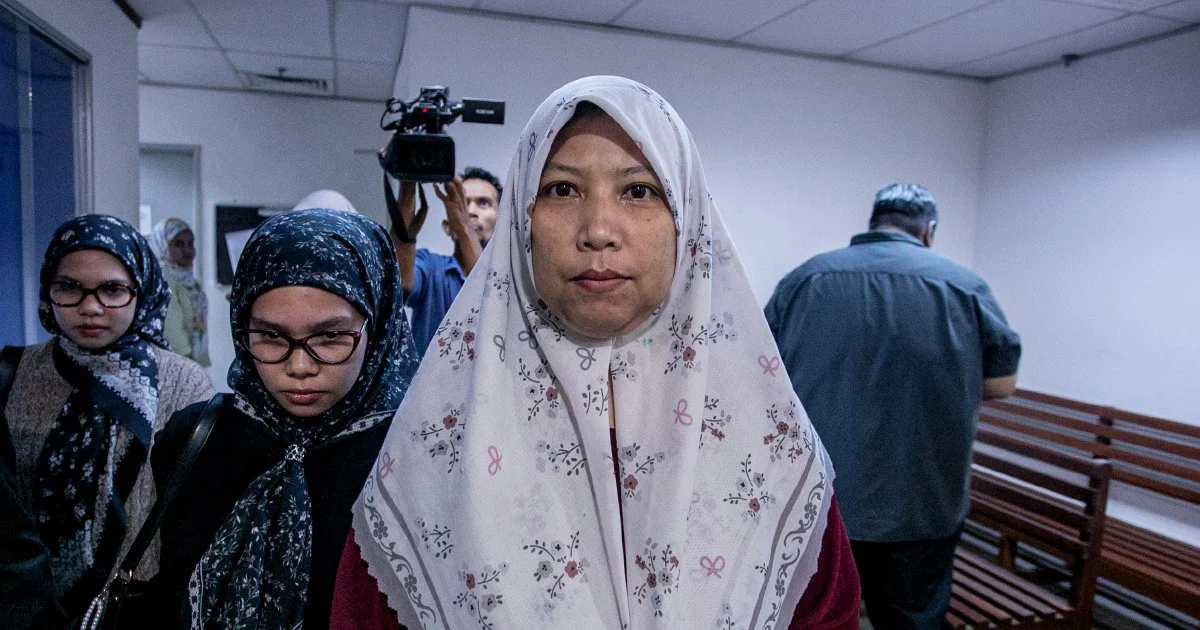
A magistrate's court in Ipoh delivered a swift conclusion to a case involving physical contact with Perak's reigning monarch on Tuesday, imposing a RM500 fine on a woman who admitted to using criminal force against Sultan Nazrin Shah. The incident occurred during the state's National Day celebration in the previous year, marking an unusual breach of protocol involving a royal dignitary.
The defendant's guilty plea streamlined the court proceedings, eliminating the need for a full trial. By accepting responsibility for her actions from the outset, she acknowledged the charge of criminal force without contesting the factual circumstances outlined by prosecutors. This admission allowed the magistrate to proceed directly to sentencing, resulting in the monetary penalty handed down during the Tuesday hearing.
The incident itself took place during what should have been a solemn and celebratory occasion marking Malaysia's independence. National Day commemorations typically feature formal ceremonies, patriotic displays, and public gatherings where dignitaries, including members of the royal household, appear to honour the nation's founding. The unexpected physical altercation during such an official state event would have attracted considerable attention from event organisers and security personnel present at the venue.
Sultan Nazrin Shah, who ascended to the throne in 2019 following the abdication of Sultan Azlan Shah, maintains an active public profile across Perak. His participation in National Day celebrations underscores the symbolic role played by state rulers in commemorating significant national milestones. The incident raises questions about security protocols surrounding royal appearances at public events, though details regarding the nature of the physical contact and the circumstances leading to it remain limited in the available reporting.
The RM500 fine represents a relatively modest penalty in the Malaysian legal framework for such offences. Criminal force, as defined under the Penal Code, encompasses various degrees of unauthorised physical contact, and sentencing typically depends on factors including the severity of the force applied, the relationship between parties, and any aggravating circumstances. The magistrate's decision to impose a fine rather than custodial punishment suggests the court assessed the incident as not constituting severe violence.
This case occurs within a broader context of security and protocol surrounding Malaysia's royal institutions. The nine Malay rulers occupy a constitutionally protected position within the Malaysian system, and offences against their dignity carry specific legal provisions. Public order offences during official state functions are taken seriously by authorities, and incidents disrupting ceremonial occasions typically result in police investigation and prosecution.
The speedy resolution through guilty plea indicates either the straightforward nature of evidence or the woman's decision to accept culpability rather than pursue a prolonged legal battle. For the defendant, this approach likely facilitated a quicker conclusion to proceedings and avoided the uncertainties inherent in contesting the charge in court. The fine amount suggests no aggravating factors such as injuries inflicted or deliberate premeditation that might have led to harsher penalties.
Legal observers in Malaysia note that cases involving physical contact with royal personages remain relatively uncommon in criminal court records, reflecting both the protected status of the institution and the general public observance of protocols during official state functions. When such incidents do occur and reach prosecution stage, courts typically send clear messages about societal expectations regarding respect for constitutional office-holders and the maintenance of order during state ceremonies.
For Perak specifically, the incident and subsequent prosecution may prompt security reviews for future state-level commemorative events. Event organisers frequently assess crowd management procedures, perimeter controls, and protective measures for dignitaries following any disruptions. The Royal Malaysia Police, coordinating security arrangements for such occasions, would likely review protocols to minimise risks of unauthorised physical contact during public appearances by senior royalty.
The case concludes a chapter in Perak's recent administrative history while reinforcing the principle that all individuals, regardless of social status, are subject to the law. The defendant's acceptance of guilt and payment of the prescribed fine now mark the end of formal legal proceedings, though the incident remains part of the public record concerning the 2024 National Day celebration in the state. Moving forward, the matter underscores ongoing discussions within Malaysia about security, decorum at official functions, and the boundaries of acceptable public conduct toward constitutional office-holders.

