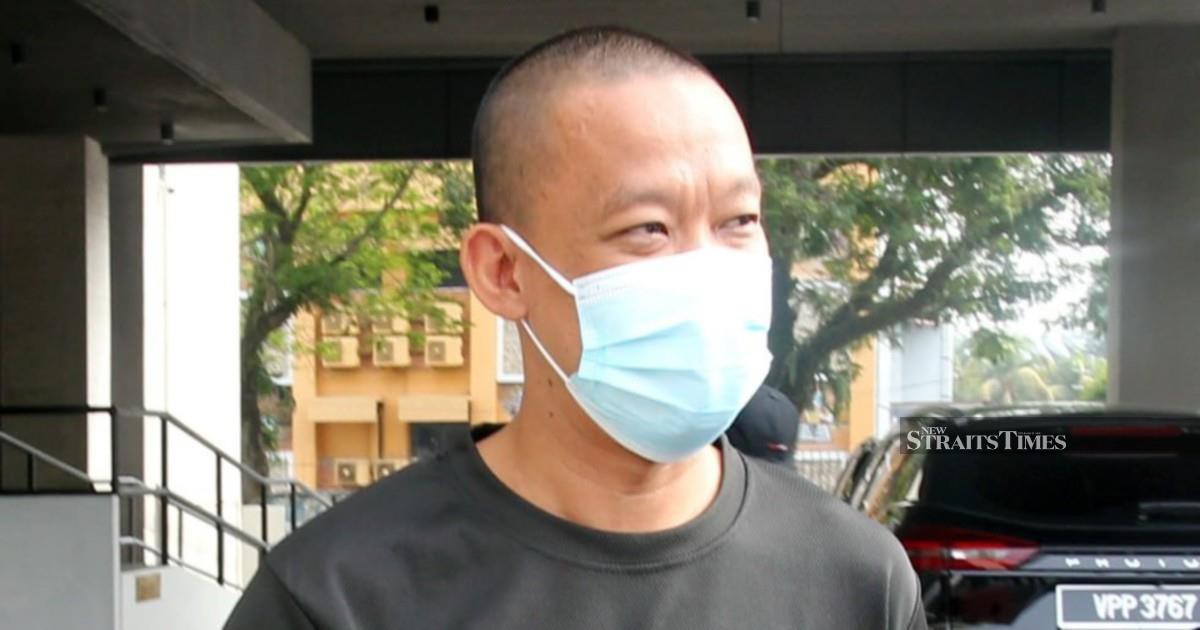
A wireman in Ipoh has walked free from the Sessions Court after being cleared of charges relating to the cultivation of cannabis at his private residence, with the judge determining that the prosecution's case lacked the necessary evidentiary foundation to secure a conviction. The acquittal represents a significant outcome in a drugs-related case that emerged three years prior, highlighting the importance of prosecutorial rigour in narcotics offences where personal liberty hangs in the balance.
The court's decision underscores a fundamental principle of Malaysian criminal procedure: that the burden of proof rests squarely with the prosecution, and the threshold remains appropriately high when individuals face charges that could result in significant custodial sentences. Sessions Courts in Malaysia serve as a crucial tier in the judiciary, handling serious criminal matters, and their decisions in drug-related cases often set important precedents regarding evidentiary standards and the proper handling of investigations in substances offences.
Cannabis cultivation charges are treated with considerable gravity under Malaysian law, where drug-related offences carry severe penalties and carry significant social stigma. The prosecution's inability to establish its case beyond reasonable doubt suggests either deficiencies in the investigative process, inadequate gathering of forensic or circumstantial evidence, or insufficient witness testimony to demonstrate the accused's culpability. Such failures in prosecution are not uncommon in drug cases where establishing direct knowledge of cultivation can prove challenging without concrete proof of involvement or control.
The timing of this case, involving events from three years prior, also raises questions about investigative delays and the accumulation of evidence over extended periods. In Perak, where Ipoh is located, such lengthy procedural timelines are not atypical, and the passage of time can complicate the prosecution's ability to preserve evidence and secure reliable witness testimony. The Sessions Court's decision to acquit suggests that the delay did not work in the government's favour.
For the wider Malaysian community, particularly those concerned about drug enforcement, this outcome demonstrates that courts remain vigilant against weak prosecutorial conduct. While ensuring that actual offenders are brought to justice remains paramount, courts must equally protect innocent parties from wrongful conviction. The acquittal indicates that Ipoh's judicial system functioned according to established principles, even when popular sentiment might favour conviction in drug cases.
The case also reflects broader dynamics within Malaysia's approach to drug enforcement, where a combination of police investigations, laboratory analysis, and witness statements must converge to establish guilt. The failure to do so in this instance suggests that at least one critical element was absent or unconvincing. Whether that involved forensic proof of cultivation, evidence of the accused's knowledge, or demonstration of his control over the location, the judge clearly found the gap insurmountable.
For individuals facing similar charges, this precedent carries practical significance. It reinforces that investigations must be thorough and that prosecution teams must carefully assess the strength of their evidence before proceeding to trial. The acquittal also serves as a reminder that drug-related cases, despite their serious nature, must adhere to the same exacting standards of proof as any other criminal matter in Malaysian courts.
The decision arrives at a time when Malaysia continues to grapple with substance abuse and trafficking challenges, particularly involving synthetic drugs and cannabis, which has seen increased cultivation attempts in residential areas nationwide. Perak has historically been a region where such operations have been discovered, making effective prosecution critical. However, this case demonstrates that pursuing charges without adequate evidence ultimately undermines enforcement efforts by consuming judicial resources and potentially damaging public confidence in the system when convictions cannot be secured.
The wireman's acquittal also touches upon broader questions of how homes are investigated and how privacy rights intersect with law enforcement objectives. Establishing that a person knowingly permitted cultivation within their residence requires more than merely finding a plant on the premises; it demands proof of deliberate facilitation or awareness. The prosecution's failure to establish this distinction has resulted in freedom for the accused and a notable gap in what would otherwise be a drug enforcement record for Ipoh.
Moving forward, this case may prompt police and prosecutorial agencies in Perak to refine their investigative and prosecutorial approaches in similar matters, ensuring that evidence gathering is meticulous and that cases brought before courts meet the necessary threshold of proof. The Sessions Court's decision, while favourable to the defendant, ultimately serves the interests of justice by maintaining the integrity of Malaysia's criminal justice system.

