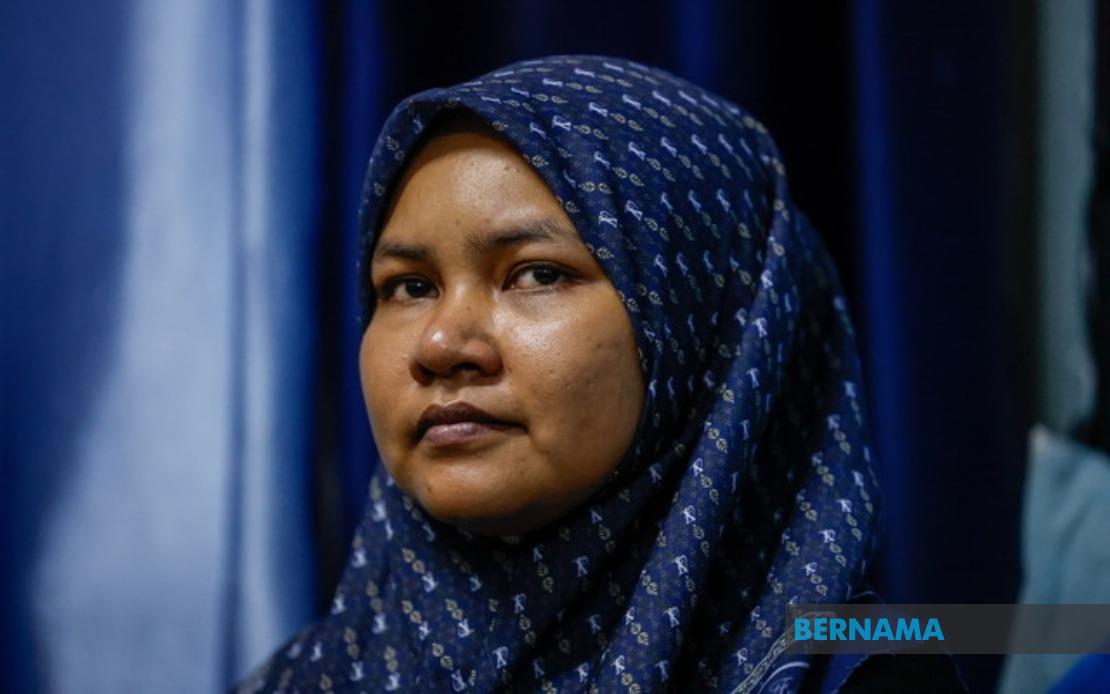
Nearly four months after losing her husband, Nor Nadia Abdul Majid is preparing to pursue a RM1 million civil claim against the driver accused of causing his death. The widow of delivery rider Amirul Hafiz Omar, 33, plans to file the suit in August through her legal team, marking another phase in a case that has already drawn significant attention to road safety and the vulnerabilities facing gig economy workers in Malaysia.
The incident that claimed Amirul's life occurred on Jalan Raya Barat in Klang on March 29. According to authorities, the delivery rider was struck by a vehicle whose driver was believed to be under the influence of drugs at the time. The suspected driver, R. Saktygaanapathy, 28, was subsequently charged with murder under Section 302 of the Penal Code on April 1 at the Klang Magistrate's Court, though he later pleaded not guilty to an amended charge related to drug possession.
Nor Nadia's legal representative, Nur Iffah Hizwani Omar, confirmed that comprehensive preparations for the civil action are underway. A writ of summons and detailed statement of claim have already been drafted on behalf of the widow, but formal filing remains contingent on obtaining the Letter of Administration from the courts. This administrative document is essential in Malaysia's legal system for managing the affairs and assets of a deceased person, particularly when pursuing compensation claims.
The Kuala Lumpur High Court is expected to rule on the Letter of Administration application on July 28, a decision that would clear the path for the next stage of proceedings. Once obtained, the legal team will need to compile comprehensive documentation regarding Amirul's supplementary income from his work with an e-hailing company. These financial records are critical because they directly influence the quantum of damages that can be claimed, ensuring the suit reflects the full economic impact of his death on his family.
The RM1 million figure represents the initial instruction from Nor Nadia to her legal team, though Nur Iffah noted that the final amount in the statement of claim may be adjusted once all income documentation has been reviewed and analyzed. With proceedings expected at the Shah Alam High Court, the civil suit will operate independently from the ongoing criminal case, allowing Nor Nadia to seek financial redress regardless of how the murder charge ultimately concludes.
For Nor Nadia, the past months have brought a gradual reckoning with her new reality. She describes a peculiar psychological progression where the initial weeks felt almost unreal, as though her husband had simply left for another shift. Only after three months did the full weight of her loss crystallize, transforming from a sense of temporary absence into overwhelming and persistent grief. This emotional journey mirrors what many families experience when dealing with sudden, violent deaths—the mind's difficulty in processing trauma gives way to acute awareness over time.
The impact on their children has deepened her sorrow considerably. Amirul maintained a deliberate routine of school transportation, driving them each morning and returning at midday to share lunch together, regardless of weather conditions. That consistency had defined his engagement as a father, demonstrating the sacrifices delivery riders make to balance income generation with family responsibilities. Now Nor Nadia has inherited these duties entirely, adding logistical burden to her emotional burden.
The case has highlighted persistent concerns within Malaysia's gig economy about worker safety and the intersection with drug-related driving incidents. Delivery riders, increasingly central to e-commerce logistics, operate on high-traffic roads often during peak hours, making them vulnerable to reckless drivers. The accusation that Amirul's death resulted from a drug-impaired driver raises questions about enforcement mechanisms for roadside drug testing and the adequacy of penalties for driving under narcotic influence.
The criminal proceedings against Saktygaanapathy remain distinct from the civil action, though outcomes in one may influence perception of the other. The amended charge under the Dangerous Drugs Act focuses on self-administration of THC rather than the original murder charge, which typically requires proving intentional or malicious conduct. Such distinctions carry significant implications for both criminal liability and civil negligence arguments, where different standards of proof apply.
Meanwhile, Nor Nadia's pursuit of the civil claim represents a practical response to lost income and diminished family circumstances. Beyond the immediate financial compensation, the suit serves to formally establish liability and place on record the damages attributable to the incident. For families in the gig economy, where formal employment protections often prove inadequate, such civil claims become essential mechanisms for securing the financial support needed to continue functioning.
The timeline established by the courts—with the August filing target contingent on late July administrative approvals—suggests the civil proceedings may extend through late 2024 and into 2025. The intersection of criminal and civil jurisdictions means Nor Nadia must navigate complex legal terrain while maintaining her role as primary caregiver for her children. Her determination to pursue the claim while managing her grief and family responsibilities underscores the practical challenges widows face when seeking accountability through Malaysia's legal system.

