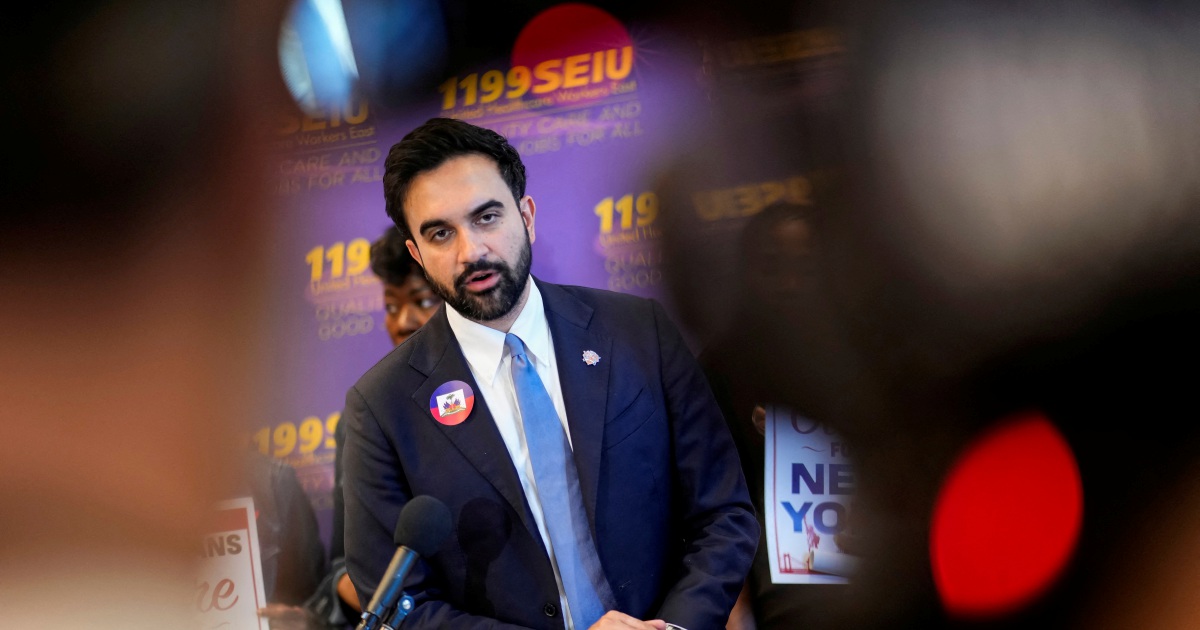
New York Mayor Zohran Mamdani this week publicly acknowledged that he does not possess the legal power to arrest Israeli Prime Minister Benjamin Netanyahu should the Israeli leader travel to New York City, drawing back from comments he had made only days earlier suggesting he might explore such an option.
The reversal highlights the significant gap between municipal authority and the international legal mechanisms that would theoretically govern cases involving alleged war crimes. Mamdani's initial statement, which suggested he might consider arresting Netanyahu, appears to have prompted swift legal analysis from city officials and advisors who determined that a local mayor simply cannot unilaterally detain a foreign leader on such grounds. The distinction between mayoral powers and criminal enforcement authority in New York State and federal jurisdiction is fundamental to understanding why such an arrest would be impossible.
Mamdani's initial position reflected growing pressure from pro-Palestinian activists and segments of the Democratic Party base in New York who view Netanyahu's military campaigns in Gaza as constituting war crimes under international law. These constituents have been increasingly vocal about accountability measures and have called on city leaders to take symbolic and substantive action against Israeli officials they believe bear responsibility for civilian casualties. The mayor's initial willingness to entertain the idea, even rhetorically, demonstrated the political sensitivity of the issue within New York City's diverse population.
However, the legal reality proves far more constraining. War crimes investigations and prosecutions typically fall under the jurisdiction of the International Criminal Court, which operates through formal channels established by international treaty. The ICC, based in The Hague, has its own prosecution mechanisms and court processes. Additionally, nations that are not ICC signatories—including both the United States and Israel—operate under different legal frameworks. The United States federal government would need to authorize any such action, and no federal law grants individual mayors the power to make international arrests or detain foreign leaders.
New York State law similarly provides no mechanism for local authorities to arrest individuals solely on war crimes allegations. Criminal law in the United States distinguishes sharply between federal, state, and municipal jurisdictions. A mayor commands the police force within a city, but that authority extends to enforcing local, state, and applicable federal laws—not international law or allegations outside those frameworks. The police department would have no legal basis to detain Netanyahu without a valid warrant issued by a competent court with proper jurisdiction.
Furthermore, diplomatic considerations introduce another layer of legal complexity. Foreign leaders, particularly those serving as heads of government, enjoy certain immunities when traveling internationally. While these immunities are not absolute, they exist to facilitate international relations and prevent tit-for-tat legal harassment. The United States, as a nation-state, maintains diplomatic protocols that generally protect visiting foreign officials from arbitrary detention or prosecution. A mayor attempting to circumvent these diplomatic protections would almost certainly face federal legal challenges.
The incident reflects a broader challenge facing American cities and progressive elected officials who wish to take moral stands on international human rights issues while remaining bound by domestic law. Many activists and citizens have looked to local government as a vehicle for expressing opposition to Israeli military actions, particularly following the intensification of conflict in Gaza. However, the legal system offers limited avenues for such action through municipal channels, creating frustration among those seeking accountability.
Mamdani's clarification also underscores the distinction between political rhetoric and legal capacity. While mayors can use their platforms to criticize foreign policies, condemn alleged human rights abuses, and mobilize public opinion, actually enforcing criminal consequences requires authority that mayors do not possess. This limitation has been a source of tension in progressive cities where public sentiment may align with such enforcement but legal structures do not permit it.
For Southeast Asian observers, this situation offers instructive lessons about the separation of powers and jurisdictional boundaries that characterize mature legal systems. Malaysia and other regional nations navigating their own international relations and human rights concerns might note how the American federal system prevents individual municipalities from conducting independent foreign policy through law enforcement mechanisms. This structural separation, while frustrating to activists in New York, provides stability and prevents escalation of international disputes through unilateral local action.
The episode also highlights the continued reliance on formal international institutions for addressing allegations of war crimes and crimes against humanity. Until and unless Netanyahu faces investigation through proper international channels—whether the ICC or other recognized mechanisms—local officials in any country lack the legal standing to pursue such cases independently. Mamdani's retreat from his initial position reflects acceptance of these institutional realities, even if critics argue they allow powerful nations and their leaders to evade accountability for alleged violations of international humanitarian law.

