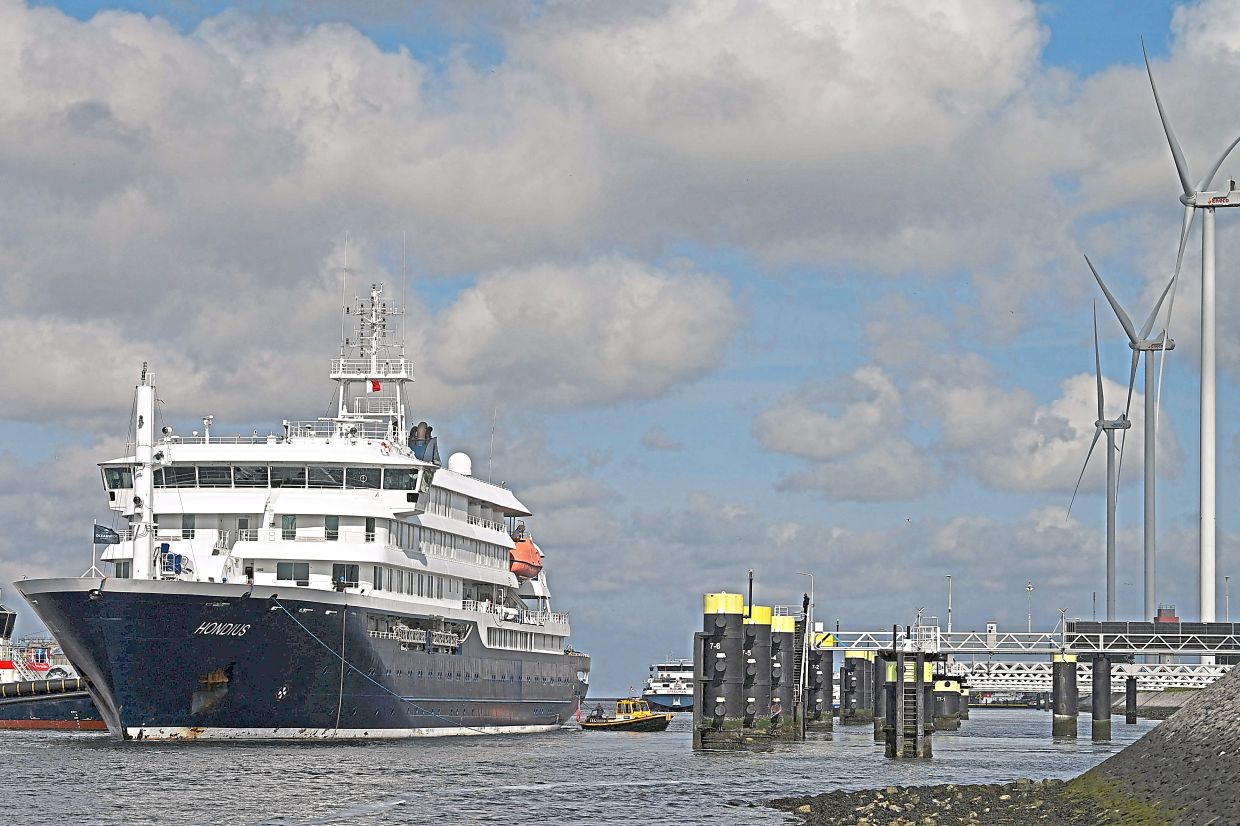
The World Health Organization has formally declared an end to the hantavirus outbreak connected to the MV Hondius, a Dutch-flagged cruise ship that triggered widespread international concern earlier in 2026. WHO Director-General Tedros Adhanom Ghebreyesus confirmed the closure of the outbreak after the final quarantined individual completed their isolation period, tested negative for the virus, and returned home on July 2.
The outbreak, which emerged during the vessel's expedition through remote regions of the South Atlantic, resulted in 12 confirmed cases and one probable case, with three fatalities recorded. The MV Hondius departed from Ushuaia, Argentina on April 1, embarking on a polar exploration route that included stops at isolated islands such as Tristan da Cunha before proceeding northward toward the Canary Islands. The situation escalated when passengers required emergency evacuation in Tenerife, Spain, marking a significant interruption to the voyage and prompting coordinated health responses across multiple nations.
The containment effort proved to be a major undertaking in international disease control. Health authorities across 33 countries and territories worked collaboratively to track and monitor more than 650 individuals who had potential exposure to the virus. This extensive contact-tracing operation underscored the global reach of the outbreak and demonstrated the complexity of managing infectious disease cases when they occur aboard vessels traversing international waters.
While the outbreak itself is now formally concluded, the scientific community recognises that the real investigation into this episode is only beginning. Researchers and public health experts are prioritising understanding the circumstances that allowed the virus to spread, the conditions aboard the ship that may have facilitated transmission, and what preventive measures could be implemented on future voyages. The lessons drawn from this incident will likely shape maritime health protocols going forward, particularly for expedition cruises that visit remote and ecologically sensitive regions.
One of the most significant aspects of the MV Hondius outbreak lies in the characteristics of the virus itself. Hantavirus is a rare pathogen naturally carried by rodents, and for which modern medicine currently possesses no vaccines or established treatment protocols. The particular strain responsible for the cruise ship cases belonged to the Andes species, which holds a notorious distinction within the hantavirus family: it represents the only known variant capable of transmitting directly from person to person, a quality that elevates its epidemiological concern considerably.
The ship underwent comprehensive sanitisation after docking in Rotterdam harbour on May 18, reflecting the precautionary measures deemed necessary to eliminate any residual environmental contamination. This decontamination process, whilst essential, also symbolised the broader disruption caused by an outbreak of a virus that few public health systems are accustomed to managing. The MV Hondius incident therefore highlighted a vulnerability in global preparedness for rare and emerging infectious diseases, particularly those capable of human-to-human transmission.
Looking ahead, the WHO is coordinating an ambitious research initiative involving 21 countries to deepen scientific understanding of how hantavirus infection develops within infected individuals. This multinational study is designed to generate critical knowledge that will support the creation of improved diagnostic tools, therapeutic interventions, and ultimately vaccines for future outbreaks. Such collaborative research efforts are essential given that hantavirus appears sporadically and unpredictably, with limited data currently available about optimal treatment approaches.
The outbreak's conclusion comes with no new cases reported since May 25, indicating that transmission chains were successfully interrupted through the quarantine protocols and contact tracing measures implemented by participating nations. For the cruise industry, particularly operators of expedition vessels visiting isolated and ecologically pristine regions, the incident serves as a reminder of the health risks inherent in polar and remote-area tourism.
For Southeast Asian readers and regional observers, the MV Hondius outbreak carries relevant implications. As the region's maritime tourism sector continues expanding, with increasing numbers of cruises and expedition vessels operating throughout Asia-Pacific waters, the potential for similar outbreaks involving zoonotic diseases—those naturally occurring in animal populations—remains a genuine concern. The coordination demonstrated during this incident illustrates how regional health systems must maintain robust surveillance capabilities and establish clear protocols for managing infectious disease events aboard vessels within their jurisdictions.
The formal conclusion of the outbreak represents a success for international disease containment efforts and a validation of the contact-tracing and quarantine strategies employed. However, the incident underscores ongoing gaps in preparation for emerging infectious diseases, particularly those with person-to-person transmission capabilities and no existing medical countermeasures. The research endeavours now underway aim to transform this crisis into scientific advancement, ensuring that future encounters with hantavirus and similar pathogens will be met with better diagnostic and therapeutic tools.

