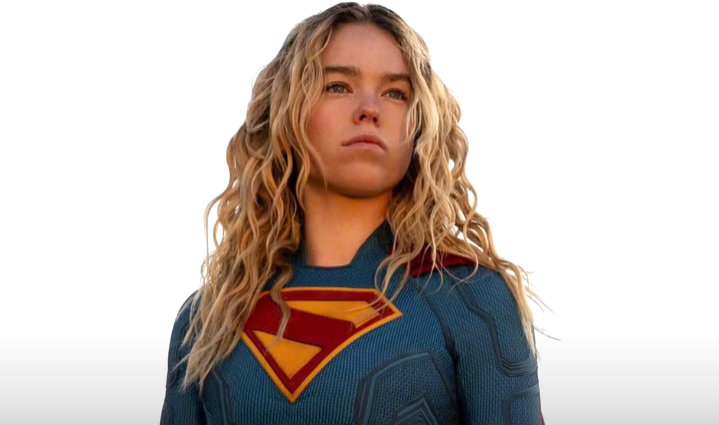
Superman's caped cousin has crashed at the Korean box office, extending what is shaping up to be a spectacular global failure for Warner Bros. The film entered local cinemas with minimal fanfare, debuting at second place with just 34,939 admissions on its opening day before steadily sinking through the rankings. Within days it had collapsed to fourth place as daily attendance plummeted to around 14,000 viewers, then tumbled to fifth by the third day. As of Tuesday, the picture had managed only 124,204 tickets sold in South Korea—a dismal tally that exposes the depth of audience resistance to the superhero tentpole.
The Korean market provides a particularly stark illustration of a phenomenon unfolding worldwide. This represents far more than a regional disappointment; it signals a fundamental shift in how audiences across Asia's most sophisticated markets now view the superhero genre. Warner Bros sank $170 million into production and approximately $120 million into marketing, yet industry analysts project the studio faces losses ranging from $85 million to $125 million by the end of the theatrical run. For a major Hollywood studio, these are losses of catastrophic proportions that will reverberate through boardrooms and investor relations departments.
The film's critical reception has been uniformly disappointing across all territories. It currently sits at 54 per cent on Rotten Tomatoes, while audiences awarded it a B-minus on CinemaScore—respectable ratings in isolation but disappointing for a flagship superhero title backed by one of Hollywood's most famous intellectual properties. Korean audiences proved equally unforgiving, granting the film a mediocre 2.7 out of 5 on the local review aggregator Watcha. The consensus among critics and viewers has been remarkably consistent: the story relies on a thin, formulaic revenge narrative that fails to engage audiences or justify the film's massive budget.
The collapse reflects a broader deterioration in superhero genre appeal that has gripped global audiences. Before the pandemic, superhero films represented perhaps the most reliable financial instrument the film industry possessed. Marvel Studios had constructed an almost unbroken string of blockbusters, creating an entertainment juggernaut that seemed immune to market fluctuations. South Korea represented one of Marvel's most devoted territories, a market where the studio's interconnected universe model found enthusiastic audiences willing to track complex multi-film narratives across years of releases.
DC Comics, by contrast, never managed to cultivate comparable audience loyalty in Korea. Even during the height of the superhero boom, the studio's DC Extended Universe struggled to match Marvel's box office performance. The gap has only widened as audiences have grown weary. The previous DC Superman reboot in 2013 performed better than this year's Supergirl, a backward step that underscores the genre's accelerating decline. The film will likely finish its Korean run around 864,238 admissions, falling short of the million-admissions threshold that represents a meaningful success for international releases in the territory.
Post-pandemic audience fatigue has dealt an unforgiving blow to the superhero genre across all markets. Years of mediocre sequels, spin-offs, and derivative stories wore down even the most dedicated fans. This creative exhaustion manifested globally, but South Korea experienced the impact with particular severity. The country's theatrical attendance never fully rebounded to pre-pandemic levels, suggesting that when audiences returned to cinemas, they proved far more selective about which films merited their money and time. The superhero fatigue that had built up during lockdowns simply intensified once cinemas reopened.
DC's structural disadvantages in the Asian marketplace have become increasingly apparent. Unlike Marvel, which constructed fan loyalty through consistent quality and narrative coherence, DC lacks that deep institutional goodwill. Beyond the Asian context, DC's characters—even Superman—command less recognition and affection in Korea than they do in the United States. This geographical divide in character recognition creates a particularly steep hill to climb in unfamiliar markets. Without the foundation of audience affection that Marvel's years of success had built, DC films arrive in territories like Korea without significant tailwinds, forced to succeed almost entirely on their individual creative merits.
The implications extend well beyond this single film's performance. The superhero genre's vulnerability has become impossible to ignore. What once seemed like a guaranteed formula—massive budgets, established intellectual property, proven visual spectacle—has revealed itself as fragile. The audience appetite that seemed insatiable through the 2010s and early 2020s has evaporated with startling speed. For studios betting heavily on superhero franchises, particularly in Asian markets where cost-of-entry is increasingly difficult to justify, the Korean experience offers a cautionary tale about relying on a single genre to drive revenue.
The true test of whether this represents a broader genre crisis or merely problems with specific films will arrive later this year as other major releases debut. When additional heavyweight superhero films reach screens across Asia and globally, the industry will finally receive more definitive answers about audience appetite. If similar patterns emerge, studios may be forced to fundamentally rethink their strategic reliance on the superhero formula. The Korean market's swift rejection of Supergirl suggests audiences have begun voting with their feet, preferring different stories, different genres, and different characters to inhabit their cinema experiences. Warner Bros' $290 million lesson will likely prove instructive for an industry struggling to adapt to shifting audience tastes.

