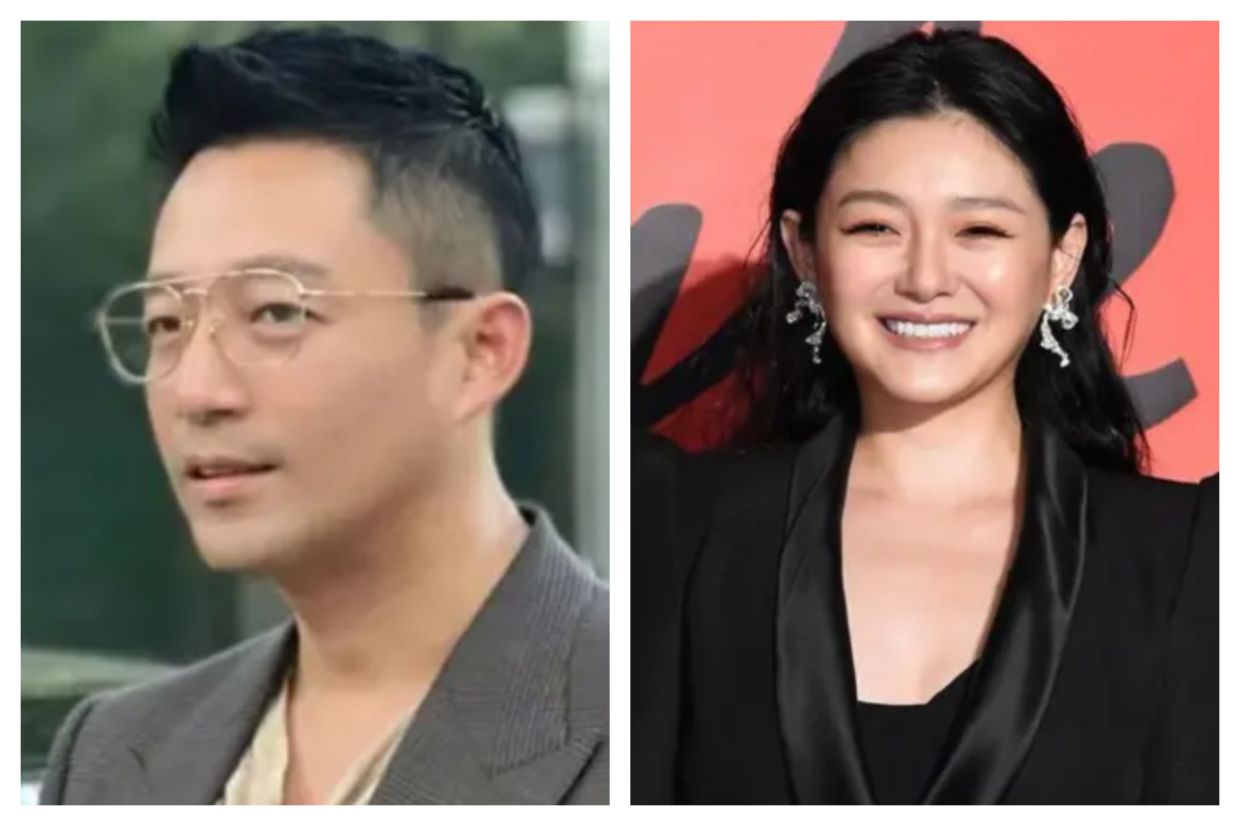
Wang Xiaofei, a Chinese entrepreneur and ex-husband of late Taiwanese actress Barbie Hsu, has stepped forward to dispel widespread rumours surrounding her inheritance and family arrangements. Through his representative, Wang addressed mounting speculation about how Hsu's substantial estate will be distributed among her heirs, clarifying his position on matters that have dominated Asian entertainment media coverage since her death from pneumonia in 2025.
The inheritance of Hsu, who maintained a prominent career spanning film, television and music across multiple Asian markets, has become the subject of intense public scrutiny and conflicting reports. Wang's statement, issued in early July following reports from Taiwan-based media outlets, sought to establish clarity on several contentious issues that had fuelled concern among fans and the broader public about the fate of her assets and the wellbeing of her dependents.
Wang and Hsu shared an eleven-year marriage before their separation and divorce in 2021, during which they had two children together. The relationship between the two former spouses appears to have remained civil enough for Wang to take proactive steps to protect his children's interests following Hsu's death. According to his representative's clarification, two-thirds of Hsu's total estate has been designated for their two minor children and is being managed through formal trust arrangements, ensuring their financial security during their formative years.
The remaining third of Hsu's inheritance rightfully belongs to her second husband, Korean singer and music producer Koo Jun-yup, professionally known as DJ Koo. Wang's representative made a significant statement by affirming Wang's respect for Koo's legal entitlement to this share of the estate, demonstrating a notable degree of grace and acceptance regarding the inheritance distribution. This stance suggests that despite the complexities of blended family dynamics in high-profile estates, the parties involved are attempting to navigate the situation with measured pragmatism.
Hsu and Koo had reconnected after sharing a romantic relationship that first developed in 1998, eventually leading to marriage following her divorce from Wang. The couple's rekindled romance and subsequent union represents one of the more intriguing relationship arcs in Asian celebrity circles, though their time together was curtailed by Hsu's unexpected illness and premature death.
One of the most contentious rumours circulating about Hsu's estate involved claims that her property was being subjected to auction proceedings due to accumulated mortgage debt. Adding to this narrative were reports suggesting that Hsu's elderly mother faced the prospect of losing her residence and being forced to vacate the family home. These claims caused considerable distress to the family and generated significant negative media attention that threatened to overshadow the grieving process.
Wang's representative firmly rejected these allegations, providing specific detail about the ongoing financial arrangements regarding the family property. The statement clarified that Wang has personally maintained mortgage payments on the property since Hsu's death, with these obligations now transferred to the children as part of their inherited assets. This action demonstrates Wang's continued financial commitment to securing his children's inheritance and maintaining family stability during a sensitive period.
Furthermore, Wang's representative categorically denied suggestions that Hsu's mother had been pressured to leave the residence or faced any threat of eviction. The statement affirmed that Wang had never requested Hsu's mother to vacate the property and that she remains welcome to continue residing there, providing reassurance about the living situation of an elderly family member who has been part of the extended household.
Taiwan-based media organisations have estimated Hsu's total estate to be valued at approximately 600 million yuan, equivalent to roughly 361 million Malaysian ringgit. This substantial asset base comprises multiple components, including a property unit associated with Taiwan's National Museum of Fine Arts, a penthouse residence, and financial assets that Hsu received as part of her divorce settlement agreement with Wang. The complexity and value of these holdings underscores why clear communication and legal oversight have become essential to prevent further misunderstanding.
The entire inheritance process is currently proceeding under the supervision of a court-appointed legal representative, ensuring that all distributions comply with applicable law and that the interests of minors are properly protected. This formal oversight mechanism provides an additional layer of assurance that the estate will be managed transparently and in accordance with established legal frameworks governing inheritance in Taiwan.
Wang's decision to publicly address these matters through an official statement represents an effort to restore clarity and calm to a situation that had become unnecessarily turbulent due to unverified claims and speculation. The representative explicitly appealed to media outlets to cease publishing unsubstantiated rumours, which have caused demonstrable distress to the grieving family members attempting to process their loss while managing complex financial and legal arrangements.
For Malaysian observers following this high-profile case, the situation illustrates broader challenges that arise when substantial assets, international relationships, and minor children intersect within the context of cross-border family law. The transparent approach adopted by Wang in publicly defending both his actions and the rights of other parties involved offers a constructive model for how complex inheritance matters can be managed with dignity and respect for all stakeholders, even when personal relationships have been complicated by divorce and remarriage.

