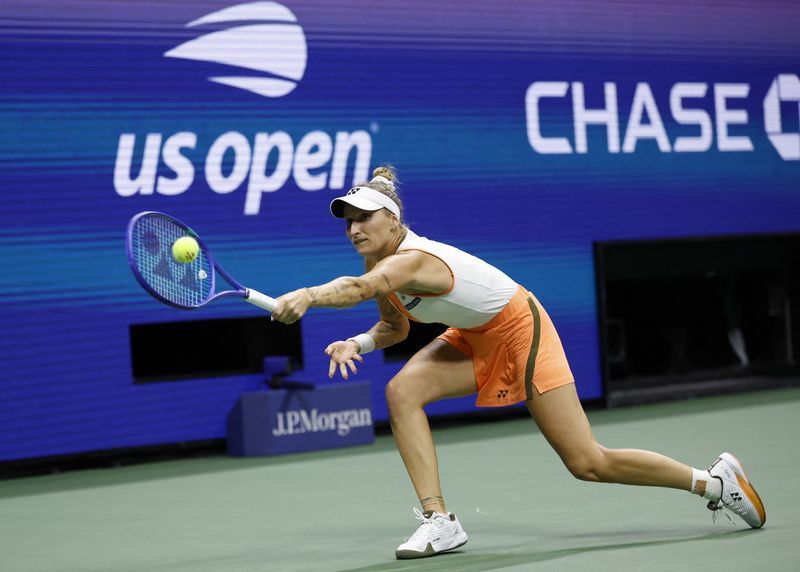
Former Wimbledon champion Marketa Vondrousova has escalated her fight against a four-year suspension by appealing to the Court of Arbitration for Sport, the highest judicial authority in athletics. The Czech player contests the ban handed down in June by the International Tennis Integrity Agency over her refusal to provide a sample during an out-of-competition doping control at her residence in December.
The 27-year-old's case centers on an incident that has become increasingly contentious within professional tennis regarding the balance between anti-doping protocols and athlete privacy. An official arrived at Vondrousova's home at 8:15 p.m. and requested an immediate sample as part of the sport's unannounced testing regime. The player declined to comply with the demand, leading authorities to classify the non-compliance as a test refusal rather than an inconclusive result.
Vondrousova's decision to challenge the ruling reflects growing tension within tennis around how and when testing officers can demand access to athletes' private spaces. She has publicly stated that the timing and manner of the officer's arrival constituted a serious violation of her personal boundaries. In statements released in April, she described having "reached a breaking point after months of physical and mental stress," suggesting the incident triggered a crisis that affected her ability to compete at elite levels.
Crucially for her defense, a voluntary test conducted just three days after the December 3 incident returned a negative result, supporting her assertions that she has never used prohibited substances. This clean sample provides evidentiary support for her position that the incident reflects a dispute over procedural conduct rather than an attempt to conceal doping. The distinction matters significantly in how CAS evaluates such cases, as courts have increasingly scrutinized whether non-compliance stems from genuine wrongdoing or procedural disagreement.
The Court of Arbitration for Sport confirmed receipt of Vondrousova's appeal on Tuesday but indicated that hearing arrangements remain pending. No date has been scheduled for oral arguments, meaning a resolution could take several months or longer. The suspension period extends until June 21, 2030, when Vondrousova will reach her thirtieth birthday—effectively removing her from professional competition during what should be her peak earning years and most accomplished period in tennis.
Vondrousova's absence from competition already reflects the ban's severity. She has not played professionally since withdrawing from the Adelaide International in January, citing a shoulder injury that coincided with the onset of her suspension proceedings. Her world ranking has collapsed from number six to 153, demonstrating how rapidly elite players lose competitive positioning during extended absences. In the hypercompetitive landscape of professional tennis, such rankings deterioration makes returning to championship-level play exponentially more difficult, even after a ban concludes.
The player's prior achievements underscore what her career has lost during this dispute. She captured the 2023 Wimbledon title at the zenith of her career, proved herself capable of contending at Grand Slam level with a 2019 French Open final appearance, and earned an Olympic silver medal at Tokyo 2021. These accomplishments established her among the elite class of female players globally, making the dramatic hiatus particularly consequential for both her earning potential and legacy.
This case carries implications beyond Vondrousova's individual circumstances. It represents a significant test of how CAS applies anti-doping jurisprudence when athletes invoke privacy concerns against unannounced testing protocols. The Court's decision will influence how strictly tennis enforces out-of-competition testing procedures and whether athletes retain grounds to challenge the timing, manner, or circumstances of officer access to private residences. Jurisdictions across Southeast Asia and beyond monitor such rulings, as they establish precedent for how their own sports systems approach similar disputes.
The appeal also highlights ongoing debates within international tennis about the proportionality of sanctions for procedural violations versus actual doping offenses. While missing a test carries severe penalties justified by the theory that non-compliance implies guilt, critics argue that four-year bans for single missed tests may exceed what serves sport's anti-doping mission. Vondrousova's legal team will likely emphasize mitigating factors—her negative subsequent test, the circumstances of the officer's visit, and her mental state—to argue for reduced sanctions or procedural remedies.
For Malaysian and Southeast Asian tennis communities, this case underscores the complexity athletes face navigating international anti-doping regimes. Young players aspiring to reach Vondrousova's level must understand not only training and competitive demands but also the rigid testing frameworks and potential disputes they may encounter. The outcome could shape how regional federations educate emerging talent about testing procedures and rights.

