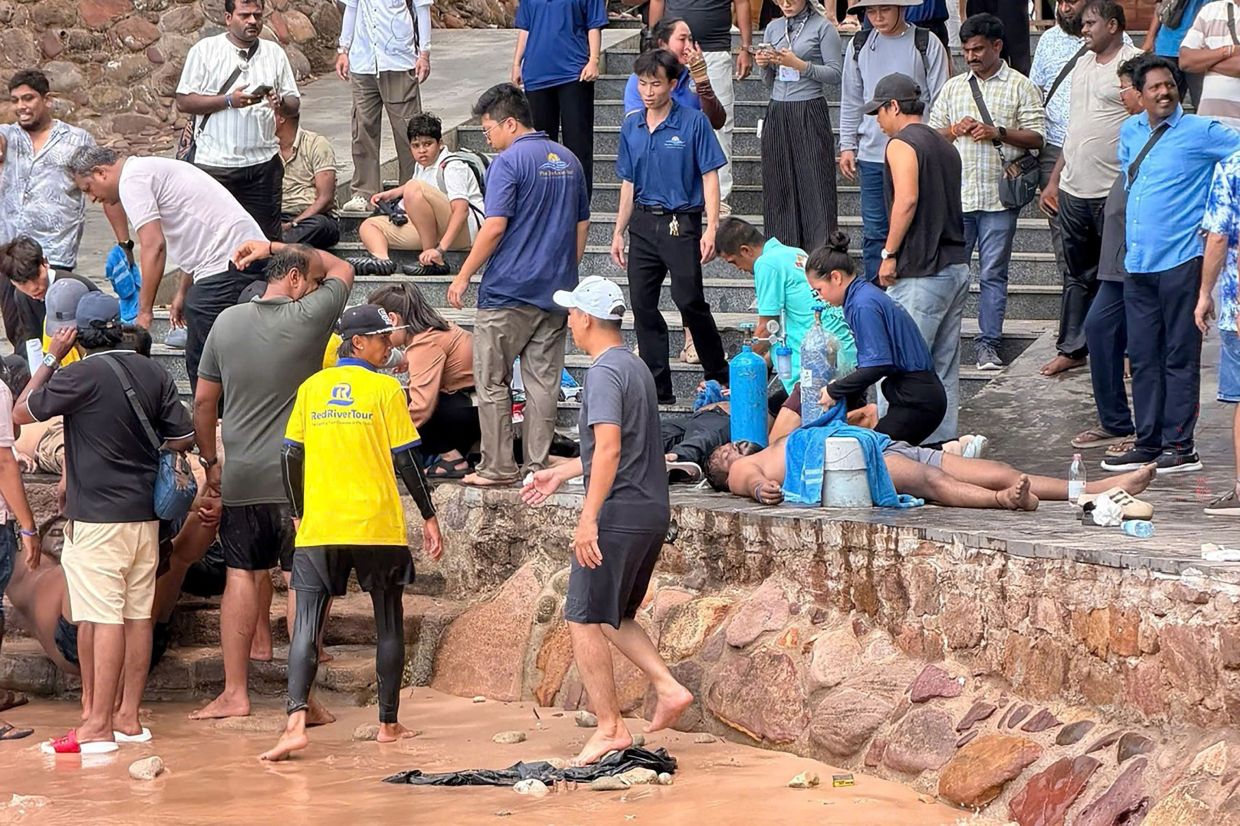
Vietnam's government has launched a comprehensive investigation into a catastrophic maritime incident near Phu Quoc Island that claimed the lives of 15 Indian tourists in mid-July. Following the capsizing of a speedboat carrying holidaymakers and crew, Prime Minister issued an official directive instructing multiple state agencies to take immediate action on multiple fronts, from emergency medical response to legal accountability for any violations that may have contributed to the disaster.
The speedboat was operating in waters near Hon May Rut Ngoai within the Phu Quoc Special Zone when it capsized, carrying 32 Indian tourists along with four local crew members and guides. Among those aboard, 15 tourists—comprising 13 men and two women—perished in the incident, while 21 people, including some of the crew, were successfully rescued and brought to port. The tragedy represents a significant loss of life and raises urgent questions about maritime safety protocols in one of Vietnam's most popular tourist destinations.
In response, the Prime Minister's directive prioritized immediate humanitarian concerns by instructing all relevant ministries and local authorities to deploy medical resources and pharmaceutical supplies to treat the injured survivors. This emergency medical mobilisation was framed explicitly as essential to minimizing further casualties and protecting property. The government also extended formal condolences to the families of the deceased through official diplomatic channels, acknowledging the profound loss experienced by those bereaved in India.
An Giang Province, the administrative region responsible for Phu Quoc Island, has been designated to lead the investigation into the accident's root causes. Local authorities have been tasked with identifying any systemic failures, operational shortcomings, or safety breaches that may have contributed to the capsizing. This provincial-level leadership reflects Vietnam's administrative structure, which delegates responsibility for crisis response to regional governments while maintaining central oversight through the Prime Minister's office.
The Ministry of Public Security received a separate directive to conduct a formal investigation and determine criminal or administrative liability for any parties found to have violated regulations. The emphasis on strict enforcement against violators—whether organizations or individuals—suggests the government recognises that negligence, inadequate safety procedures, or failure to comply with maritime regulations may have played a role. This investigative approach signals Vietnam's commitment to accountability, particularly in cases involving foreign nationals and potential breaches of international safety standards.
Beyond the immediate incident, the Ministry of Construction was instructed to undertake a broader safety audit of maritime and inland waterway traffic regulations specifically in the Phu Quoc area and in other locations with similar geographical and operational characteristics. This preventative measure reflects concern that systemic deficiencies in safety oversight or infrastructure may extend beyond this single accident, and that comparable risks could threaten other tourist operations throughout Vietnamese waters. Such a comprehensive review could reshape maritime safety standards across the country's tourism sector.
The diplomatic dimension of the tragedy received equal attention through directives to the Ministry of Foreign Affairs. The ministry was tasked with establishing close coordination with the Indian Embassy in Vietnam to manage consular affairs, protect the interests of affected Indian citizens, and handle the complex administrative matters arising from the deaths and injuries. The Indian Embassy itself responded swiftly by releasing an official list of the 32 citizens who were aboard and establishing two emergency contact points in Ho Chi Minh City and Hanoi to support grieving families and injured survivors.
This incident carries particular significance for Vietnam's tourism industry, which has experienced substantial growth in recent years and increasingly attracts international visitors from South Asia. India represents a growing source market for Vietnamese tourism, and such tragedies can damage confidence in the country's safety standards among potential visitors and travel operators. The government's visible and coordinated response through multiple ministries appears designed partly to demonstrate its commitment to investigating thoroughly and preventing recurrence, thereby protecting Vietnam's reputation as a safe tourist destination in the region.
For Southeast Asia more broadly, the incident underscores broader questions about maritime safety regulation and enforcement in tourist hotspots. Many countries in the region rely heavily on coastal and water-based tourism, yet standards for boat operations, crew training, safety equipment, and passenger capacity management can vary significantly. The investigation into Phu Quoc may reveal lessons applicable across the region, particularly regarding how nations balance tourism revenue generation with rigorous safety compliance.
The tragedy also highlights the vulnerability of international tourists in cross-border incidents. When foreigners are involved in accidents abroad, multiple government agencies must coordinate effectively across language barriers and administrative systems. Vietnam's systematic dispatch of responsibilities across different ministries—security, construction, foreign affairs, and local government—demonstrates an understanding that comprehensive crisis response requires institutional coordination rather than ad-hoc responses.
As investigations unfold, the findings will likely inform policy discussions within Vietnam about maritime safety standards, enforcement mechanisms, and the balance between tourism development and public safety. The incident may accelerate implementation of stricter regulations on boat operations, crew certification, passenger safety briefings, and weather monitoring protocols. Such measures could become benchmarks for other Southeast Asian nations grappling with similar pressures to accommodate growing tourism while ensuring traveller safety.

