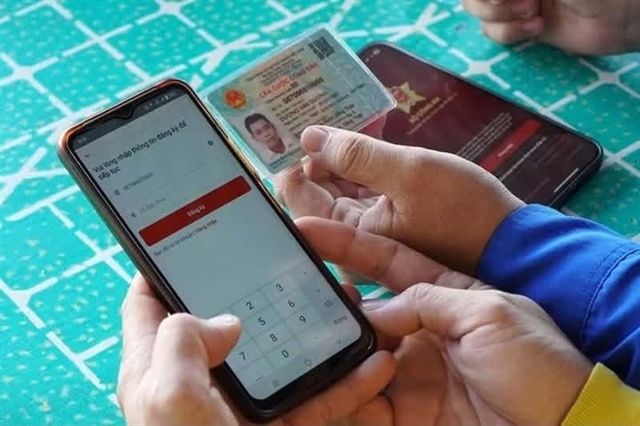
Vietnam has taken a significant step toward modernising its digital identity infrastructure by extending electronic identification account access to foreign nationals who lawfully reside or enter the country, according to a newly issued government decree announced through the Vietnam News Agency. The policy shift signals Hanoi's broader commitment to digital governance and reflects growing recognition of the need for streamlined identification systems in an increasingly mobile, globalised world. For Southeast Asia's regulatory environment, this development carries broader implications for how nations manage identity verification and cross-border mobility.
The decree represents a departure from previous frameworks that typically limited electronic identification to Vietnamese citizens. By opening e-ID accounts to foreign nationals, Vietnam joins a growing cohort of Asian nations modernising their approach to resident documentation. The expansion acknowledges the practical reality of Vietnam's substantial expatriate population, including business professionals, diplomats, foreign workers, and long-term residents who previously faced friction when accessing digital services. The move is particularly relevant given the region's accelerating digitalisation and the increasing integration of Southeast Asian economies through various trade and mobility arrangements.
The framework establishes tiered access levels for electronic identification, with eligibility structured according to citizenship status and age. Vietnamese citizens aged six and above who possess valid citizen identity cards or identity documents can obtain either Level 1 or Level 2 electronic identification accounts upon request, while younger children with valid identity documentation can access Level 1 accounts. This age-based differentiation reflects considerations around digital maturity and parental consent, though the specific functional differences between access levels remain administratively determined. Foreign nationals meeting lawful residency criteria gain equivalent eligibility across these tiers, though implementation details regarding verification procedures and residency documentation requirements have not been extensively detailed in the announcement.
A particularly consequential element of the decree addresses the longstanding administrative burden of repetitive documentation submission. The amended Clause 4, Article 4 establishes a principle prohibiting agencies from requiring citizens or organisations to resubmit documents already integrated into government systems. This provision tackles a persistent frustration in Southeast Asian bureaucracies, where citizens often encounter requests for identical documentation from different agencies despite centralised record systems. By mandating data recognition across institutional boundaries, Vietnam aims to reduce friction in accessing government and private services, potentially accelerating broader digital adoption.
The decree substantially expands the universe of documentable information through a comprehensive integration framework. For individuals, the decree recognises 66 document categories including birth certificates, residence attestations, travel documents, vehicle registrations, driving licences, and investment permits. This breadth enables Vietnamese residents to conduct substantial portions of their legal and administrative affairs through digital channels without maintaining physical copies. The inclusion of passports and visa information proves particularly significant for foreign residents, as digital verification of immigration status addresses a major operational challenge for employers and service providers.
Organisational documentation receives equally extensive treatment under the new framework. Eligible agencies and organisations operating in Vietnam can now integrate 140 document categories spanning seal registration certificates, business licences, tax identification certificates, and trade permits. This volumetric expansion fundamentally restructures how Vietnamese institutions manage compliance and operational documentation. Enterprises can theoretically conduct substantial regulatory interactions through digital channels, reducing administrative overhead and enabling more efficient governance verification. The framework potentially streamlines processes for foreign-invested enterprises navigating Vietnam's regulatory environment.
The timing of implementation deserves careful consideration within Vietnam's broader digital transformation narrative. The decree's effective date of September 28, 2026, allows Vietnam's administrative apparatus approximately 18 months for system preparation and stakeholder coordination. This implementation window reflects realistic assessment of the technical and organisational requirements for integrating 206 discrete document categories across disparate government agencies. For foreign businesses and residents, the timeline provides opportunity to understand technical requirements and align operational procedures before mandatory transition periods commence.
The policy carries particular resonance for Malaysia and other ASEAN member states engaged in labour mobility and business integration. Vietnam's expansion of digital identity access to foreign residents creates precedent-setting implications for intra-regional mobility standards. As Southeast Asian nations increasingly coordinate on digital governance through frameworks like the ASEAN Digital Masterplan, Vietnam's approach offers a model for balancing security concerns with facilitating cross-border movement. Malaysian expatriates and businesses operating in Vietnam will gain access to digitised administrative processes, reducing friction in managing tax compliance, business licences, and residential documentation.
Implementation challenges inevitably accompany such expansive digital integration initiatives. Vietnamese government agencies must establish robust cybersecurity protocols protecting 206 document categories across institutional boundaries, particularly concerning sensitive information like immigration status and business registration details. The authentication mechanisms distinguishing between Level 1 and Level 2 access must function reliably across diverse user populations with varying digital literacy. For foreign residents unfamiliar with Vietnamese administrative systems, clear multilingual guidance will prove essential for ensuring equitable access rather than creating additional barriers for non-Vietnamese speakers.
The decree also reflects Vietnam's positioning within broader regional and global digital governance trends. Nations from Singapore to South Korea have pioneered integrated digital identity ecosystems; Vietnam's expansion demonstrates competitive awareness of international best practices. The framework simultaneously serves economic development objectives by reducing transaction costs for businesses while enhancing governmental efficiency. Foreign investors considering Vietnam as a regional headquarters benefit from simplified administrative procedures, potentially influencing location decisions in competitive Southeast Asian markets where regulatory friction remains a differentiation factor.
Stakeholder coordination remains critical for successful implementation. Vietnamese government agencies must establish interoperability standards enabling seamless data verification across domains. Private sector organisations providing financial, telecommunications, and employment services require clear guidance on authentication procedures and liability frameworks when relying on digitised documentation. Foreign residents and expatriate communities need accessible communication about eligibility requirements, account creation procedures, and practical applications of electronic identification within Vietnam's business and administrative contexts.
The decree's implications extend beyond Vietnam's borders to influence regional regulatory conversations. As ASEAN members pursue divergent digital governance strategies, Vietnam's comprehensive approach demonstrates that substantial institutional integration remains achievable despite Southeast Asia's regulatory heterogeneity. The framework suggests possibilities for eventual reciprocal arrangements among member states, enabling citizens to leverage digital identities for intra-regional mobility and commercial activities. For Malaysian policymakers monitoring regulatory developments that might inform domestic digital identity initiatives, Vietnam's experience offers instructive lessons regarding sequenced implementation, stakeholder management, and balancing accessibility with security.
Ultimately, Vietnam's expansion of electronic identification access represents a calibrated modernisation effort acknowledging contemporary realities of transnational residence and global business integration. The September 2026 implementation timeline provides a crucial period for assessing technical feasibility and refining implementation procedures. Success in this domain could accelerate Vietnam's digital governance trajectory while establishing reference points for other Southeast Asian nations contemplating comparable systemic reforms.

