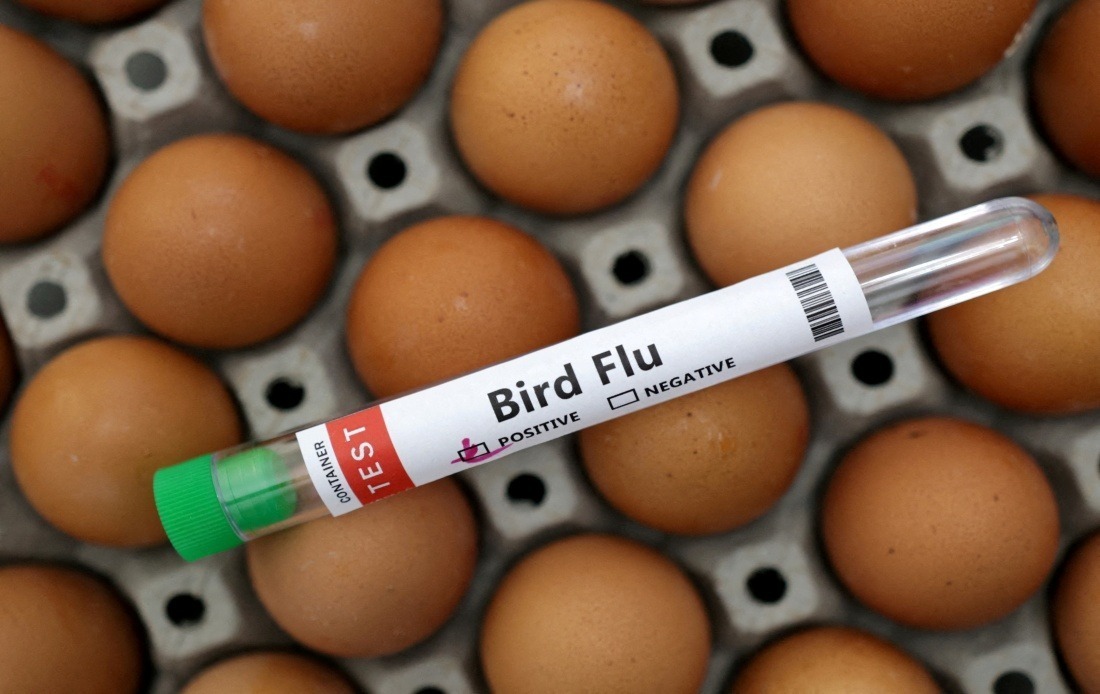
Victoria has become the first Australian state to impose a mandatory indoor housing requirement for poultry producers, marking an escalation in the country's response to the spreading H5N1 avian influenza outbreak. The directive, which upgrades a previous voluntary scheme, compels anyone maintaining flocks exceeding 50 birds to confine their animals indoors for an initial fortnight as the virus continues to proliferate across the state's regions.
Agriculture Minister Michaela Settle framed the intervention as a forward-thinking protective action, designed to create physical barriers that prevent domesticated birds from interacting with wild fauna that may be carrying the pathogen. The measure reflects growing alarm among authorities about the virus's geographic expansion, moving into previously unaffected zones and necessitating stronger containment strategies.
Victoria's Chief Veterinary Officer Graeme Cook cited recent positive detections in multiple localities—Yambuk, Apollo Bay, and Clyde—as justification for the tightened protocols. These fresh cases demonstrate that the outbreak is not geographically isolated but rather advancing into new territories, prompting veterinary officials to shift from monitoring to active prevention.
Australian Chief Veterinary Officer Beth Cookson confirmed that testing had identified an additional 20 positive cases within Victoria during the reporting period, all detected among greater crested terns found in the Portland and Nelson area. This wildlife concentration suggests natural avian populations are becoming significant carriers, raising theoretical pathways through which the virus could eventually reach commercial poultry operations despite the current absence of cases in farming systems.
Nationally, Australia has now documented 175 confirmed or likely H5 influenza detections drawn from tested samples across the country. Despite this substantial tally, authorities maintain that commercial agricultural poultry remains unaffected and that the domestic food production system has not experienced any infections. This distinction is crucial for consumer confidence and market stability, particularly in a region where agribusiness represents significant economic output.
Officials have consistently emphasized that the threat to human populations remains extremely limited. This messaging aims to prevent public panic while still justifying the regulatory interventions being implemented. The precautionary principle appears to be guiding policy decisions—acting decisively against potential risks before they materialize into confirmed agricultural crises.
The outbreak's ripple effects extend beyond farming regulations into cultural and entertainment sectors. South Australia's Royal Adelaide Show has cancelled all scheduled bird and poultry exhibitions for the upcoming month, reflecting how biosecurity concerns can disrupt community events and agricultural showcase opportunities. Such cancellations carry economic implications for exhibitors and event organizers who had planned participation.
For Malaysia and neighbouring Southeast Asian nations, Victoria's experience carries lessons about preparedness and cross-border disease transmission. Avian influenza variants do not respect international boundaries, and surveillance systems in the region must remain vigilant for similar outbreaks. The Australian response demonstrates how rapidly authorities can scale up restrictions when disease pressure intensifies, a model that regional health and agricultural agencies may study.
The Victoria directive also illustrates a broader tension in modern biosecurity governance: balancing rapid protective action against business disruption and regulatory burden. Producers maintaining marginal commercial operations or hobbyist flocks suddenly face compliance obligations that impose real costs. Yet allowing potential vectors to roam freely risks catastrophic losses if the virus breaches agricultural systems.
Looking ahead, the question remains whether the 14-day confinement will prove sufficient or whether extensions will become necessary if detections continue climbing. The temporary framing suggests authorities hope the measure, combined with ongoing surveillance and culling of infected wildlife populations, will contain the outbreak. Should cases persist or intensify, more draconian measures including regional quarantines or culling programs could follow.
The absence of any human cases to date, combined with authorities' repeated assertions about minimal human risk, suggests H5N1's characteristics remain consistent with previous strains that primarily threaten avian and certain mammalian populations. However, vigilance remains essential, as respiratory viruses have demonstrated surprising capacity for adaptation and transmission route evolution in recent years.

