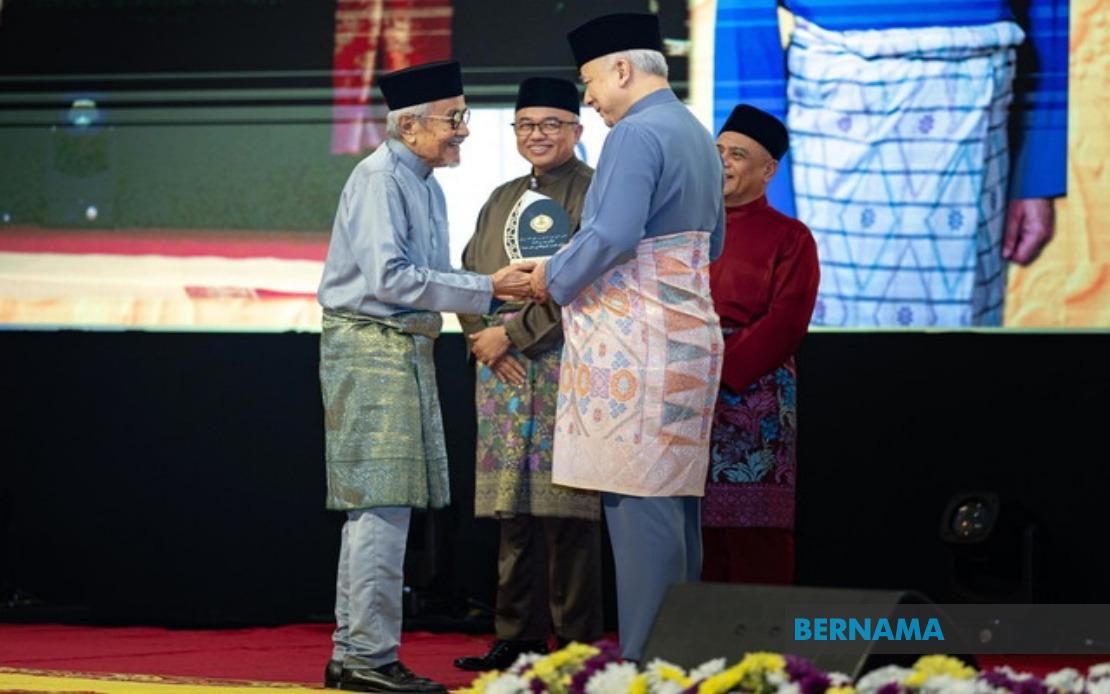
Ipoh witnessed recognition of one of Malaysian cinema's enduring figures when Datuk Rahim Razali was conferred the 'Tokoh Zaid Bin Thabit' Media and Communications Practitioner Icon Award during the Perak state-level Maulidur Rasul celebration on August 25. The honour, presented by Sultan of Perak Sultan Nazrin Shah, acknowledges the 87-year-old filmmaker's transformative influence on the nation's film and broadcast industries spanning more than five decades.
Abdul Rahim Mohd Razali, a native of Batu Gajah in Perak, represents a generation of Malaysian cultural pioneers who shaped the country's creative landscape during critical formative years. His journey through entertainment and media provides insight into how Malaysian cinema developed from its early stages, reflecting the broader transformation of the nation's cultural output and international standing in the arts. Recipients of such ceremonial recognitions typically embody values of sustained excellence and cultural stewardship that state governments seek to celebrate and preserve for younger generations.
Razali's career trajectory demonstrates the interconnection between broadcasting infrastructure development and cinema growth in Malaysia. Before establishing Angkatan Seniman Abad XX Sdn Bhd in 1981, he served as a broadcasting assistant at RTM, the national television network that functioned as the primary training ground and production platform for Malaysian creative talent during the medium's formative decades. This institutional background positioned him to leverage emerging opportunities and eventually transition into independent production, a path relatively uncommon for creatives of his era.
The filmmaker's cinematic output reflects significant productivity and international ambition. He has produced 50 dramas for RTM and directed 15 feature films, of which eight gained selection for the Tokyo Film Festival, Malaysia's most consistent pathway to international film festival recognition during the late twentieth century. Films including Abang and Abang 92 positioned him among the country's commercially viable and artistically respected directors, navigating the challenging balance between domestic market viability and aesthetic concerns that continue to define Malaysian cinema's commercial dynamics.
Beyond directing, Razali established himself as a respected sports commentator, demonstrating the versatility characteristic of broadcasting professionals during the formative era of Malaysian television when individual talents frequently worked across multiple genres and formats. This multipurpose capability reflected both the technical limitations and creative demands of early broadcasting, where specialists in one domain often necessity expanded into adjacent areas.
The award represents more than personal recognition; it signals institutional acknowledgement of cinema's role within Malaysian cultural identity and the value placed on preserving historical memory of the industry's development. The Perak state government's decision to honour Razali alongside recipients recognized for family stewardship, religious leadership, and community service suggests an integrated vision of cultural contribution that encompasses entertainment alongside moral and social dimensions.
Razali received RM5,000 and a plaque upon receiving the award, while the Maulidur Rasul celebration simultaneously recognized other community figures. Yang Walat, an 82-year-old single mother of 15 children from Kuala Kurau, was named the Exemplary Family Icon Award recipient, receiving RM10,000, an Umrah package and a plaque, highlighting how such ceremonies distribute recognition across multiple domains of contribution. Additional awards honoured religious scholars, mosque officials, and community organizations, reflecting the comprehensive approach to civic recognition.
For Malaysian audiences and media observers, Razali's recognition carries implications regarding how the nation values its cultural heritage and creative industries. The film and television sectors have experienced substantial transformation since his productive years, with digital distribution, online platforms, and international co-productions reshaping production models and audience engagement patterns. Yet the enduring recognition of figures like Razali suggests that institutional memory and acknowledgement of foundational contributions remain valued, even as the mechanisms of cultural production undergo fundamental restructuring.
The award also reflects ongoing state-level initiatives to celebrate cultural figures within specific regional and religious contexts. Perak, with its historical significance in Malaysian development and cultural production, maintains traditions of honouring artists and communicators through state-sponsored ceremonies. Such recognitions contribute to broader narratives about regional cultural identity and the distribution of national heritage awareness across Malaysia's federated structure, ensuring that creative achievement receives acknowledgement beyond national capital frameworks.
For contemporary Malaysian filmmakers and broadcast professionals, Razali's career and recognition offer historical perspective on sustainability and institutional relationships within the creative industries. His transition from public broadcasting employment to independent production anticipates contemporary discussions about creator independence, production infrastructure, and the relationship between state institutions and private enterprise in cultural production. The pathway he navigated, though specific to his era's technological and regulatory environment, provides context for understanding how Malaysian creatives have historically achieved longevity and influence.
The recognition of Razali's contributions arrives during a period when Malaysian cinema navigates questions about international competitiveness, domestic audience engagement, and the sustainability of production models developed during earlier eras. His films' selection for Tokyo Film Festival participation underscores Malaysia's historical participation in international cinema discourse, a dimension that contemporary industry observers frequently reference when discussing aspirations for Malaysian film's global positioning. Awards honouring such figures maintain institutional memory of these achievements and their significance.

