A teenage girl from New Jersey has dropped her lawsuit against Meta Platforms, Google and Snap Inc, abandoning what legal observers had positioned as a pivotal test case in sweeping litigation that targets social media companies for allegedly designing addictive platforms that harm children. The 15-year-old plaintiff, identified in court filings as P. M-Y., withdrew her claims on Thursday without securing any monetary settlement from the defendants, according to documents filed in California court.
The case had taken on outsized significance within the broader legal landscape surrounding social media and youth mental health. P. M-Y. had alleged that Instagram, Facebook, YouTube and Snapchat deliberately engineered their platforms to foster addiction, which she claimed directly contributed to her experience of depression and self-harm. Her attorney, Emily Jeffcott, stated that the decision to dismiss reflected her client's wish to rebuild her life and move beyond the legal proceedings. Despite stepping back from litigation, Jeffcott emphasised that the plaintiff had entered the process motivated by a desire to hold these corporations accountable and to catalyse meaningful protective measures for vulnerable young users across the industry.
The dismissal carries particular weight because P. M-Y.'s case was one of three "bellwether" matters—legal terminology for test cases used to signal how courts and juries might view comparable claims—selected from a consolidated pool of more than 3,300 personal injury cases filed in California state court in Los Angeles. Bellwether outcomes typically shape settlement valuations and negotiating positions in mass litigation, providing both legal teams with crucial data about jury attitudes toward similar allegations. With this case now withdrawn ahead of its October trial date, the evidentiary and strategic landscape for remaining claimants shifts considerably.
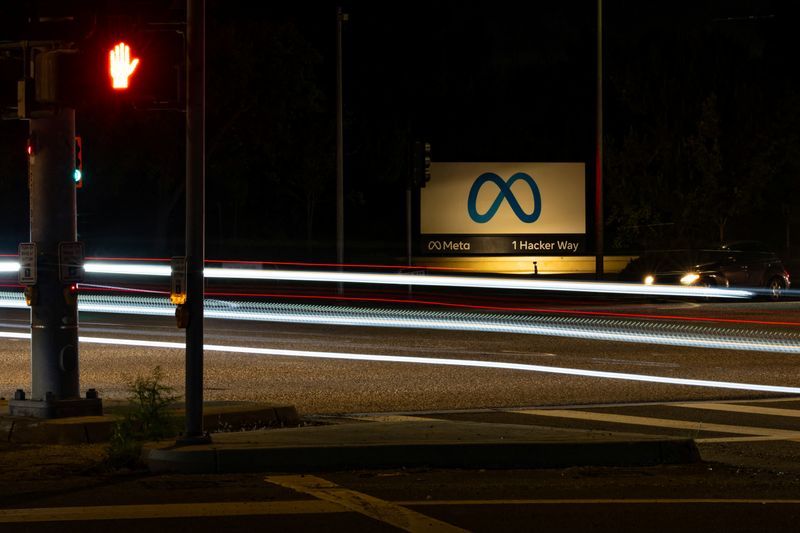
Meta, which operates Facebook and Instagram, is currently defending itself across two major state-level trials. One trial, which commenced this week and involves allegations from 29 states, is underway in federal court in Oakland, California. A second trial, centred on claims brought by Tennessee, continues in state court in Nashville. Both proceedings focus on allegations that Meta deliberately crafted its platforms to maximise engagement among minors and misrepresented safety measures to the public. The company issued a statement in response to P. M-Y.'s withdrawal, noting that the plaintiff had experienced significant pre-existing mental health conditions before her exposure to social media, and contending that this pattern characterises numerous cases within the larger litigation. Meta pledged to vigorously contest the remaining cases.
Google-owned YouTube and Snap also responded to the dismissal. YouTube framed the withdrawal as validation of its long-maintained position that the platform provides age-appropriate, secure experiences alongside robust parental oversight tools. Snap similarly highlighted its commitment to enhancing safety mechanisms, privacy protections and educational initiatives designed to support user wellbeing. Notably, TikTok—which was originally named as a defendant in P. M-Y.'s case—had already resolved her claims through a confidential settlement arrangement, a development that likely influenced dynamics surrounding the remaining defendants.
The broader litigation landscape reveals a pattern of incomplete trials and strategic retreats. Two additional bellwether cases featuring teenage plaintiffs with comparable accusations against the same corporate defendants are scheduled for October trials. However, TikTok has settled both of those matters, potentially signalling the platform's calculation regarding litigation risk. Another bellwether case concluded before trial in July when a teenage plaintiff abandoned claims against Meta after other defendants reached settlements. These procedural developments suggest that outcomes in individual test cases are reshaping defendants' settlement calculus and plaintiffs' litigation strategies.
The most substantive verdict to date emerged from the first individual trial in March, which concluded with jury awards totalling $4.2 million against Meta and $1.8 million against Google in a case brought by a woman who alleged that algorithmic design deliberately exploited psychological vulnerabilities to create addiction. TikTok and Snap settled that case rather than proceed to verdict, indicating platform operators' apparent preference for negotiated resolution over jury determinations. That trial outcome, combined with P. M-Y.'s withdrawal, creates an ambiguous precedential environment in which some platforms face jury exposure while others pursue settlement pathways.
For Malaysian and Southeast Asian observers, these American litigation trends carry significant implications. Social media penetration in this region substantially exceeds global averages, with younger demographics exhibiting particularly intensive platform usage. Regulatory authorities in Malaysia, Singapore and other neighbouring jurisdictions are monitoring how American courts adjudicate allegations regarding platform addictiveness and youth harm. Should verdicts or substantial settlements accumulate in US courts, they may accelerate regulatory momentum toward stricter age verification requirements, content moderation standards and disclosure obligations regarding algorithmic promotion of engagement—measures that would affect how platforms operate regionally.
The cascade of dismissals and settlements also suggests that individual plaintiff litigation may prove insufficient as a mechanism for systemic change. With bellwether cases proving inconclusive or withdrawn, and with platforms using settlement confidentiality to limit reputational impact, the legal system's capacity to establish clear precedent regarding platform liability remains circumscribed. State-level regulatory action, legislative restrictions on algorithmic amplification, and international coordination on platform accountability standards may ultimately prove more consequential than individual damage awards in reshaping how social media companies operate across Asia-Pacific markets.
Meanwhile, the strategic behaviour of platforms themselves—particularly TikTok's consistent settlement approach—reflects calculated risk management. By resolving individual cases confidentially while contesting state-level litigation, platforms maintain ambiguity about their legal exposure while simultaneously managing reputational damage. This bifurcated approach, if sustained across multiple jurisdictions, enables corporations to navigate American litigation pressures without fundamentally altering business models that prioritise engagement metrics and advertising revenue. For regulators in Malaysia and the region contemplating framework reforms, this observation suggests that litigation alone may necessitate supplementation through statutory guardrails and enforcement mechanisms with genuine operational consequences for non-compliance.

