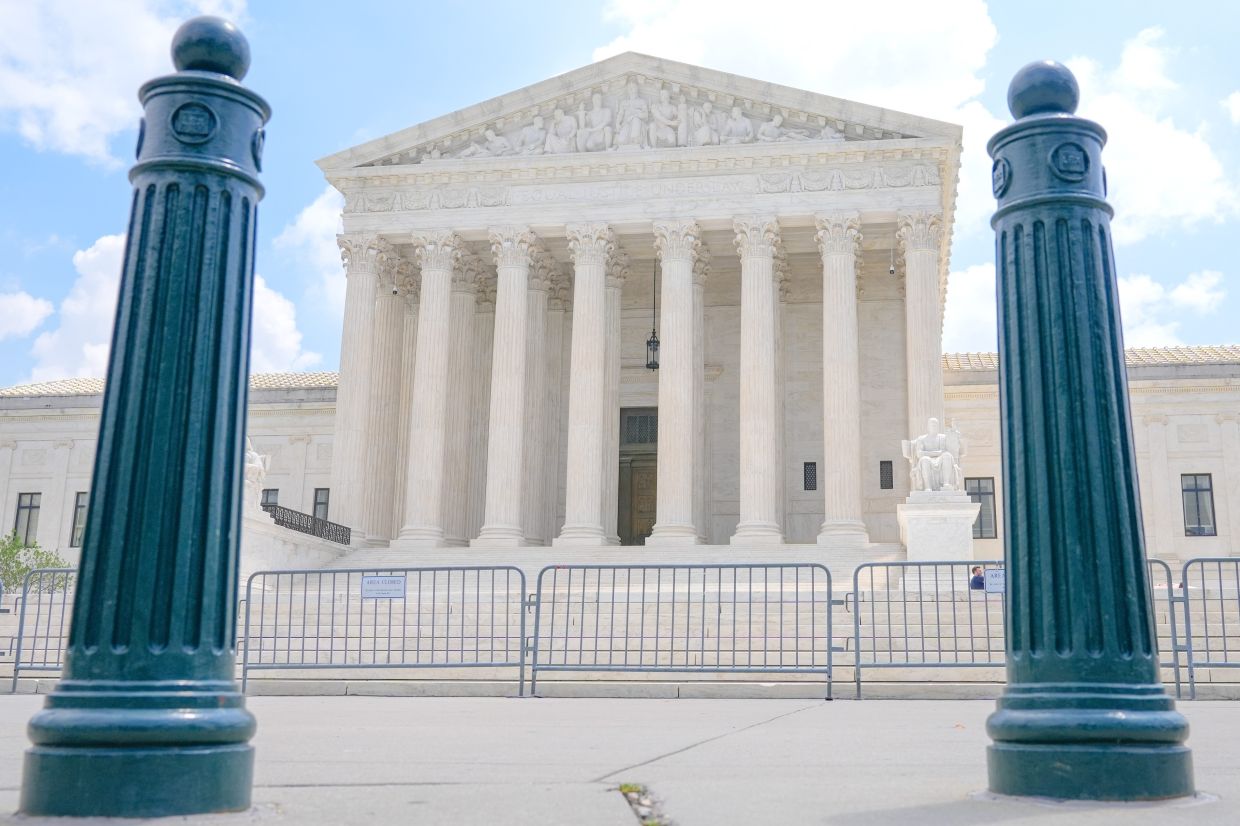
The United States Supreme Court has cleared the way for Texas to enforce an age verification requirement for mobile app downloads, rejecting emergency requests from civil liberties groups and technology advocates who contended the measure unconstitutionally restricts access to protected speech. Justice Samuel Alito issued brief orders denying the petitions without offering detailed reasoning, a procedural move that effectively upholds the controversial legislation.
The Texas App Store Accountability Act has become a focal point in the broader American debate over digital regulation, parental rights, and constitutional protections. The measure mandates that app stores verify the age of users before permitting downloads, ostensibly to shield minors from harmful content and invasive data collection practices. However, opponents argue the law casts too wide a net, potentially blocking teenagers from legitimate news websites, educational platforms, and other content lawfully protected under the First Amendment.
The legal journey of this legislation illustrates the tension within American courts over digital commerce and constitutional rights. A three-judge panel from the 5th US Circuit Court of Appeals determined in June that the law could proceed, reversing a district court's December ruling that found the statute unconstitutional. This appellate decision set the stage for the Supreme Court's non-intervention, effectively concluding that the measure will move forward despite ongoing constitutional concerns raised by industry groups and advocacy organizations.
The Computer & Communications Industry Association and Students Engaged in Advancing Texas led the challenge to the law, arguing that age verification requirements function as an improper barrier to constitutionally protected material. Their legal team emphasized that the measure threatens parental autonomy, contending that mothers and fathers should retain discretion over their children's digital access rather than having government officials determine appropriate boundaries. The plaintiffs' position rested on the principle that First Amendment protections cannot be circumvented through the pretext of child safety regulations.
Texas Attorney General Ken Paxton's office mounted a vigorous defense of the legislation, framing it as a necessary safeguard against the risks inherent in mobile technology. State lawyers highlighted the vulnerability of young users to invasive data practices, arguing that app stores have become gateways through which children encounter privacy violations and inappropriate content without adequate parental oversight or awareness. From this perspective, age verification operates as a reasonable protective measure rather than an impermissible restriction on speech.
The broader context for this dispute extends beyond Texas into the emerging landscape of digital regulation across American states. Numerous jurisdictions have begun experimenting with age-gating requirements and content restrictions for online platforms, seeking to balance technological innovation against perceived risks to minors. The Supreme Court's refusal to intervene signals tacit acceptance of this regulatory approach, at least for now, and may embolden other states to enact similar measures.
For Malaysian and Southeast Asian observers, the Texas case illuminates the tensions shaping digital governance globally. Many countries in this region grapple with comparable questions about protecting young users while preserving open access to information. The outcome in Texas suggests that constitutional democracies are increasingly willing to permit state-level restrictions on app distribution, even when such measures raise free speech concerns. This trend could influence how Malaysia and neighbouring nations approach their own digital regulations.
The implications extend to technology companies operating across multiple jurisdictions. Major app distributors including Apple and Google will now confront the practical challenge of implementing age verification systems that satisfy diverse regulatory requirements across different states and countries. Compliance costs may ultimately affect how apps reach younger users and could create fragmented digital markets where content availability varies by location.
The Supreme Court's silence on the constitutional questions—conveyed through Alito's one-sentence orders—leaves substantial legal ambiguity unresolved. Future courts may still revisit whether age verification constitutes an unconstitutional prior restraint on speech, but for the immediate term, Texas has secured authority to enforce its law. This procedural posture means the constitutional debate continues in lower courts even as the legislation moves into implementation.
Industry observers note that the Texas law arrives amid intensifying pressure from parents, child safety advocates, and politicians demanding stronger protections against algorithmic targeting, data harvesting, and inappropriate content exposure. These demands often enjoy broad bipartisan support, creating political momentum that courts may hesitate to obstruct through aggressive constitutional review. The apparent judicial deference to state regulation in this context reflects broader uncertainty about how to apply traditional First Amendment doctrine to digital platforms and commercial app stores.
The practical enforcement of age verification presents technical and privacy challenges that have not yet been fully litigated. Implementers must determine which verification methods satisfy the law without creating new privacy vulnerabilities. This practical dimension could generate fresh legal challenges focusing on whether age verification systems themselves cause the privacy harms the law purports to prevent.
As the law moves toward full implementation, it remains unclear whether the Supreme Court will eventually grant review of the constitutional questions or whether the measure will survive sustained legal pressure in lower courts. The current decision neither affirms the law's constitutionality nor forecloses future challenges—it simply permits Texas to proceed while litigation continues. This ambiguous posture reflects the Court's apparent reluctance to resolve the deep tensions between child protection and constitutional liberties in the digital context.

