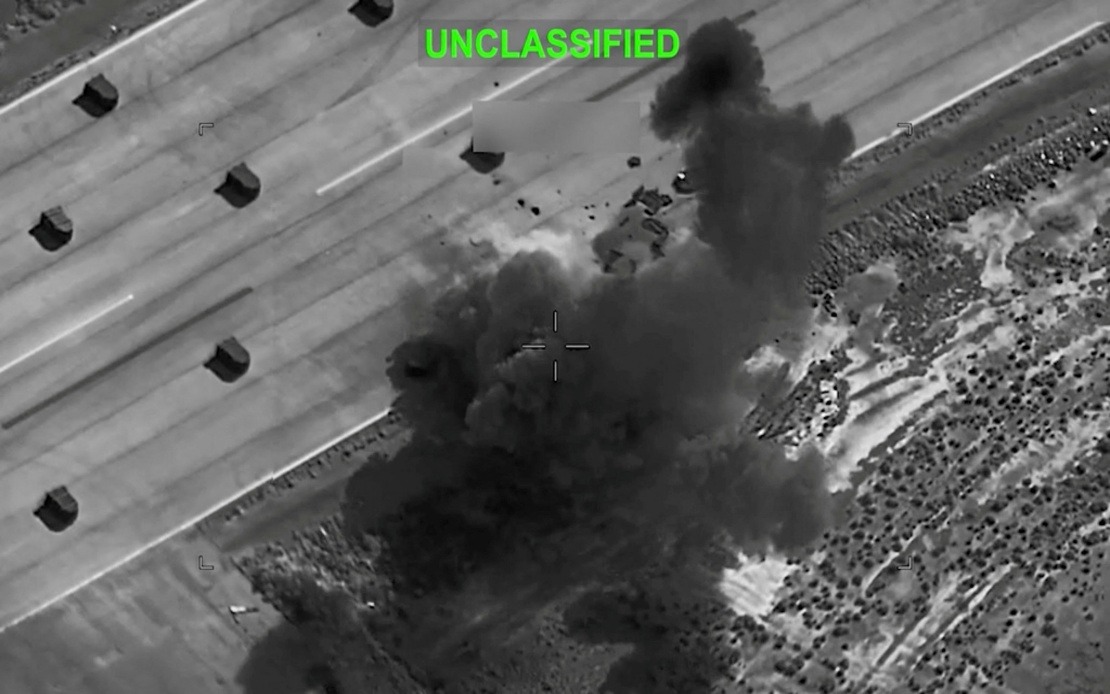
The Iranian Health Ministry has documented significant casualties following a series of military strikes conducted by the United States on Iranian territory during what authorities described as an active ceasefire. According to Hossein Kermanpour, a spokesman for the Iranian Health Ministry, at least 14 people lost their lives and 78 others sustained injuries across five provinces targeted on July 8 and 9, 2026. The announcement underscores the volatile nature of the current regional standoff and raises fresh concerns about the fragility of existing agreements intended to prevent wider conflict.
Kermanpour disclosed the casualty figures through a statement posted on the social media platform X, providing specific details about the distribution of injured individuals across medical facilities. Of the 78 people wounded in the attacks, 47 remained hospitalised at the time of his statement, while the remaining 31 had already been released following treatment. This distribution suggests that a substantial portion of those injured sustained sufficiently serious wounds to require ongoing medical observation and care, indicating the intensity and destructive capacity of the strikes.
The timing of these incidents carries particular significance given that the attacks occurred during what both parties had apparently agreed would be a ceasefire period. This timing raises serious questions about the commitment of all parties to the established agreement and whether mechanisms exist to enforce compliance or respond swiftly to violations. For Southeast Asian nations and other observers worldwide, the incident demonstrates how fragile such arrangements can prove when implemented without robust verification mechanisms or enforceable penalties for breaches.
The geographic spread of the strikes across multiple provinces indicates a coordinated campaign rather than isolated incidents. The selection of five different provinces suggests strategic targeting, though official Iranian sources have not yet disclosed specific military or tactical justifications for the American operations. This expansion across multiple regions indicates either an escalation in operations or a deliberate effort to distribute strikes in ways that Iranian officials view as particularly provocative during a supposed period of restraint.
For Malaysia and other ASEAN members, developments in the Middle East carry implications for regional stability, energy security, and international commerce. The region serves as a critical corridor for global trade and energy supplies that directly affect Southeast Asian economies. Any expansion of military conflict or deterioration in fragile diplomatic arrangements can disrupt shipping lanes, elevate insurance costs for regional traders, and create uncertainty that impacts investment decisions across the region.
The casualty figures released by the Iranian Health Ministry represent official Iranian accounting of the incident. International observers and journalists have yet to provide independent verification of these numbers, though such claims are typically subject to scrutiny from multiple sources including humanitarian organisations and independent media outlets. The scale of casualties—particularly the number requiring hospitalisation—suggests consequences that extend beyond immediate military objectives into civilian-affected areas.
The statement from Kermanpour also serves as a formal notification to international audiences of Iran's assessment of the situation. By releasing specific casualty figures through an official health ministry representative, Iran signals both a documentation of harm and an implicit grievance regarding the conduct of operations during what it characterises as a ceasefire period. This public accounting may influence how the incident shapes subsequent diplomatic negotiations or positions adopted by various nations regarding future international mediation efforts.
The broader context of ceasefire arrangements in the Middle East has long proven challenging for all parties involved. Previous agreements have frequently encountered disputes over interpretation, implementation, and verification. The recurrence of such incidents during supposedly agreed-upon periods of restraint underscores fundamental difficulties in establishing durable peace mechanisms without comprehensive international oversight, clear protocols for dispute resolution, and mechanisms that provide all parties with sufficient confidence that violations will be detected and addressed proportionately.
For regional analysts and policymakers across Southeast Asia, this incident reinforces longstanding concerns about the unpredictability of Middle Eastern geopolitics and its potential consequences for global stability. Malaysia, as a nation with significant economic and diplomatic interests tied to international stability and free trade, maintains careful attention to such developments. The incident also illustrates why ASEAN nations have consistently advocated for multilateral approaches to conflict resolution and why regional forums emphasise dialogue-based mechanisms for addressing disputes before they escalate into armed confrontation.
The immediate humanitarian response captured in Kermanpour's statement—the hospitalisation and treatment of injured individuals—reflects the practical demands that military escalation imposes on civilian medical infrastructure. The fact that 47 individuals still required hospitalisation at the time of the statement suggests that several sustained injuries serious enough to necessitate extended care, adding to the broader social and economic costs of the conflict beyond the loss of life.

