Two prominent US Congressional leaders have formally petitioned the Justice Department to conduct a comprehensive investigation into a break-in and vandalism incident at a California museum commemorating the 1989 Tiananmen Square crackdown, signalling heightened concern among American policymakers about alleged transnational intimidation targeting the Chinese diaspora.
The three-page letter, delivered on Thursday, was jointly authored by John Moolenaar, a Republican congressman from Michigan who chairs the House Select Committee on China, and Christopher Smith, a Republican from New Jersey serving as co-chairman of the Congressional-Executive Commission on China. Their appeal directly addresses both the Justice Department and the FBI, calling for a thorough examination of the incident to safeguard what they describe as the constitutionally protected rights of Chinese exiles pursuing freedom within American borders.
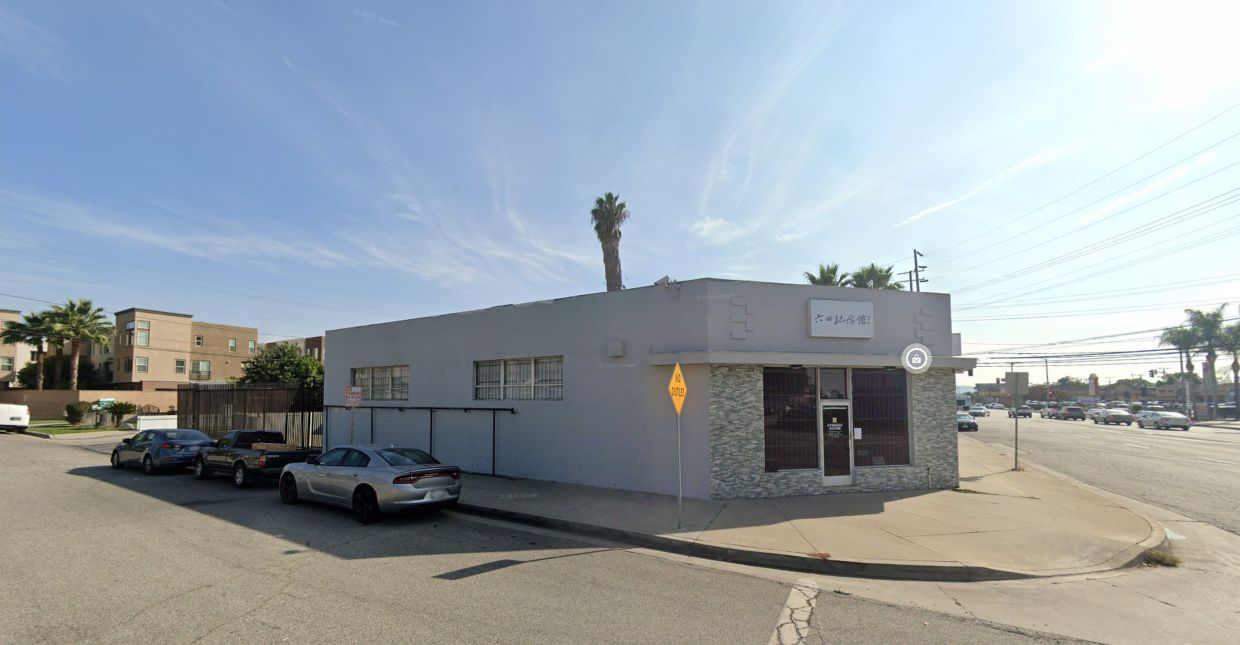
The June 4th Memorial Museum in El Monte, California experienced a significant security breach on May 31, just days before the anniversary of the 1989 crackdown. According to the museum's own statement, intruders not only spray-painted walls and exhibits with orange paint but also damaged numerous artefacts and deliberately sabotaged the facility's surveillance equipment, substantially undermining the institution's operational capacity. The attack appeared deliberate and calculated, with perpetrators creating visible lines of orange paint across framed newspaper clippings and related historical displays documenting the incident.
The museum, which relocated from New York to Los Angeles in 2023 to reduce operational expenses, represents a significant resource for chronicling and preserving memories of June 4, 1989. Operating as a non-profit organisation, the institution has relied entirely on independent fundraising initiatives, crowdsourced donations, and support from civil society organisations. An online artist collective reported that the fundraising effort had accumulated US$500,000 towards an ambitious US$2 million target during 2023, demonstrating the commitment of diaspora communities to memorialising this historical moment.
The museum's management responded with measured determination, refusing to be intimidated despite acknowledging that the break-in contained clear elements of intimidation and coercion. In their official statement, museum leaders pledged to pursue legal accountability for those responsible while promising not to capitulate to pressure. Significantly, the museum explicitly characterised the incident as a potential case of "transnational repression," a term increasingly used by human rights advocates and policymakers to describe alleged coordinated efforts by authoritarian governments to silence critics and suppress dissent beyond their borders.
Moolenaar and Smith's letter specifically directs federal authorities to determine whether the attack was orchestrated, encouraged, supported, or carried out by individuals acting on behalf of, under the direction of, or in sympathy with the People's Republic of China or the Chinese Communist Party. This language reflects growing international discourse regarding Beijing's alleged use of transnational coercive tactics against overseas dissidents and organisations critical of the Chinese government. The lawmakers emphasised the need for coordination between the FBI's Los Angeles Field Office, the Justice Department's National Security Division, and local police to establish potential connections to state-sponsored activities.
El Monte police have confirmed they opened an investigation following the incident, with the department reportedly obtaining preliminary leads and points requiring clarification. The museum indicated its willingness to cooperate fully with law enforcement authorities to resolve the matter expeditiously. However, neither the Justice Department nor the FBI has publicly responded to inquiries regarding their investigative status or any preliminary findings.
The involvement of these two Congressional bodies underscores the political weight attached to defending Chinese diaspora communities in the United States. The House Select Committee on China, established in January 2023, focuses specifically on economic and security competition between Washington and Beijing. The Congressional-Executive Commission on China, created in 2000 when Beijing joined the World Trade Organization, maintains a mandate to monitor human rights conditions and rule of law development in mainland China. While neither body possesses authority to propose legislation, both can conduct investigations and submit policy recommendations to Congress, effectively amplifying their findings throughout the American political system.
Beijing has not directly responded to this particular incident, but Chinese diplomatic officials have consistently characterised such Congressional oversight bodies as "political tools with zero credibility" motivated by "Cold War mentality" and "ideological bias." This reflexive dismissal masks deeper tensions surrounding how Washington and Beijing each interpret overseas Chinese communities' political freedoms and loyalties. The museum vandalism incident exemplifies how symbolic sites commemorating sensitive historical episodes become flashpoints in broader geopolitical competition between the two powers.
For Malaysian readers and Southeast Asian observers, this incident illuminates the complex position occupied by ethnic Chinese communities across the region. The principle that diaspora populations should enjoy freedom of expression and assembly without fear of transnational intimidation carries direct relevance to discussions about protecting minorities' rights in pluralistic societies. Moreover, the incident highlights how historical memory—particularly regarding contentious events like Tiananmen—continues shaping contemporary international relations and community cohesion across the Chinese diaspora globally.
The broader context involves escalating concerns among US policymakers that Beijing employs various coercive mechanisms—ranging from surveillance and harassment to legal threats and economic pressure—to silence critics and suppress commemorative activities abroad. If federal investigators substantiate the museum's suspicions that the vandalism constitutes transnational repression, it would represent a significant escalation in Beijing's alleged overseas operations and could prompt strengthened American legislative or executive responses designed to protect diaspora communities and safeguard their constitutional rights.
The case also reflects deepening American anxieties about foreign interference and intimidation within US territory, particularly targeting vulnerable exile and diaspora communities. As tensions between Washington and Beijing intensify across multiple domains—trade, technology, defence, and human rights—such incidents acquire disproportionate political significance, galvanising Congressional attention and potentially influencing future legislation concerning national security and the protection of overseas dissidents seeking refuge in America.

