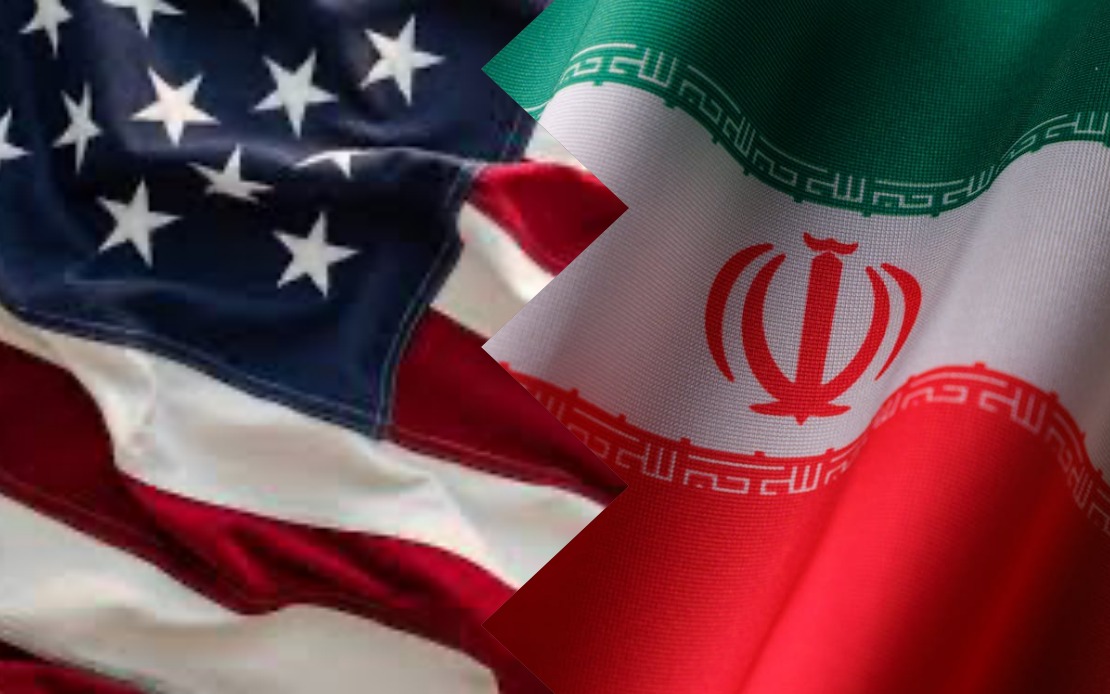
The United States military executed a second phase of military operations targeting Iran on Wednesday afternoon, marking an escalation in direct confrontation between Washington and Tehran. According to the US military's Central Command, the strikes commenced at 3 p.m. Eastern Time and were directed at Iranian military infrastructure deemed responsible for threatening the free passage of vessels through the Strait of Hormuz, a waterway of paramount importance to international commerce and global energy supplies.
The timing of these operations underscores the deteriorating security situation in the Persian Gulf region, where tensions have simmered despite diplomatic initiatives. The Strait of Hormuz represents one of the world's most critical maritime chokepoints, with approximately one-third of all seaborne traded oil transiting through its waters annually. Any disruption to shipping in this passage carries immediate consequences not only for Middle Eastern stability but for energy markets globally, affecting nations far beyond the region including energy-dependent economies throughout Southeast Asia.
CENTCOM framed the military action as a response to Iranian threats to international maritime freedom, presenting the strikes as a measure to enforce accountability under the direction of President Donald Trump. The characterization of these operations reflects Washington's broader strategic objective to maintain freedom of navigation in international waters and prevent what US officials view as Iranian interference with commercial shipping routes. This framing carries particular resonance for trading nations like Malaysia, Singapore, and other Southeast Asian states whose economies depend heavily on uninterrupted maritime commerce and predictable energy supplies.
Trump had issued fresh warnings to Iran earlier the same day, publicly cautioning Tehran to comprehend America's resolve while implicitly threatening further action if Iranian behaviour did not change. His statements functioned both as a military signal and domestic political messaging, emphasizing his administration's willingness to employ force in advancing its Middle East objectives. The president's rhetoric reflected a pattern of escalating verbal pressure accompanying military demonstrations of US capability and intent in the region.
The current military engagement represents the latest chapter in an escalating cycle of tit-for-tat operations between the US and Iran that has accelerated dramatically in recent months. This dynamic gained momentum following coordinated US-Israeli military strikes against Iranian territory in February, an operation that fundamentally altered the region's security calculus. Iran subsequently retaliated with direct missile and drone attacks, prompting the American response now unfolding through successive waves of military operations.
Despite these intensifying military exchanges, Pakistan had facilitated discussions between the two adversaries aimed at achieving a memorandum of understanding to terminate the cycle of attacks. The apparent failure of this diplomatic initiative to prevent continued hostilities suggests that military momentum and strategic miscalculation may have overwhelmed diplomatic channels. For regional observers and particularly Southeast Asian nations reliant on stable Gulf security, the breakdown of restraint mechanisms raises concerns about potential further escalation and its economic ramifications.
The concentration on Iranian military capabilities threatening the Strait of Hormuz reflects US strategic priorities in the region, where maintaining maritime security and deterring Iranian asymmetric tactics have become central concerns. Iranian naval forces and missile-equipped vessels have previously conducted operations and exercises in these waters, creating what Washington characterizes as unacceptable risks to commercial shipping. The American response seeks to degrade these capabilities and raise the costs of any Iranian actions perceived as threatening to international commerce.
For Malaysia and other Southeast Asian nations, developments in the Persian Gulf carry significant economic implications beyond immediate security considerations. Many ASEAN economies maintain substantial trade relationships with both Iran and Gulf Arab states, creating complex diplomatic challenges as regional tensions intensify. Southeast Asian nations generally prefer maintaining neutrality in major power confrontations and protecting their commercial interests, yet the escalating US-Iran conflict complicates these objectives by potentially forcing choices about alignment and supply chain dependencies.
The broader geopolitical context reveals deeper structural tensions between US efforts to maintain regional dominance and Iranian assertions of influence in the Middle East. These confrontations occur against a backdrop of changing global power dynamics, where traditional Western military superiority faces challenges from asymmetric tactics, missile proliferation, and drone technology. The successive waves of strikes represent attempts to reassert deterrence through demonstrated military capability, though history suggests such approaches carry risks of unintended escalation and miscalculation.
The implications of these operations extend beyond immediate military considerations to encompass energy security, maritime commerce, and regional stability frameworks that affect distant markets and economies. Southeast Asian policymakers monitor developments carefully, recognizing that major disruptions to Gulf shipping or energy supplies would transmit economic shocks throughout the region. The continued cycle of military operations, absent successful diplomatic intervention, presents troubling scenarios for international commerce and stability that third countries have limited capacity to influence but profound interest in containing.

