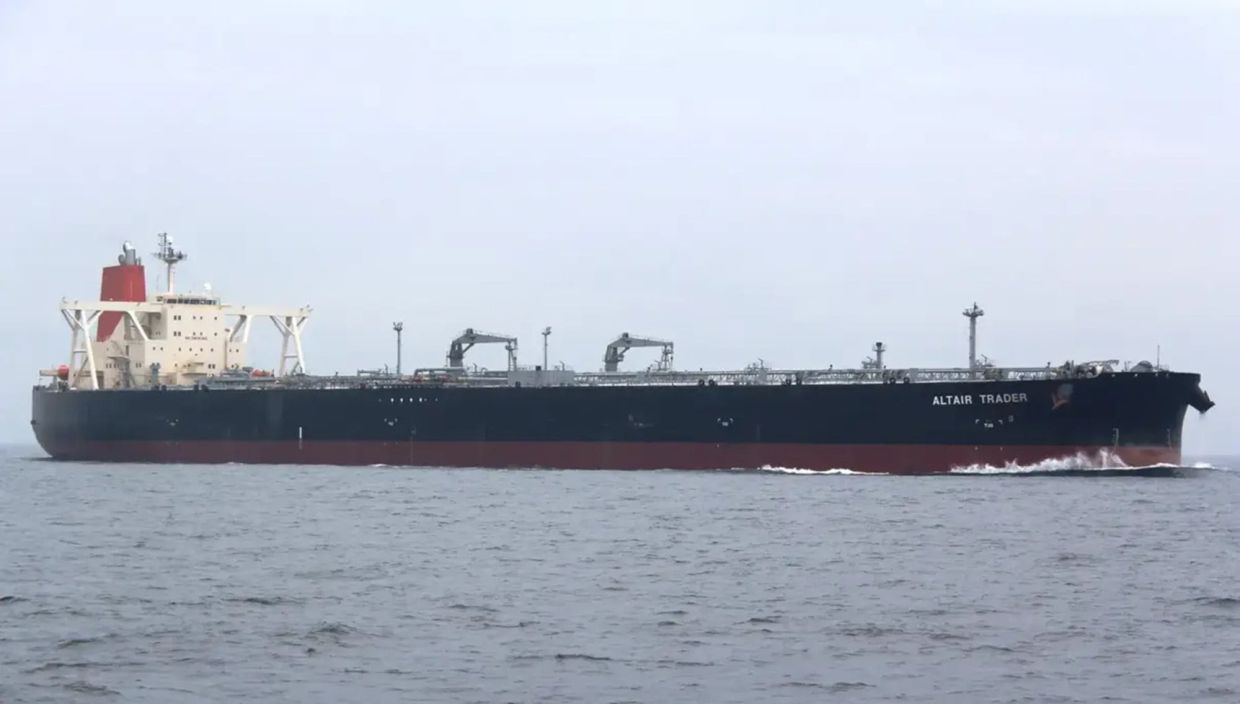
The United States announced fresh sanctions against eight shipping firms based in mainland China and Hong Kong on Wednesday, accusing them of operating tankers that transported Iranian crude oil and petrochemical products to Asian markets as part of Iran's effort to circumvent international restrictions. The action represents another escalation in Washington's economic and military campaign targeting Iran's ability to monetise its energy reserves, a strategy that increasingly extends beyond direct Iranian entities to foreign intermediaries facilitating the trade.
The State Department's designations, coordinated with the Treasury Department, freeze any assets these companies hold within US jurisdiction and effectively bar American individuals and organisations from conducting business with them. More significantly, foreign financial institutions and international companies face potential sanctions exposure should they continue to process transactions involving the designated firms, creating a chilling effect on global commerce with these entities. This secondary sanctions threat has proven one of Washington's most potent tools for pressuring third countries into compliance with its Iran policy, forcing multinational banks and traders to choose between access to US markets and business with Iran-connected entities.
Six of the eight vessels identified in this action have specifically carried Iranian crude to China, with Treasury documents indicating that some tankers transported millions of barrels during 2026 alone. The scale of this trade underscores the sophistication of Iran's shadow fleet operations, whereby vessels obscure their ownership and destination through complex corporate structures and flag-of-convenience registrations. Names like the Well Sail, Lily, Al Salmi, Breeze V, Natsumi, and Crystal represent a floating network of Iranian oil distribution that has evolved to outwit American sanctions enforcement.
Among the sanctioned companies, Qi Hang Ship Management Limited, based in mainland China, owns the Marshall Islands-flagged Well Sail, which allegedly carried hundreds of thousands of barrels of Iranian petroleum products to the United Arab Emirates. Hong Kong-based Confident Apex Limited operates the Mozambique-flagged Lily, a vessel that has transported millions of barrels of Iranian crude since 2025 according to Treasury data. The other five entities operate from Hong Kong and manage tankers with varied flag registrations, a structure typical of efforts to distance Iranian oil from direct attribution and evade detection by international monitoring systems.
State Department spokesman Tommy Pigott framed the sanctions as supporting the US Navy's enforcement of what Washington describes as a blockade of Iranian ports and coastline. This explicit linkage between economic sanctions and military operations reveals the coordinated nature of American strategy, whereby financial pressure complements naval patrols in the Strait of Hormuz and surrounding waters. The approach reflects broader Pentagon concerns about Iran's destabilising activities in the region and its funding of armed groups, though critics argue such measures impose costs on civilian populations and global commerce.
China's response was swift and dismissive. Liu Pengyu, spokesman for the Chinese embassy in Washington, rejected the allegations as baseless smears and accused the United States of abusing unilateral sanctions to target legitimate Chinese business. Beijing characterised its cooperation with Iran as transparent and lawful, demanding that Washington cease pursuing Chinese companies and respect their right to conduct legal commerce. This rhetorical exchange reflects deeper tensions between Washington and Beijing over Iran policy, with China viewing such restrictions as extraterritorial overreach that threatens its commercial interests and sovereignty.
Treasury Secretary Scott Bessent characterised Iran's economy as deteriorating rapidly, citing triple-digit inflation and what he described as a state desperate for foreign currency. He framed the sanctions as preventing Iran from financing the Islamic Revolutionary Guard Corps' operations abroad and holding global commerce hostage. This economic argument has become central to Washington's sanctions narrative, positioning restrictions not merely as punishment but as a necessary response to Iranian coercion and funding of armed groups across the Middle East and beyond.
The sanctions action also targeted two Iranian insurance companies accused of operating what Treasury termed an extortion scheme. The Persian Gulf Marine Insurance Company and the Hormuz Safe Marine Services Authority allegedly force commercial vessels transiting the Strait of Hormuz to purchase maritime insurance against risks purportedly created by Iran itself. Hormuz Safe, developed by Iran's Ministry of Economy, accepts cryptocurrencies including bitcoin and generates revenue flowing to the IRGC, according to Treasury findings. The coercive nature of these insurance requirements, imposed on shipping bound for third countries unrelated to Iran, illustrates how Washington interprets Tehran's conduct as destabilising broader maritime commerce.
For Malaysia and Southeast Asia, these sanctions carry significant implications. Many regional shipping companies operate in international waters and frequently transit strategic chokepoints like the Strait of Hormuz, exposing them to potential secondary sanctions exposure should they engage with designated Iranian entities or their facilitators. Malaysian insurers and financial institutions must navigate complex compliance requirements to avoid violations, and regional traders accustomed to purchasing Iranian oil face additional obstacles as legitimate counterparties become unavailable. The sanctions architecture thus reshapes Asian energy markets and shipping practices in ways extending far beyond the direct US-Iran relationship.
The sanctions underscore Washington's determination to maintain and intensify pressure on Iran's revenue generation, a strategy that has persisted through administrations of both parties and continues to evolve in sophistication. By targeting foreign intermediaries, particularly those based in countries like China and Hong Kong with significant maritime sectors, the United States seeks to degrade Iran's ability to market oil despite international sanctions. The efficacy of such measures remains contested, with analysts disagreeing about whether they meaningfully constrain Iranian oil exports or simply shift operations to less transparent channels while generating geopolitical friction with major powers.
Beijing's resistance to these designations reflects broader Chinese interests in maintaining energy diversity and commercial relationships unconstrained by American dictates. China's oil imports from Iran serve strategic goals independent of sanctions considerations, making compliance with Washington's measures unlikely regardless of diplomatic pressure. This dynamic positions Southeast Asian nations, which maintain stronger ties to the United States than China while also depending on regional stability and trade, in an uncomfortable position of managing competing pressures from great powers pursuing contradictory policies toward Iran.

