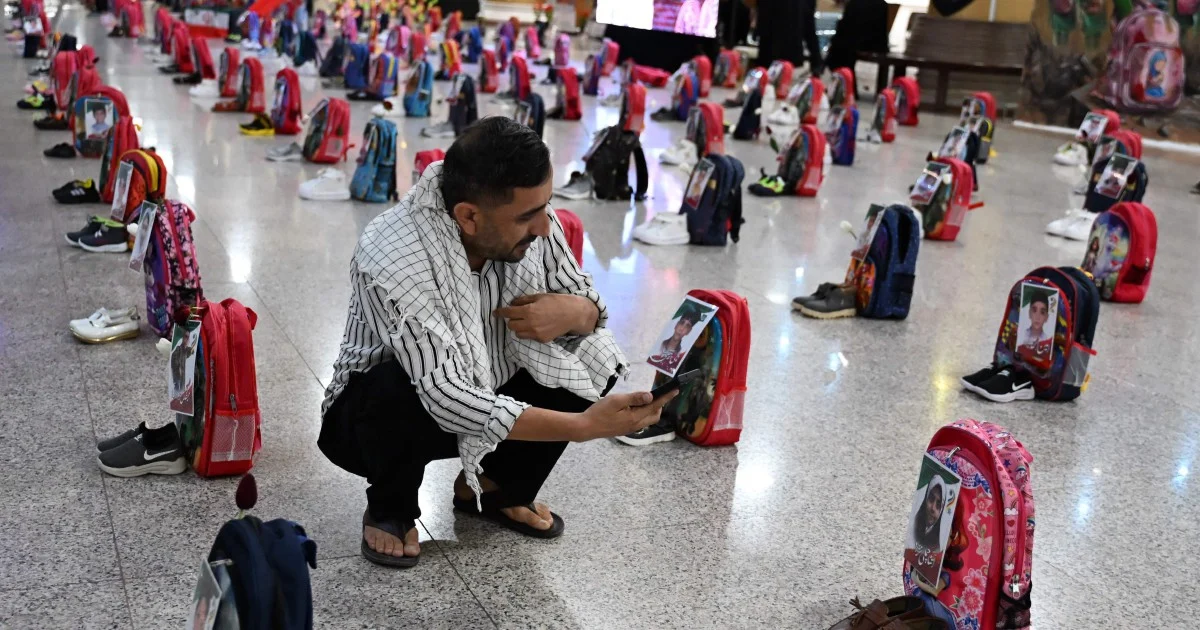
Democratic senators led by New York's Kirsten Gillibrand have escalated pressure on the Trump administration to make public the Pentagon's investigation into a controversial February 28 airstrike that struck a girls' school in Iran, with lawmakers setting a one-week deadline for the disclosure to occur. The demand arrives at a delicate moment in US-Iran relations, when transparency around military operations could prove significant both domestically and internationally.
The February 28 strike represents one of several military operations the United States has conducted in the Middle Eastern region, and the target's civilian nature—a facility serving female students—has drawn particular scrutiny from lawmakers concerned about potential civilian casualties and the operational justifications provided by the Pentagon. The incident reflects broader tensions between military necessity arguments advanced by the administration and humanitarian concerns raised by members of Congress with foreign policy oversight responsibilities.
Gillibrand and her Senate colleagues have framed the investigation disclosure as essential to congressional accountability and public trust in the military's decision-making processes. Their push comes amid heightened focus on civilian protection standards and adherence to international humanitarian law, principles that remain contentious when applied to operations in active conflict zones or against designated adversaries. The Democratic senators are leveraging their legislative authority to compel executive transparency, a recurring point of friction between the executive and legislative branches on matters of national security.
The Trump administration has not yet provided the public disclosure sought by the senators, and it remains unclear whether the deadline will prompt immediate compliance. Pentagon investigations into such incidents typically examine targeting procedures, intelligence assessments, and post-strike damage assessments, though the scope and conclusions of this particular probe have not been detailed in official statements. The internal investigation likely addressed whether protocols were followed correctly and whether available information suggested the facility's civilian status at the time of the strike.
For Malaysia and Southeast Asia, the incident carries implications regarding how the United States justifies military operations in regions of strategic importance and how democratic processes function when civilian casualties may be involved. Malaysian officials and civil society groups have consistently advocated for stronger accountability mechanisms in international military operations, making the US investigation's contents relevant to broader regional discussions about civilian protection standards and military conduct.
The senators' public demand signals that even within the administration's own party divisions exist regarding the handling and communication of sensitive military investigations. While Republicans generally defer to executive expertise on national security matters, Democratic lawmakers have positioned themselves as guardians of transparency and accountability, suggesting the finding's eventual release could become a flashpoint in domestic political debate. The week-long timeline creates artificial urgency that may force the administration's hand, though classified information protocols could potentially shield certain operational details from public view.
Iran has not issued detailed statements regarding casualty assessments or damage sustained from the February 28 operation, though the strike's targeting of a school likely prompted international concern. Tehran's response could range from diplomatic complaints through international channels to domestic messaging highlighting what it characterizes as American military aggression against civilian infrastructure. The investigation findings may influence how the Iranian government frames the incident to its domestic audience and international community.
The investigation's conclusions carry significance beyond the immediate incident, potentially establishing precedent for how the US military assesses similar operations in the future. If the Pentagon's investigation reveals procedural failures, it could trigger policy recommendations affecting targeting procedures and civilian-casualty prevention mechanisms. Conversely, if findings indicate proper protocol compliance and legitimate targeting based on intelligence available at the time, the administration may use the investigation to defend operational decisions against political criticism.
Congressional oversight of military operations remains constitutionally grounded, and the senators' demand reflects their legislative responsibility to supervise executive conduct in national security matters. The one-week deadline, while politically motivated, aligns with expectations that executive agencies should respond promptly to direct congressional requests for information, particularly regarding incidents with potential humanitarian dimensions. The administration's response—whether compliance, partial disclosure, or assertion of executive privilege—will signal its approach to legislative oversight during this political period.
The transparency question extends beyond this single incident, touching on broader debates about civilian protection in counter-terrorism operations, the balance between national security and public accountability, and congressional power to compel executive agencies to disclose information. As the United States maintains military engagement across multiple regions, how the Trump administration handles this particular disclosure request may establish patterns for similar future demands. The outcome will likely influence not only public understanding of the February 28 strike itself but also precedent for transparency in subsequent military operations and investigations across the Middle East and beyond.

