A United States federal judge has given final approval to a landmark settlement addressing one of the most contentious issues in the artificial intelligence industry: the use of copyrighted literary works to train large language models. District Judge Araceli Martínez-Olguín ruled on July 20 that the class-action settlement delivers what she termed "meaningful relief" to the affected authors and publishers whose creative works were allegedly used without permission in developing Anthropic's Claude chatbot technology.
The scope of the settlement underscores the scale of the alleged copyright infringement. More than 482,000 individual books fall under the scope of the settlement, and the extraordinarily high participation rate—with authors and publishers claiming approximately 91% of these works—demonstrates both the legitimacy of grievances and the broad geographic and professional reach of the case. This participation level is unusually high for class-action settlements, suggesting that affected rights holders found the compensation terms satisfactory and the claim process accessible. Authors and publishers who have successfully filed claims will now receive payments from the settlement fund, though the specific per-book compensation amounts have not been widely disclosed.
Plaintiff attorney Justin Nelson framed the achievement in sweeping historical terms, describing the settlement as "the largest known copyright recovery in history" and pledging swift distributions to the broader class of claimants. This characterization reflects the genuine novelty of the case within the context of AI regulation and copyright enforcement. Traditionally, copyright disputes have involved far smaller numbers of works or more limited financial impacts. The sheer magnitude of this settlement—involving nearly half a million titles and affecting thousands of individual authors and publishers globally—represents a watershed moment in how the legal system addresses AI training practices.
The road to final approval involved a complex legal journey that revealed tensions between different interpretations of copyright law in the AI age. US District Judge William Alsup, who issued preliminary approval of the settlement in San Francisco federal court in September of the previous year before subsequently retiring, had delivered a legally nuanced decision that contained contradictory findings. Alsup's ruling determined that training AI chatbots on copyrighted books could potentially constitute fair use under established copyright doctrine—a finding that would have broad implications for the entire AI industry. However, in the same decision, he found that Anthropic had engaged in wrongful acquisition by systematically obtaining millions of books through pirate websites rather than through legitimate licensed sources or direct publisher agreements.
This distinction between the legality of using copyrighted material for AI training and the illegality of the acquisition method proved crucial to the settlement's framework. Anthropic's position, articulated by deputy general counsel Aparna Sridhar on July 17, emphasized the favorable aspects of Alsup's ruling for the company's business model. Sridhar highlighted the judge's determination that training AI on copyrighted books constitutes fair use, a conclusion that could provide legal cover for similar practices across the industry. This interpretation suggests that as long as companies acquire books through legitimate means, using them to train large language models may not violate copyright law—a view that could reshape AI development practices if upheld in future litigation.
yet Sridhar's statement also demonstrated Anthropic's desire to move beyond the dispute, noting the company's satisfaction with the high claim rate and its eagerness to conclude the matter. This pragmatic stance reflects industry recognition that settling copyright disputes swiftly may be preferable to prolonged litigation that creates regulatory uncertainty and negative publicity. The company's willingness to establish a substantial settlement fund, even while its legal position contained favorable elements, suggests that Anthropic views resolution as more strategically valuable than continued court battles.
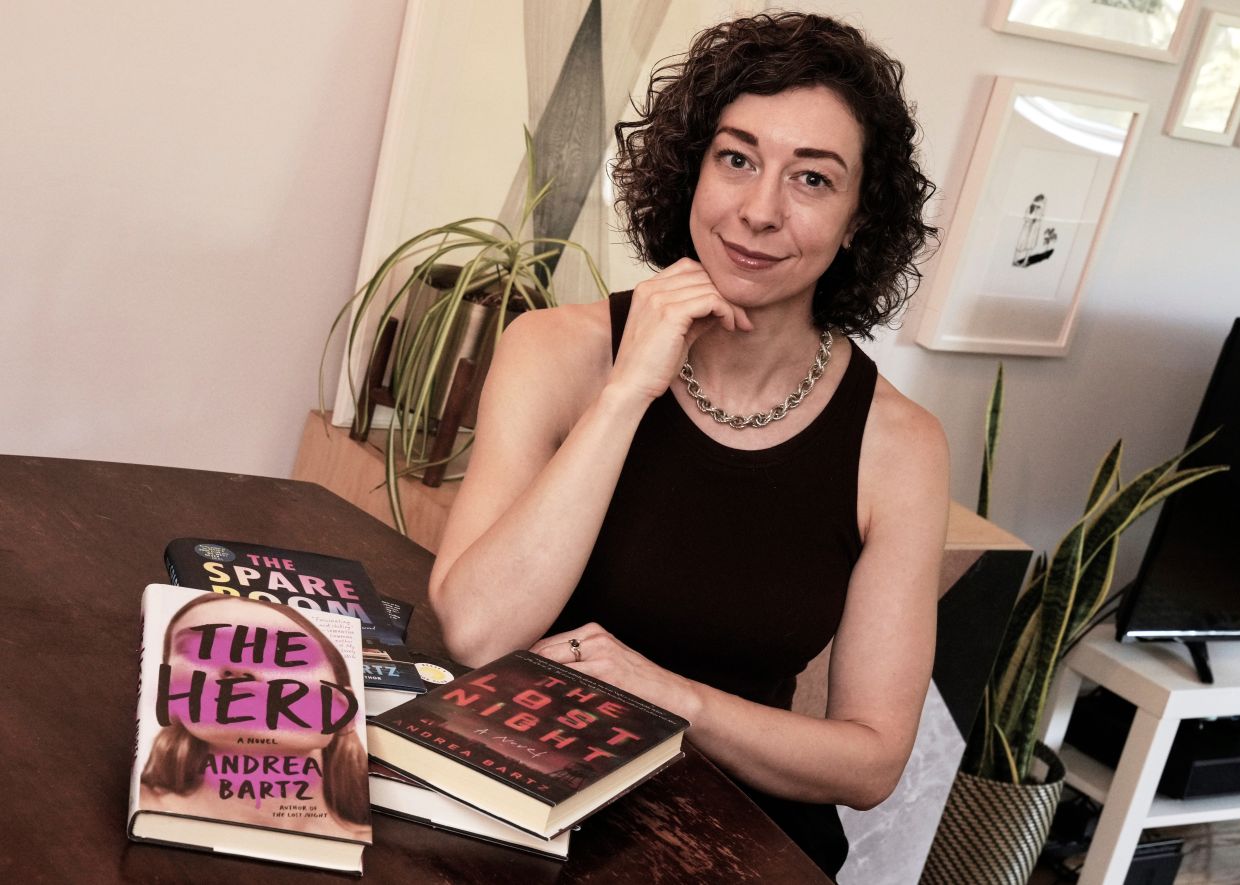
The original lawsuit emerged in 2024 when bestselling thriller novelist Andrea Bartz joined two other authors in initiating the class action against Anthropic. This relatively recent origin point highlights how rapidly the AI copyright controversy has escalated. The speed with which this case moved from filing to preliminary approval to final settlement demonstrates both the urgency that courts perceive in addressing AI-related copyright questions and the substantial resources that both parties brought to bear on the dispute. Major literary figures like Bartz bringing suits signals that established, commercially successful authors view the stakes of AI copyright enforcement as personally significant.
For the broader technology landscape, this settlement arrives amid dozens of ongoing AI copyright lawsuits that continue working through various court systems. This case represents the first major settlement among these disputes, and its structure and findings will likely influence how subsequent litigation is resolved. Rival AI companies, including OpenAI and Google, face their own copyright challenges in courts across the United States. The legal principles established in the Anthropic case—particularly regarding fair use, acquisition methodology, and settlement adequacy—will provide templates and precedents that shape these future proceedings.
The implications extend beyond individual companies to the fundamental question of how AI development can proceed while respecting intellectual property rights. The settlement's framework appears to establish a middle ground: AI training on copyrighted material may be defensible legally, but companies must acquire source material through legitimate channels and provide compensation when works are used improperly. This approach suggests that the future of AI development in the publishing sector will require licensing arrangements with publishers and aggregated rights management systems rather than uncontrolled web scraping or pirate repository access. For Malaysian publishers and authors, the decision provides important precedent regarding how their works might be protected if used in AI training, and it signals that courts will enforce copyright claims even against well-resourced technology giants.

