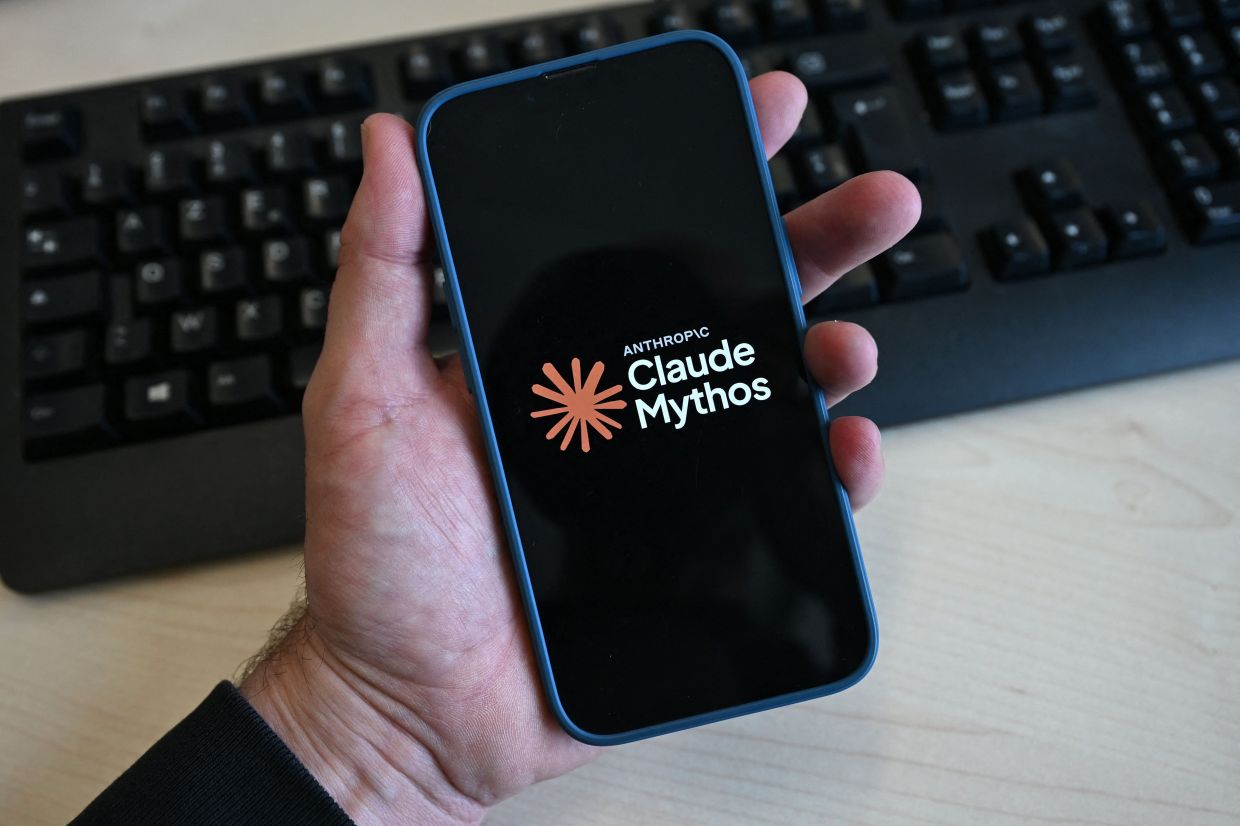
The San Francisco-based artificial intelligence company Anthropic announced Friday that the US Department of Commerce had directed it to discontinue access to Mythos 5 and Fable 5 models on national security grounds, without elaborating on the specific threat.
While Mythos 5 operated without restrictions and served only a handful of partner organisations, Fable 5 incorporated multiple layers of security measures designed to block potential misuse in cyberattacks and the creation of chemical or biological weapons. An unnamed third party reported to the Trump administration that it had discovered a method to circumvent Fable 5's protective systems. Several news organisations identified the organisation as Amazon. Anthropic characterised the vulnerability as relatively minor and the security gap as limited in scope.
The Commerce Department's directive specifically targeted foreign nationals, but because Anthropic could not reliably verify users' nationality, the company chose to withdraw both models from circulation entirely. Industry experts stressed that no previous US administration had issued an outright suspension of an advanced AI system created by a domestic company operating within the country.
Commentary from technology leaders revealed sharp divisions. Entrepreneur Martin Varsavsky warned that the order fundamentally alters how the sector operates, leaving frontier AI developers entirely dependent on government approval. Researcher Gary Marcus expressed concern that the move had undermined American competitiveness just as the nation competes with China for AI dominance. Others, including think tank members and policy analysts, criticised the abruptness and lack of advance consultation, arguing that proper regulatory channels existed for addressing safety concerns.
Anthropically tensions between Anthropic and Washington have deepened, with the Trump administration cancelling all government contracts with the company. CEO Dario Amodei had recently urged policymakers to strengthen frameworks for managing emerging AI risks, suggesting the company anticipated regulatory action. Mona Sloane, a University of Virginia professor specialising in technology policy, indicated that similar government-imposed model suspensions may occur as governments struggle to keep pace with rapid AI advancement and concentrated market power.