The United States has taken a significant diplomatic step by formally notifying Congress of funding for the International Stabilisation Force (ISF) designed to operate in Gaza, signalling Washington's commitment to implementing what it describes as President Donald Trump's comprehensive Middle East peace framework. The State Department confirmed on Thursday that it delivered this notification to Congress on July 30, characterising the move as preliminary funding that will support ongoing efforts through the Board of Peace, though officials declined to disclose specific financial figures at this stage.
The ISF represents a cornerstone element of Trump's ambitious 21-point peace plan, which envisions a phased Israeli military withdrawal from Gaza alongside disarmament of Hamas and other armed groups operating in the territory. According to Trump's announcement on July 31, the Board of Peace had reached an understanding with Hamas regarding complete disarmament, with the stabilisation force intended to operate alongside a reconstituted Palestinian police force to maintain security during the transition period. State Department spokesman Tommy Pigott emphasised Washington's determination to see the plan through to full implementation, noting that the initiative has already assembled what he characterised as a massive global coalition and resulted in the release of hostages.
However, the ambitious framework has encountered substantial headwinds, particularly from Israel's political leadership. Prime Minister Benjamin Netanyahu rejected key elements of the plan this month during a Cabinet meeting, declaring that Israeli military forces will not undertake any withdrawal from Gaza until Hamas has been demonstrably and completely disarmed. This position creates a fundamental tension within the proposed agreement, as Netanyahu's demand for confirmation of disarmament before withdrawal contradicts the phased approach outlined in Trump's roadmap. For Malaysian observers, this Israeli resistance underscores the persistent difficulties in negotiating Middle East peace settlements where fundamental security concerns diverge sharply between parties.
The role of Jared Kushner, Trump's son-in-law and senior White House advisor, has taken on heightened importance in recent days. Kushner travelled to the region this week for direct negotiations, first meeting with Hamas officials in Egypt before proceeding to Israel for discussions with Netanyahu. These talks were conducted alongside Nikolay Mladenov, the Board of Peace envoy, in a coordinated diplomatic push. Reports from the region suggest that fundamental disagreements persist, particularly regarding Israel's ongoing military operations in Gaza. According to media accounts, Kushner expressed opposition to Israel's continued strikes within Gaza, while Netanyahu insisted that such operations would continue unabated, revealing a stark divide on the question of military restraint during the peace process.
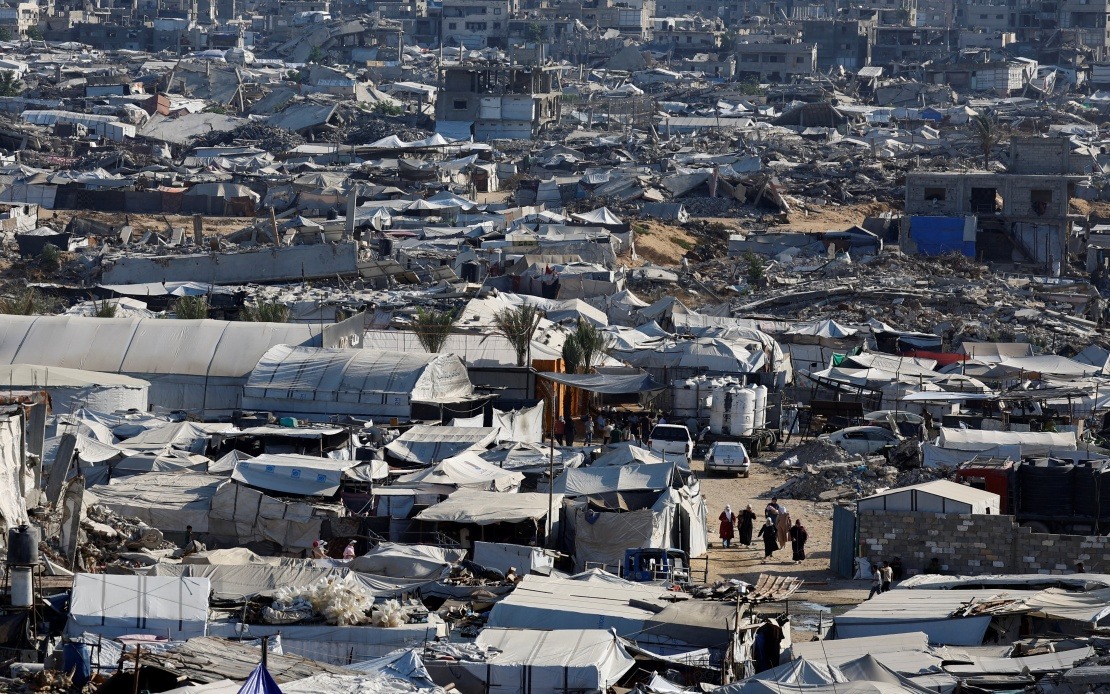
The humanitarian context surrounding these negotiations remains dire. A ceasefire agreement nominally took effect on October 10, 2025, yet Israeli operations have reportedly killed 1,283 Palestinians and wounded 4,248 others since that date, according to the Gaza Health Ministry's latest figures. These casualties highlight the fragility of the ceasefire and the challenge of maintaining peace agreements when military operations continue. The broader conflict, which began on October 8, 2023, has resulted in over 73,000 Palestinian deaths and more than 174,000 wounded, while destroying approximately 90 per cent of Gaza's infrastructure. For regional stakeholders including Malaysia, which has maintained humanitarian concerns throughout the conflict, these figures underscore the urgency and complexity of achieving genuine stability.
The disparity between the stated peace plan and ground realities illustrates a fundamental challenge in contemporary Middle East diplomacy: the difficulty of reconciling mutually exclusive security demands within a compressed timeframe. Netanyahu's insistence on complete disarmament verification before withdrawal creates a credibility problem, as Hamas and other groups cannot be expected to surrender weapons while facing continued military strikes. Conversely, the Israeli security establishment understandably fears that premature withdrawal could leave the country vulnerable. This chicken-and-egg dynamic has stalled previous peace efforts and remains unresolved in the current framework, suggesting that the Board of Peace faces an intricate puzzle requiring creative solutions or significant compromise from one or both sides.
Hamas has publicly stated its continued commitment to the roadmap, positioning itself as the more flexible party in the negotiations. This rhetorical stance serves Hamas's diplomatic interests by portraying Israel as the obstacle to peace, a narrative that carries weight in regional and international opinion. However, the credibility of Hamas's commitment remains contested, particularly given the organisation's historical rejections of various peace proposals and its ongoing involvement in armed activities. The question of whether Hamas genuinely intends to disarm entirely or merely to restructure its operations remains unresolved and central to the plan's viability.
For Southeast Asian nations monitoring developments in the Middle East, the US funding notification carries implications for regional peace architecture and the international community's role in conflict resolution. Malaysia, as a Muslim-majority nation with historical concern for Palestinian welfare, has watched these developments closely. The US commitment of resources signals Washington's investment in achieving a settlement, though whether financial backing can overcome the fundamental political obstacles remains uncertain. The international dimension of this effort, evidenced by the Board of Peace's global coalition, reflects a recognition that Gaza's stabilisation requires more than bilateral Israeli-Palestinian negotiations.
The technical challenge of deploying and sustaining an international stabilisation force amid ongoing conflict presents additional complications often overlooked in headline coverage. Such forces require cooperation from host governments, security guarantees, and clear rules of engagement. The ISF would need to establish presence in a territory where Hamas and other armed groups maintain operational capability, creating potential flashpoints. International forces of this nature have experienced mixed success in other post-conflict environments, from Cyprus to the Balkans, suggesting that the political agreement on withdrawal and disarmament must precede any realistic deployment of peacekeeping personnel.
The funding notification, while symbolically important as a commitment to the process, does not resolve the substantive disagreements that currently block implementation. The Board of Peace appears positioned to continue shuttle diplomacy and negotiations, with Kushner's regional engagement suggesting intensive diplomatic effort in the coming weeks. Whether these efforts can bridge the gap between Netanyahu's security requirements and the plan's structural provisions remains the critical question. For observers across Southeast Asia and beyond, the outcome will test whether contemporary international mediation can overcome the deep mistrust and competing security narratives that have repeatedly prevented Middle East peace agreements from taking root.

