The United States and Jamaica have formalised a significant military partnership aimed at combating narco-terrorism and organised drug trafficking throughout the Western Hemisphere. The bilateral agreement represents a strategic deepening of security cooperation between the two nations, with US Southern Command (SOUTHCOM) emphasising the importance of this renewed commitment to regional stability. The accord was formally announced by SOUTHCOM, which oversees all American military operations across Central America, South America, and the Caribbean—a region increasingly destabilised by powerful drug trafficking organisations.
General Francis L. Donovan, the commander of SOUTHCOM, characterised the partnership as building upon decades of established security relations between Washington and Kingston. In his statement, Donovan noted that the agreement represents a strategic escalation in joint efforts to counter cartel operations and address broader security threats affecting the Western Hemisphere. This framing reflects growing recognition within the Pentagon that traditional bilateral military arrangements require updating to address the unconventional threat posed by sophisticated criminal organisations with quasi-military capabilities.
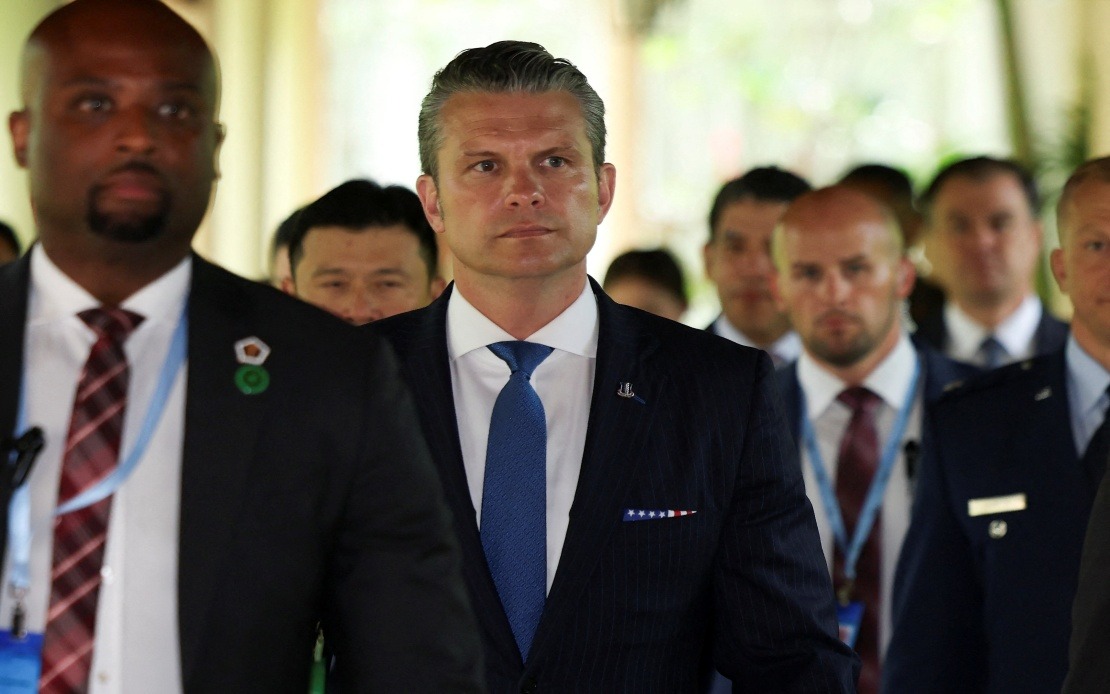
The timing of the agreement follows substantial diplomatic groundwork conducted at regional forums. In August, US Defence Secretary Pete Hegseth held substantive discussions with Jamaica's Deputy Prime Minister and Minister of National Security Horace Chang at the A3C anti-cartel conference held in Panama. These preliminary talks created the framework for the formal agreement now being implemented. The Panama gathering brought together defence and security officials from multiple nations committed to coordinating responses to transnational drug trafficking, demonstrating that the Jamaica-US accord fits within a broader multilateral strategy for hemispheric security.
This partnership gains particular significance in the context of Operation Southern Spear, which the US military launched in November 2025 specifically targeting major drug cartels operating throughout Latin America and the Caribbean. The operation represents a significant escalation in American military engagement against non-state criminal actors, moving beyond traditional counter-narcotics assistance to direct military operations. Jamaica's endorsement of this initiative underscores the extent to which Caribbean nations have become frontline states in the broader war on drug trafficking, with criminal syndicates using island territories and maritime routes for distributing narcotics to North American markets.
The scale of Operation Southern Spear operations demonstrates the intensity of the anti-cartel campaign now underway. Since September 2025, SOUTHCOM has conducted at least 67 separate strikes against vessels suspected of involvement in drug smuggling activities across both the Caribbean Sea and the Pacific Ocean. These operations have resulted in 221 deaths among suspected traffickers and associates. The figures underscore the militarised nature of contemporary counter-narcotics efforts, where naval interdiction has evolved into direct armed engagement with criminal organisations operating advanced maritime vessels and sophisticated smuggling networks.
For Jamaica specifically, this agreement holds particular strategic importance given the island nation's geographic position along major drug trafficking corridors connecting South American production zones with North American consumption markets. Jamaica faces substantial internal challenges from criminal organisations utilising the country as a transshipment point and operational base. Gang violence, gun trafficking, and cocaine distribution networks have severely impacted public security on the island, making international military cooperation increasingly vital to Jamaica's domestic stability and governance capacity. The formalisation of this agreement signals Kingston's willingness to permit enhanced American military presence and operational involvement in addressing these threats.
The agreement also reflects evolving perceptions within the Pentagon regarding maritime security in the Western Hemisphere. Drug trafficking organisations have invested heavily in acquiring advanced vessels, including semi-submersibles and fast attack craft, enabling them to evade traditional coast guard interdiction. The militarised response coordinated through SOUTHCOM represents a strategic decision to match the operational capabilities and technological sophistication of major trafficking networks. Jamaica's participation in this framework indicates alignment with this security paradigm and willingness to support American operations within and around Jamaican territorial waters.
From a regional perspective, the US-Jamaica accord carries implications for other Caribbean nations navigating the tension between sovereignty concerns and practical security requirements. Several Caribbean states host American military personnel and installations but remain sensitive to perceptions of external intervention. Jamaica's relatively open embrace of enhanced bilateral military cooperation may influence other nations' calculations regarding their own security partnerships with Washington. Simultaneously, the operation's apparent acceptance by multiple hemispheric governments suggests growing consensus that traditional international law enforcement mechanisms prove inadequate for addressing the scale and sophistication of contemporary drug trafficking operations.
The agreement also intersects with broader questions about the effectiveness of military approaches to drug trafficking. While Operation Southern Spear generates significant tactical successes measured in vessel interdictions and personnel casualties, critics argue that military operations against drug organisations absent comprehensive approaches addressing demand, production, and distribution networks offer limited strategic value. Jamaica's participation in this framework alongside its own domestic drug policy efforts suggests an attempt to pursue complementary strategies, though the relative emphasis on militarised versus public health approaches to narcotics remains contested among regional policymakers.
For Malaysian and Southeast Asian observers, the US-Jamaica accord demonstrates how hemispheric security challenges drive deepening military partnerships outside traditional Cold War frameworks. While the specific narco-terrorism threats differ substantially from those in Southeast Asia, the operational model of enhanced bilateral military cooperation, increased American military presence, and militarised approaches to transnational criminal threats offers instructive parallels. Southeast Asian nations face comparable challenges from sophisticated transnational criminal networks, though focused on different illicit commodities and routes. The Jamaica case illustrates how security imperatives can override sovereignty concerns and generate acceptance of external military involvement even among nationalist political communities.

