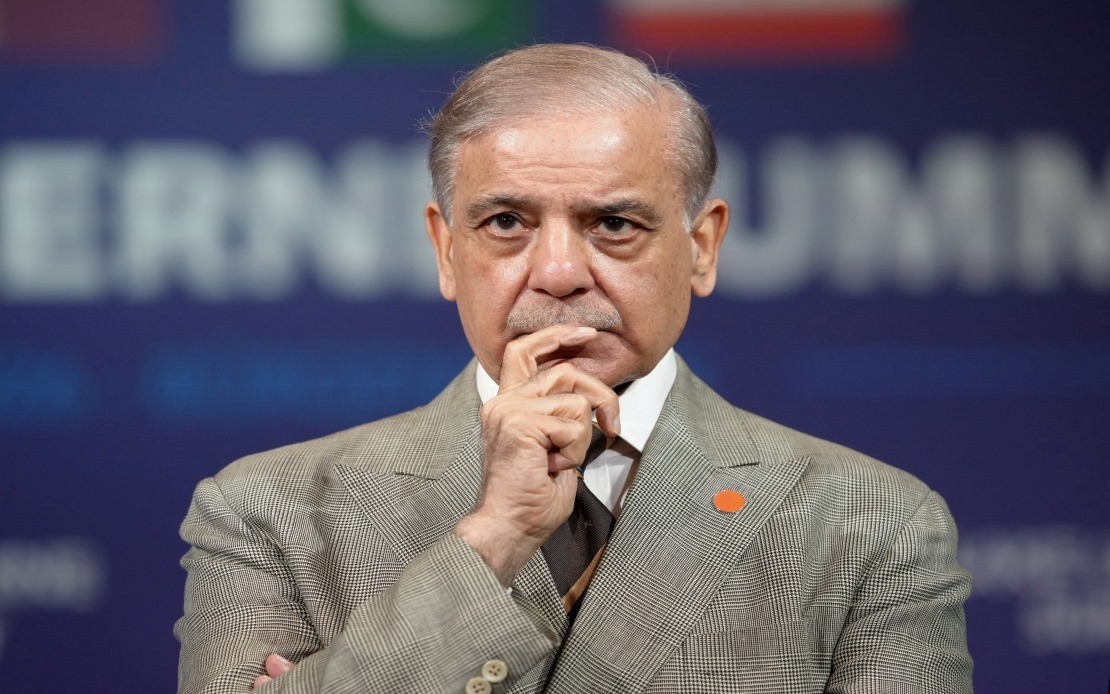
Pakistan's Prime Minister Shehbaz Sharif has announced that the United States and Iran will enter into comprehensive technical negotiations spanning the next 60 days to advance their stalled diplomatic engagement. Speaking in the National Assembly in Karachi on Tuesday, Sharif outlined the contours of a renewed diplomatic effort following what he characterized as successful preliminary talks held in Switzerland, signalling a potential thaw in decades-long tensions between the two nations.
The framework for these discussions stems from the Islamabad Memorandum of Understanding, which both Washington and Tehran signed on June 17, with Pakistan serving as an official mediator alongside Qatar. Sharif told lawmakers that the forthcoming phase of negotiations would address three critical areas: the nuclear dimensions of Iran's programme, the unfreezing of Iranian assets held internationally, and the ballistic missile capabilities that have long concerned the United States and its regional allies. The Pakistani premier expressed cautious optimism that the initial MoU could evolve into a comprehensive, durable agreement within the 60-day window.
For regional observers and Southeast Asian policymakers tracking Middle Eastern developments, the resumption of direct technical talks carries significant implications. Any stabilization of US-Iran relations would alter the geopolitical calculus across the broader Middle East, potentially affecting energy markets, security arrangements, and the activities of proxy forces that have destabilized the region for years. The involvement of Pakistan and Qatar as mediators also underscores how key players outside the immediate dispute zone have positioned themselves as indispensable diplomatic interlocutors.
However, Iran's Foreign Ministry has already signalled potential obstacles to a swift resolution. Spokesman Esmaeil Baghaei stated categorically that Tehran's missile programme has never formed part of negotiations with Washington, and indicated that Iran views such discussions as outside the scope of what it will consider. This caveat suggests that one of the three pillars Sharif identified may face substantial resistance from the Iranian side, potentially complicating efforts to reach agreement within the compressed timeframe.
Baghaei further clarified that Iran will not permit International Atomic Energy Agency inspectors to access nuclear facilities that were targeted during military strikes attributed to the United States and Israel. This position represents a significant red line that Tehran has maintained, as it views such inspections at previously attacked sites as intrusive verification measures that violate its sovereignty. The refusal to grant such access could become a major sticking point in negotiations over nuclear verification and confidence-building measures.
The Switzerland talks, which concluded on Monday in Burgenstock, achieved several preliminary understandings despite these evident areas of disagreement. Both sides endorsed various procedural mechanisms designed to move the negotiation process forward, suggesting that beneath the public posturing, negotiators may have identified sufficient common ground to warrant continued engagement. The establishment of technical working groups and agreed timelines indicates a structured approach to tackling the substantive issues dividing Washington and Tehran.
From a Southeast Asian perspective, the implications of US-Iran rapprochement merit close attention. Malaysia and other ASEAN members maintain commercial and diplomatic ties with both parties and would benefit from regional stability. Reduced US-Iran tensions could moderate American military posturing in the Middle East and Indian Ocean, potentially easing pressure on regional shipping lanes and commercial routes vital to Southeast Asian trade. Conversely, if negotiations collapse, the resulting escalation could trigger energy price shocks and security disruptions affecting the entire region.
The role of Pakistan in mediating these talks reflects Islamabad's traditional aspirations to position itself as a bridge between the Muslim world and the West, even as its own relationship with the United States remains complicated by divergent interests in Afghanistan and elsewhere. Pakistan's investment in this mediation effort suggests Sharif's government views diplomatic progress as potentially beneficial to its own strategic interests, particularly regarding regional stability and economic cooperation.
The 60-day timeline represents both an opportunity and a pressure point. A compressed negotiating schedule could force constructive compromises, but equally risks pushing parties toward deadlines without resolving fundamental disagreements about the scope and nature of verification, sanctions relief, and security guarantees. The technical talks ahead will reveal whether the preliminary agreement reached in Switzerland was a genuine breakthrough or merely a diplomatic pause in an otherwise intractable dispute.
Observers should note that Iranian officials have consistently emphasized that their ballistic missile programme remains non-negotiable, viewing these weapons systems as essential to national deterrence given the threats posed by better-armed regional rivals and the United States itself. This fundamental asymmetry in how Washington and Tehran view missile negotiations suggests that expectations for progress on this particular issue should remain modest, even as diplomatic engagement continues on other fronts.
As the next 60 days unfold, the international community will be watching for signals about whether tangible progress emerges from the technical committees or whether familiar patterns of diplomatic stalemate reassert themselves. For Malaysian policymakers and businesses, developments in these talks warrant monitoring, as they carry potential consequences for everything from petroleum markets to regional security architecture to the broader trajectory of US-led alliance systems in Asia.