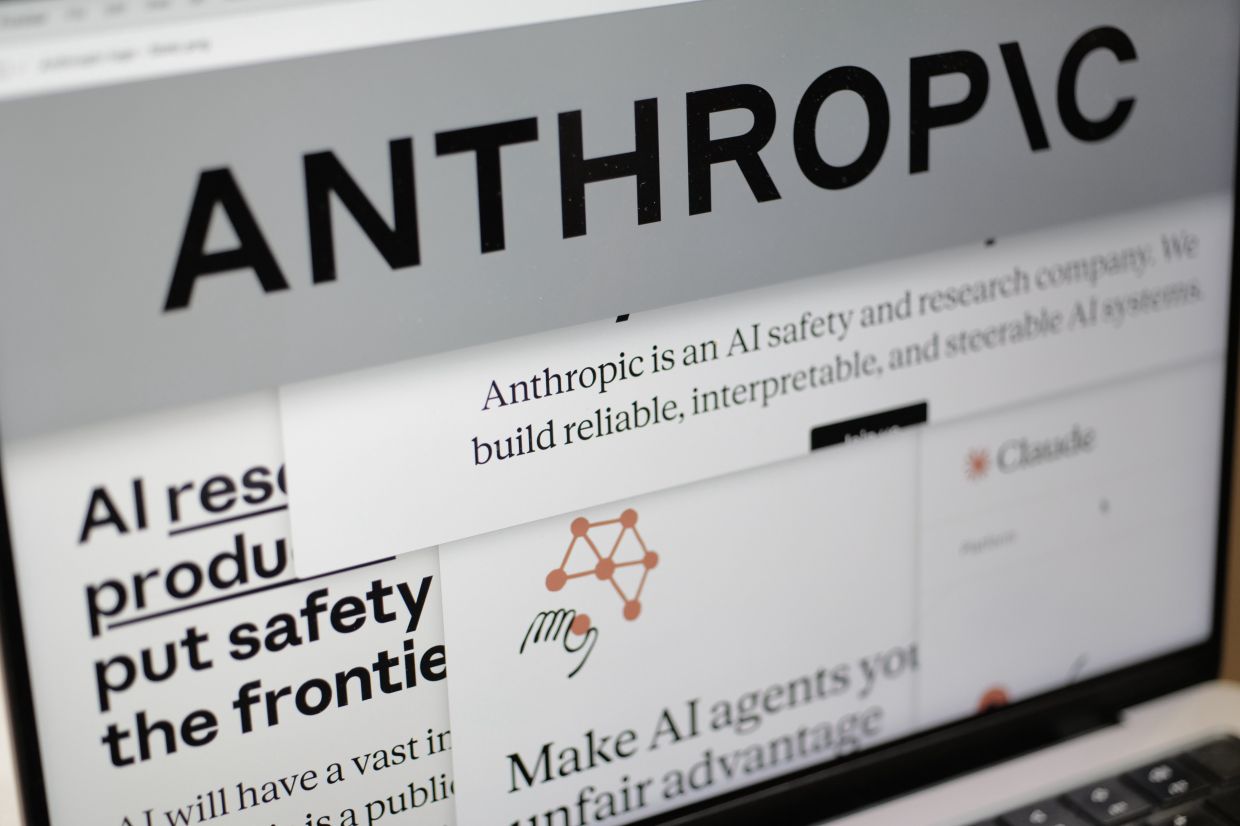
Legion, a litigation-technology startup headquartered in the United States, has initiated legal proceedings against the federal government in Washington's federal court, challenging export restrictions that have barred it from accessing Anthropic's most sophisticated artificial intelligence systems. The lawsuit, filed on June 23, emerges directly from the Trump administration's executive order requiring Anthropic PBC—the company behind the Claude and Mythos AI platforms—to restrict foreign nationals' access to its cutting-edge technology. The timing is particularly significant, as Anthropic had disabled access to Fable 5 and Mythos 5, its most advanced models, just days earlier in compliance with the government directive.
Legion's predicament reflects a broader tension in the modern technology landscape, where global talent pools and cross-border collaboration have become fundamental to innovation. The company, which develops software tools designed to streamline legal work, operates with a distributed workforce that includes Canadian nationals working remotely from Canada. This multinational composition, once merely a reflection of contemporary business practices, has suddenly become a compliance liability. The firm argues that Anthropic's decision to sever access to Fable 5 represents an immediate catastrophe for its operations, eliminating what it characterises as the cornerstone of its entire product development strategy.
The legal filing articulates a compelling economic argument about the velocity of artificial intelligence advancement. Legion contends that the damage inflicted is not merely financial but fundamentally existential, rooted in the hypercompetitive nature of AI development where access to the most capable tools determines market positioning. The company emphasises that each day the restriction remains in force translates into operational disruption, idle engineering resources, and cumulative competitive disadvantage that cannot be recovered even after access is restored. This claim speaks to a critical reality in the AI sector: technological progress moves at such a rapid pace that temporary displacement from the cutting edge can result in permanent market disadvantage.
The Commerce Department, under Secretary Howard Lutnick, had previously communicated the administration's position directly to Anthropic Chief Executive Officer Dario Amodei through formal correspondence. The letter established that any export of Fable 5 and Mythos 5 models, whether shipped physically outside the United States or made accessible to foreign nationals regardless of location, would require explicit government authorisation. This expansive interpretation of export control extends beyond traditional notions of physical goods crossing borders to encompass digital access and remote collaboration—a distinction that complicates the practical implementation of technology work in an increasingly distributed world.
For Malaysian and Southeast Asian technology observers, this development carries significant implications. The precedent being established in American courts could influence how regional governments approach AI regulation and foreign participation in critical technology sectors. If Legion succeeds in its challenge, it may signal that blanket restrictions on foreign national access to advanced AI are legally vulnerable. Conversely, if the courts uphold the government's authority, it would reinforce a trend toward more stringent technology nationalism that could reshape how multinational tech companies operate throughout the region. Southeast Asian nations, many of which are building their own AI sectors while attracting international talent, will be watching closely to understand how the balance between national security and economic openness is being struck.
Anthropc's response to the situation has been notably diplomatic, with company representatives expressing gratitude to the administration for its efforts to resolve the matter expeditiously. The statement reaffirms the company's commitment to collaborating with government officials to achieve mutual objectives around infrastructure protection and American technological leadership. This measured tone suggests ongoing negotiations between Anthropic and the administration, potentially indicating that a resolution may be in the works, though the company has made no public announcements confirming such discussions.
The Commerce Department and White House have not formally responded to inquiries about the lawsuit or indicated whether they intend to modify the export control directive. This silence could reflect a deliberate strategy of allowing the legal process to unfold without public commentary, or it might indicate that government officials are focused on behind-the-scenes discussions with affected companies. The absence of immediate official reaction suggests the matter may be treated as a technical legal issue rather than a high-stakes policy confrontation, though that assessment could change if the case gains prominence or if additional companies file similar challenges.
The broader policy context involves the Trump administration's stated objective to maintain American supremacy in artificial intelligence development and deployment. The export controls represent an attempt to prevent advanced AI capabilities from reaching foreign competitors, particularly those in countries perceived as strategic rivals. However, the blunt instrument of restricting access by foreign nationals creates significant complications for the modern software industry, where remote work, distributed teams, and global recruitment have become standard practice. The challenge Legion raises essentially forces a reckoning with how rigidly national security concerns should constrain ordinary business operations.
From an international trade perspective, these restrictions could trigger responses from other nations and may contravene certain agreements around technology transfer and non-discriminatory treatment. The European Union and other trading partners have previously raised concerns about American technology protectionism, and this case could become a focal point for broader discussions about fair treatment in AI markets. For companies operating across multiple jurisdictions, the uncertainty created by such restrictions introduces significant operational risk and potentially raises the cost of doing business with American technology providers.
The outcome of Legion's lawsuit will likely influence how other affected companies respond to similar restrictions. If the court rules in Legion's favour, it could create pressure on the administration to narrow the scope of export controls or implement exemptions for certain categories of foreign nationals. If the court upholds the government's authority, Legion and comparable firms will need to restructure their operations to comply, potentially by relocating foreign staff, segregating development teams, or shifting away from Anthropic's models entirely. Either outcome will reshape the competitive landscape for AI services and the practical possibilities for international collaboration in this crucial technology domain.
The case also highlights tensions between different conceptions of national security in the AI age. Traditional export control frameworks were designed for physical goods with limited distribution channels, but artificial intelligence exists in a fundamentally different medium. Once capabilities are encoded in software, restricting access through legal restrictions alone becomes extraordinarily difficult, particularly when talented individuals with knowledge of the systems can work across borders. This structural challenge may ultimately force policymakers to develop more sophisticated approaches to protecting sensitive technology while preserving the collaborative ecosystem that drives innovation.

