Anthropic, a San Francisco-based AI company, has withdrawn its latest models—Fable 5 and Mythos 5—from circulation following directives from the Trump administration prohibiting their use by foreign nationals. The action represents the US government's most aggressive move yet to constrain access to cutting-edge AI technology. Anthropic had just launched Fable, a scaled-down version of the more potent Mythos model, which the firm has kept under strict limitations owing to cyber security concerns.
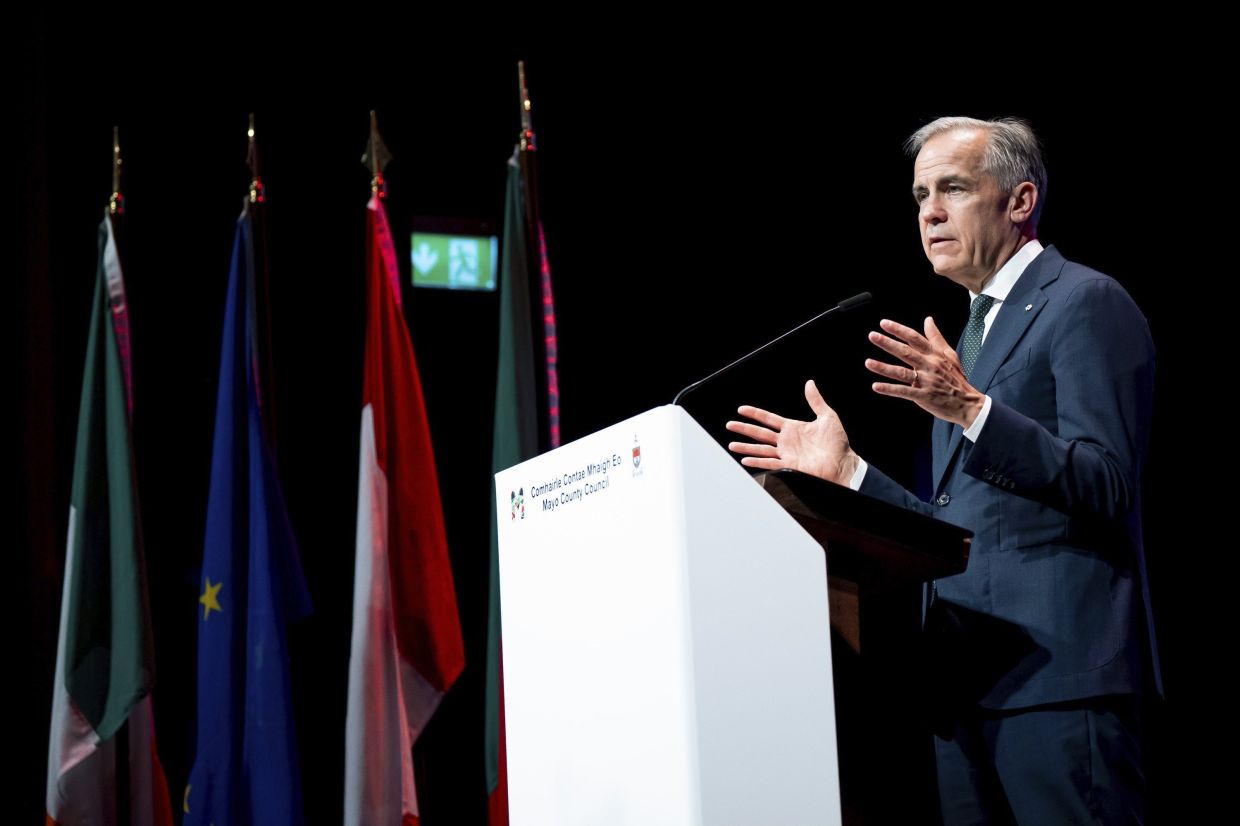
Canadian Finance Minister Mark Carney seized on the situation to underline broader vulnerabilities in the global AI landscape. Speaking in Ireland ahead of the G7 summit scheduled for Evian-les-Bains, France, Carney stressed that reliance on a single source of advanced technology creates dangerous exposure. He emphasised the importance of building alternative capabilities and expanding technological options rather than accepting dependency on any single provider. Artificial intelligence is expected to feature prominently in discussions at Monday's summit gathering.
Anthropric unveiled Mythos on April 7, describing it as remarkably sophisticated to the extent that access has been restricted to a select clientele. The model's capacity to identify and exploit computer vulnerabilities at a level surpassing human cyber specialists prompted the company to exercise exceptional caution. Carney reiterated his conviction that maintaining multiple competitive options in critical technology sectors remains essential for national and global stability.
Carney held a 45-minute discussion with French President Emmanuel Macron on Friday evening regarding artificial intelligence strategy. He cautioned that the G7 summit would not deliver quick solutions, given the intricate nature of the policy challenges involved. He drew parallels between the US AI export curbs and Canada's own strategy to reduce trade concentration, noting that over 70 per cent of Canadian exports currently flow to the United States. The Canadian government has established a target to double exports to non-US markets within the next decade, though trade tensions have dampened investment momentum.
Trade discussions between Canada, the United States, and Mexico—centred on the renewal of their free trade agreement—will proceed through official negotiators rather than bilateral meetings between top leaders. Dominic LeBlanc, Canada's US trade minister, along with chief negotiator Janice Charette, will engage with US Trade Ambassador Jamieson Greer and Treasury Secretary Scott Bessent during the Evian summit. Carney indicated this delegation-level approach represents the appropriate mechanism at this stage of negotiations.