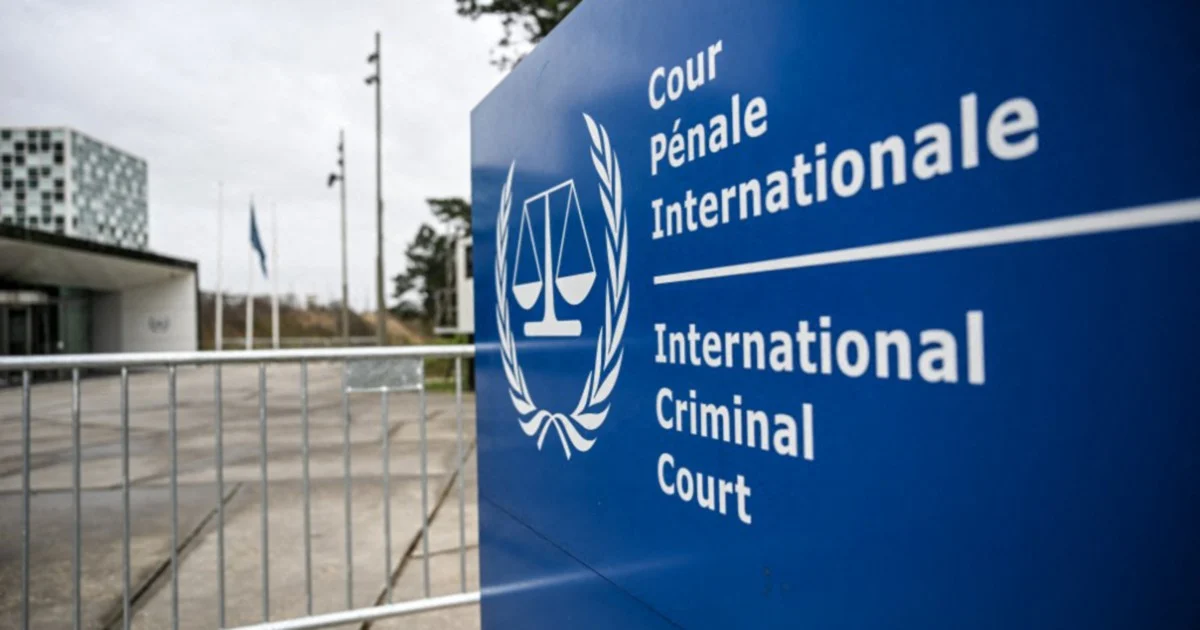
Two United States-based advocacy groups have filed a lawsuit challenging the Trump administration's sanctions regime targeting the International Criminal Court, claiming the measures violate fundamental constitutional protections for free speech and expression. The legal filing emerged on Wednesday as American diplomats intensified efforts to weaken or dissolve the international tribunal, marking an escalation in the administration's confrontation with the institution.
The lawsuit represents a significant constitutional challenge to the executive branch's authority to impose punitive measures against foreign organizations and their affiliates. The advocacy groups contend that the sanctions framework effectively silences American citizens and civil society organizations from engaging in legitimate speech and advocacy work related to the ICC, a foundational principle protected under the First Amendment. This argument hinges on the premise that restrictions on financial transactions, communications, and cooperation with the court prevent domestic organizations from freely expressing support for international justice mechanisms.
The Trump administration's recent diplomatic campaign has focused on pressuring international partners to withdraw from the ICC, withdraw support for ongoing investigations, and reduce funding to the institution. American officials have argued that the court overreaches its authority and unfairly targets nations that are not signatories to the Rome Statute, including the United States itself. This foreign policy posture reflects longstanding American skepticism toward international courts and multilateral mechanisms that could potentially impose constraints on US policy decisions.
The ICC, headquartered in The Hague, Netherlands, operates as an institution of last resort for prosecuting individuals responsible for crimes against humanity, genocide, and war crimes when national courts are unwilling or unable to act. The United States has historically maintained a complex relationship with the court, never ratifying the Rome Statute while occasionally cooperating on specific matters. The current administration's confrontational approach represents a significant departure from previous diplomatic nuance and represents a broader retreat from international institutional frameworks.
For Malaysian and Southeast Asian observers, this dispute carries particular relevance given the region's complex relationship with international justice mechanisms. Several Association of Southeast Asian Nations member states have ratified the Rome Statute, including Cambodia, Timor-Leste, and the Philippines, making them accountable to ICC jurisdiction. The Trump administration's efforts to undermine the court could have cascading effects on regional attitudes toward international accountability frameworks, potentially emboldening states to withdraw or reduce cooperation with institutions designed to protect civilians during armed conflict.
The advocacy groups behind the lawsuit argue that the sanctions effectively function as a content-based restriction on speech by making it financially impossible for American citizens and organizations to support or cooperate with the ICC. They emphasize that many civil society organizations depend on financial transactions and institutional relationships to conduct investigative work, provide legal representation to victims, and advocate for international justice principles. By restricting these activities through economic sanctions, the administration arguably chills legitimate political expression protected under constitutional law.
Constitutional scholars have long debated the tension between executive authority in foreign affairs and domestic civil liberties protections. While courts traditionally grant significant deference to presidential decision-making on international matters, the First Amendment remains a substantial constraint on governmental power. The lawsuit forces a judicial examination of whether and when sanctions imposed for foreign policy reasons can cross the constitutional line into unconstitutional speech suppression.
The administration's diplomatic offensive extends beyond sanctions, encompassing direct pressure on ICC member states to modify their participation and support. American negotiators have reportedly engaged with numerous countries to discuss withdrawal from the Rome Statute or conditions under which they would limit ICC authority. This multi-pronged approach suggests a comprehensive strategy aimed at fundamentally altering the institution's operations and legitimacy on the international stage.
Within American domestic politics, the lawsuit reflects ongoing tensions between the executive branch and civil society organizations regarding the proper scope of foreign policy tools. Advocacy groups argue that even in matters of national security and international relations, constitutional constraints remain applicable and courts have responsibility to enforce them. The Trump administration's perspective emphasizes the primacy of national interest in shaping international engagement and argues that ICC cooperation conflicts with American sovereignty.
The coming weeks will determine whether the lawsuit proceeds through the courts or whether the administration seeks dismissal on various procedural grounds, including questions about standing and justiciability. If the case advances, it could establish important precedent regarding the intersection of constitutional rights and foreign policy, with implications extending far beyond the ICC question itself.
For Southeast Asia, the outcome matters considerably given the region's developing relationship with international accountability mechanisms. Thailand, Myanmar, and other nations have faced ICC scrutiny or potential investigations, creating domestic political sensitivities around the institution. The Trump administration's campaign to delegitimize the court could alter how regional governments calculate their relationship with international justice systems and whether they view such institutions as credible or politically motivated.
The lawsuit ultimately reflects deeper questions about how constitutional democracies balance competing interests between international engagement and domestic values. The advocacy groups' legal challenge forces examination of whether free speech protections apply with full force even when foreign policy considerations are at stake, or whether national security and international relations occupy a special constitutional realm with diminished ordinary protections.

