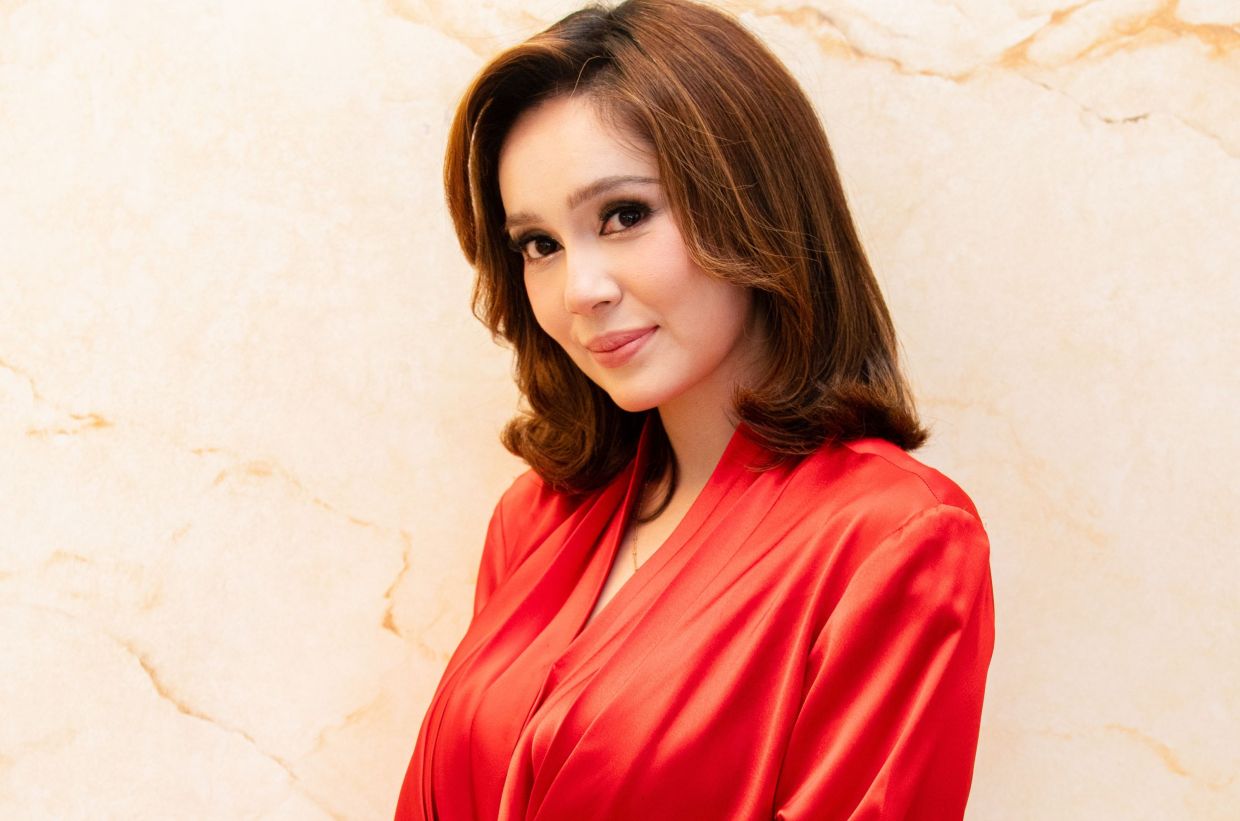
Actress Uqasha Senrose has publicly defended her professional collaboration with co-star Aliff Aziz, choosing to set aside the actor's highly publicised marital troubles to focus on their shared project. The decision reflects a pragmatic approach to entertainment industry partnerships, particularly in the Malaysian context where personal scandals frequently dominate public discourse and can overshadow creative work. Uqasha's stance offers insight into how Malaysian entertainers navigate complex social pressures whilst maintaining career momentum.
Aliff Aziz became the subject of intense public scrutiny in March 2024 when he was implicated in a khalwat incident, leading to his separation and subsequent divorce from Malaysian singer-actress Bella Astillah. The couple shared two children at the time of their split, and the breakdown played out extensively across local media and social platforms. The controversy represented one of Malaysia's more prominent celebrity marriage collapses in recent years, drawing comment from audiences invested in the personal lives of public figures.
Despite this context, Uqasha rejected the notion of professionally ostracising her colleague based on his personal circumstances. Her remarks reveal a measured philosophical perspective grounded in empathy and self-awareness. She acknowledged her own imperfections and cautioned against moral arbitration of others' private struggles, suggesting that everyone carries past mistakes and operates within their own limitations. This humanistic framing stands apart from the tendency to permanently brand entertainers following scandals.
The actress emphasised that throughout the production process, Aliff conducted himself with professionalism and maintained appropriate work standards. She observed that he arrived on set, completed his responsibilities, and created no interpersonal difficulties that would have compromised the shooting environment. Her assessment focused strictly on workplace conduct rather than the narrative surrounding his personal life, drawing a clear boundary between private conduct and professional capacity.
Uqasha articulated a principle central to her approach: the importance of protecting colleagues' means of livelihood. She framed the project as work for both parties—neither more nor less—and refused to weaponise her position to deny him employment opportunities. This reflects broader questions about accountability, redemption, and reintegration within the entertainment sector, particularly in societies where public censure can have lasting professional consequences.
Interestingly, Uqasha herself was navigating significant personal upheaval during this period. She had initiated divorce proceedings with former husband and actor Kamal Adli in October 2025, with the separation finalised in January 2026. The couple share a daughter. During the proceedings, Uqasha raised allegations of domestic abuse, claims Kamal disputed. Her own recent experience with marital breakdown and legal proceedings positioned her in a place of genuine understanding regarding personal difficulty and public exposure.
The series they collaborated on is a 12-episode production centring on polygamous marriage, with the narrative involving three principals: Aliff's character Adli, Uqasha's character Azura, and Elisya Sandha's character Nikita. The thematic material directly engages with relationship complexity, trust, and navigating unconventional domestic arrangements. Given the subject matter, Uqasha's personal circumstances might have created temptation to import lived experience into her portrayal.
However, Uqasha deliberately resisted conflating her own marital experiences with her character's emotional journey. She recognised that doing so would compromise her ability to authentically inhabit Azura as a distinct person with her own narrative arc, separate from Uqasha's reality. This professional discipline reflects her understanding that emotional authenticity in performance requires creative distance rather than direct biographical mining. The distinction she maintained between actress and character underscores her commitment to craft.
The role itself proved emotionally demanding. Azura navigates significant trauma and faces multiple tests throughout the series narrative. Uqasha described scenes involving physical contact such as being struck and dragged, alongside sustained emotional sequences requiring tears and vulnerability. She acknowledged moments when she genuinely accessed her character's pain, suggesting that emotional investment and character separation are not mutually exclusive states. The intensity of the material clearly affected her despite her intentional boundary-setting.
Uqasha articulated appreciation for the series' moral complexity. Rather than presenting characters as straightforwardly virtuous or corrupt, the narrative explores how appearances deceive and hidden motivations complicate judgment. Individuals perceived as benevolent may lack genuine kindness, whilst those appearing callous may have understandable reasons for their conduct. This nuanced approach to characterisation aligns with her own mature perspective on human behaviour and accountability.
Moving forward, Uqasha expressed commitment to prioritising her own wellbeing alongside her professional ambitions and parental responsibilities. She framed her accumulated life experience—including relationship failures, public scrutiny, and legal proceedings—as sources of growth and maturity. Her reflections on motherhood revealed how parental responsibility has expanded her perspective beyond self-interest, creating what she describes as obligations transcending personal concern. This trajectory suggests an entertainer actively processing difficult experiences into wisdom.
Uqasha's position on working with Aliff Aziz ultimately reflects a mature philosophy about human complexity and professional ethics. Rather than participating in permanent cancellation or moral exclusion, she demonstrates how separation of professional competence from personal conduct allows industry relationships to function. Her willingness to articulate this perspective, particularly whilst managing her own significant personal transitions, offers Malaysian audiences a counternarrative to the tendency toward swift public judgment. In doing so, she models a more forgiving, contextualised approach to celebrity accountability.

