The United Kinabalu Progressive Organisation (UPKO) has officially entered the fold of Gabungan Rakyat Sabah (GRS), cementing a significant realignment in the state's political landscape. The acceptance of UPKO's membership application, formally received on June 18, signals the coalition's continued expansion and consolidation of support among Sabah's indigenous political movements. UPKO's entry marks a pivotal moment for the coalition, which now encompasses six locally-based parties working under the umbrella of state-level governance.
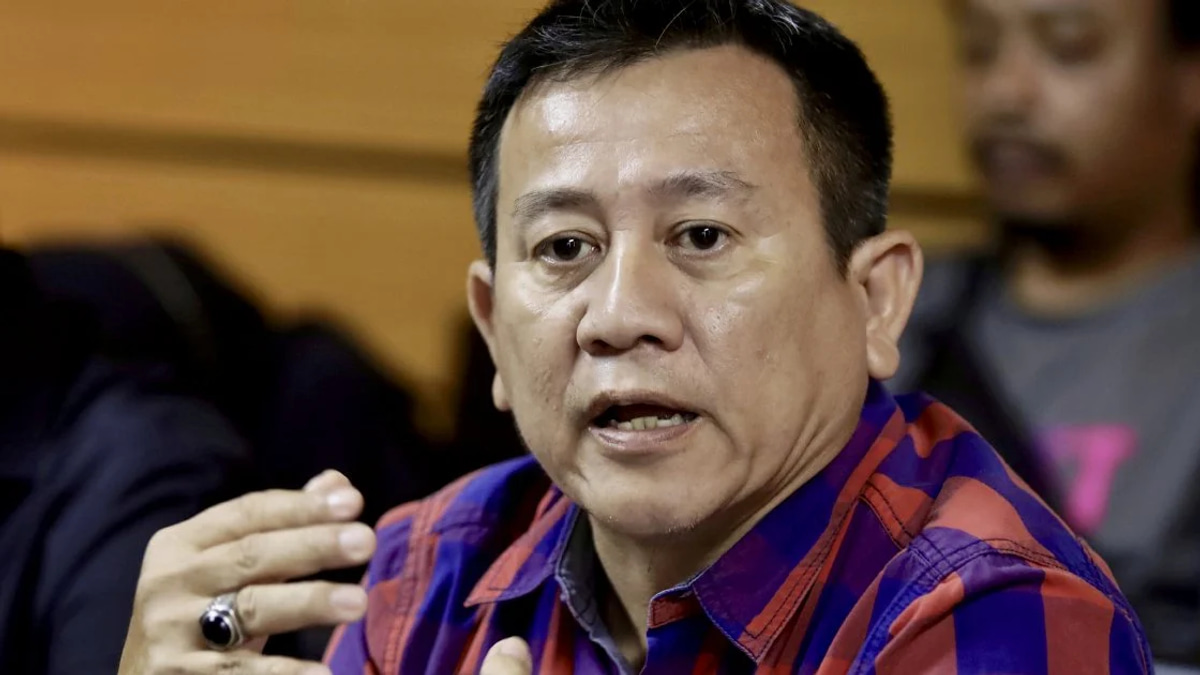
UPKO President Datuk Ewon Benedick, who also serves as Sabah Deputy Chief Minister, announced the party's commitment to advancing GRS's broader agenda of strengthening state administration and spearheading economic development initiatives. His statement reflects the strategic importance of the move, positioning UPKO not merely as an additional member but as an active contributor to the coalition's capacity to govern effectively. The timing of this announcement underscores ongoing efforts to consolidate political forces within Sabah and present a united front heading into future electoral contests and policy implementation phases.
Ewon's remarks emphasised GRS's unique standing as Sabah's sole coalition exclusively composed of locally-rooted political parties, distinguishing it from national coalitions that operate across Malaysia. This characterisation carries significant weight in Sabah's political context, where state-level identity and autonomy remain central concerns for voters and political actors alike. By highlighting GRS's exclusively local composition, Ewon implicitly argued that only regionally-based parties possess the institutional knowledge and cultural understanding necessary to effectively champion Sabah's interests within federal structures.
The president specifically referenced the Malaysia Agreement 1963, a foundational constitutional instrument that established Sabah's entry into the Malaysian federation on specific terms regarding autonomy, resource management, and governance rights. This invocation was deliberate, signalling that GRS's political platform rests upon defending and advancing the state's constitutional bargain and the special provisions negotiated during formation of Malaysia. For many Sabahans, particularly those concerned about federal encroachment on state prerogatives, this framing provides assurance that GRS components prioritise protection of regional interests.
Chief Minister Datuk Seri Hajiji Noor's acceptance of UPKO's application, in his dual capacity as GRS chairman and member of the coalition's Supreme Council, demonstrates centralised leadership over the coalition's strategic direction. Ewon's public gratitude to Hajiji reflected the hierarchical nature of coalition management, acknowledging the Chief Minister's authority in admitting new members and setting the coalition's political course. This structure ensures that the coalition maintains coherence around Hajiji's vision for state development and administration.
UPKO's integration into GRS expands the coalition's reach across different demographic and geographic constituencies within Sabah. The party's membership brings additional parliamentary representation, grassroots organisational capacity, and political networks that strengthen GRS's ability to mobilise voters and implement governance initiatives. From a strategic perspective, consolidating these six parties under a single coalition reduces political fragmentation and creates a more streamlined decision-making structure for state-level policymaking.
The coalition's expanded membership now includes Parti Gagasan Rakyat Sabah, Parti Bersatu Sabah, Parti Liberal Demokratik, Parti Harapan Rakyat Sabah, and Parti Cinta Sabah alongside UPKO. Each component brings distinct constituencies and historical constituencies within Sabah's fractious political ecosystem. This diversity could strengthen GRS by broadening its appeal but also presents management challenges as coalition leaders navigate divergent interests and political preferences among constituent parties.
Ewon's call for all Sabahans to unite behind GRS's vision of "Sabah First, Sabah Prosper, Sabah United" represents an attempt to transcend partisan divisions and frame the coalition's agenda in terms of collective state interest rather than narrow party advantage. This messaging strategy aims to elevate GRS above regional factional rivalries by emphasising development outcomes and state-level solidarity. Whether this aspirational framing resonates with voters increasingly depends on whether GRS delivers tangible improvements in infrastructure, economic opportunities, and government services across Sabah's diverse regions.
For Malaysian readers outside Sabah, UPKO's entry into GRS illuminates the complexity of state-level coalition-building within Malaysia's federal system. While national coalitions like Barisan Nasional and Pakatan Harapan dominate media attention, state-specific alliances like GRS demonstrate how regional political actors pursue power through locally-configured arrangements that reflect regional histories, constitutional arrangements, and voter preferences. Sabah's experience shows that federal political dynamics cannot be fully understood without attending to state-level developments.
The consolidation of GRS also carries implications for Sabah's federal positioning. A stronger, more unified state coalition enhances the Chief Minister's bargaining power with federal authorities over resource allocation, policy implementation, and recognition of state-level concerns. Conversely, weakening federal oversight through empowering strong state coalitions can create tensions within Malaysia's federal framework, as demonstrated by ongoing debates over state autonomy and federal authority in areas like taxation, land policy, and natural resource management.
Looking forward, UPKO's membership establishes new questions about coalition stability and internal management. Political coalitions in Malaysia's state contexts frequently experience member defections, internal disputes over resource distribution, and leadership conflicts that destabilise governance arrangements. The durability of GRS with six components will depend on whether coalition leadership can manage these inevitable tensions while maintaining sufficient unity to present coherent governance to Sabahan voters and federal authorities.
The broader significance of this development extends to Malaysia's regional political economy. Sabah's status as a major source of palm oil production, timber resources, and tourism revenue means that effective state-level governance directly impacts national economic performance and federal revenue streams. GRS's consolidation thus carries implications beyond state boundaries, influencing how federal-state relations evolve and how Malaysia's natural resource wealth is managed. For Southeast Asia observers, Sabah's political developments also reflect broader regional trends toward strengthening subnational governance capacity and asserting regional identities within larger political frameworks.