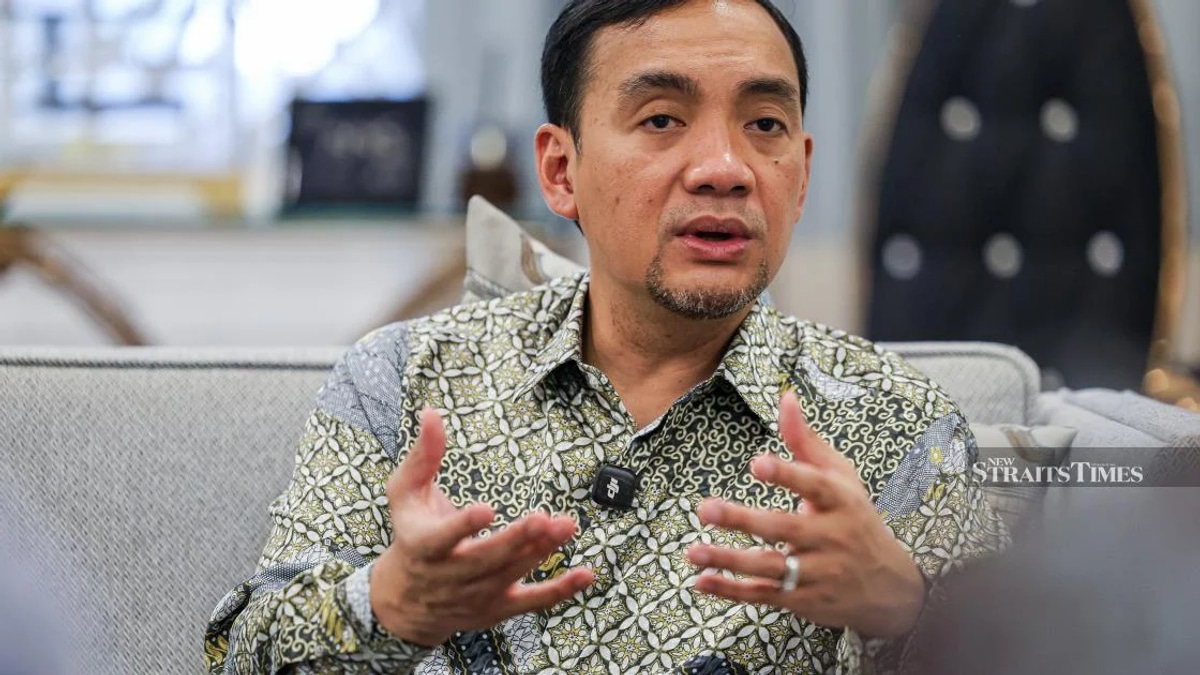
Allegations that tens of thousands of students have secured spots at Malaysian public universities through unauthorised means represent a fundamental threat to the nation's higher education system, according to Higher Education Minister Datuk Seri Dr Zambry Abd Kadir. The claims—suggesting between 30,000 and 60,000 students may have gained admission outside proper channels—carry serious implications that extend far beyond individual institutions, potentially shaking public confidence in the mechanisms designed to ensure fair access to tertiary education across the country.
In a statement released on June 17, Zambry emphasised that such accusations do more than simply cast aspersions on university reputations. The narrative of widespread irregular admissions creates a perception among families and prospective students that qualified candidates are being displaced by those willing to pay premiums or exploit connections. This psychological impact on public trust may prove as damaging as the alleged misconduct itself, particularly as students navigate the complex process of securing places in higher education institutions. When confidence in the fairness of selection procedures deteriorates, the entire educational ecosystem suffers from reduced legitimacy.
The minister rejected the allegations as baseless, asserting that Malaysia's university admission framework operates through established protocols grounded in transparency and merit-based selection. Public universities in the country employ standardised eligibility criteria and assessment procedures designed to identify candidates best suited for various programmes. According to Zambry, these mechanisms have been carefully constructed to balance academic merit with other established factors, ensuring that opportunities genuinely go to deserving applicants rather than to those with financial leverage or personal connections.
However, Zambry placed significant responsibility on those making the allegations to substantiate their claims with concrete evidence. Rather than dismissing the charges outright, the minister called for comprehensive data, documented methodology, and factual support to accompany such serious assertions. This approach reflects an important principle in higher education discourse—that criticism, however pointed, must rest on verifiable foundations rather than speculation or anecdotal accounts. Without this evidentiary basis, accusations remain precisely what the minister termed them: unsubstantiated claims that damage institutional credibility without advancing constructive dialogue.
The government's response includes a demonstrable commitment to investigating the matter through proper channels. Several public universities have already filed police reports to enable formal investigations into the allegations. Zambry clarified that this action should not be interpreted as an attempt to silence critics or suppress legitimate freedom of expression. Instead, the police involvement represents an effort to move these serious accusations into a framework where evidence can be properly examined, verified, and addressed according to established legal procedures. This distinction between investigating serious allegations and suppressing free speech carries particular importance in Malaysia's contemporary media landscape.
Zambry also articulated a crucial boundary between protected speech and unsubstantiated claims. While Malaysia's constitution safeguards freedom of expression, the minister stressed that this right does not extend to making sweeping accusations without factual support. Academic arguments and policy critiques, by their nature, demand grounding in data and evidence. When individuals or groups make claims affecting the credibility of national institutions, they incur an obligation to back those claims with research, documentation, and transparent methodology. Freedom of speech, in this formulation, carries corresponding responsibilities to speak truthfully and carefully.
The consequences of unfounded allegations merit serious consideration in the Malaysian higher education context. Beyond reputational damage to specific universities, widespread scepticism about admission integrity could influence student behaviour and institutional decision-making in problematic ways. If families believe merit-based entry is compromised, they may seek alternative pathways or overseas opportunities regardless of actual system performance. This erosion of confidence, even when based on unproven claims, can become self-fulfilling by reducing resources and talent flowing to public institutions that depend on community support.
Zambry's position also reflects broader tensions around institutional accountability in Malaysia. The government acknowledges legitimate space for constructive criticism aimed at strengthening the higher education system. However, the minister distinguished between good-faith efforts to identify genuine problems and what he characterised as excessive, unsubstantiated allegations that cannot go unanswered. This balance between openness to improvement and defence of institutional integrity represents a significant challenge for higher education leadership globally, particularly in contexts where public trust has been tested by various scandals.
The Ministry of Higher Education has signalled its commitment to protecting the credibility of Malaysia's university system while maintaining openness to legitimate concerns. Moving forward, the burden appears to rest on accusers to translate their claims into documented, verifiable evidence that can withstand scrutiny. Simultaneously, universities and the ministry must ensure that their admission processes remain demonstrably transparent and defensible against even the most rigorous examination. For Malaysian students and families watching this unfold, the resolution of these allegations—whether through police investigation or institutional review—will significantly shape perceptions about whether the country's public universities genuinely operate on merit or increasingly favour alternative selection mechanisms.