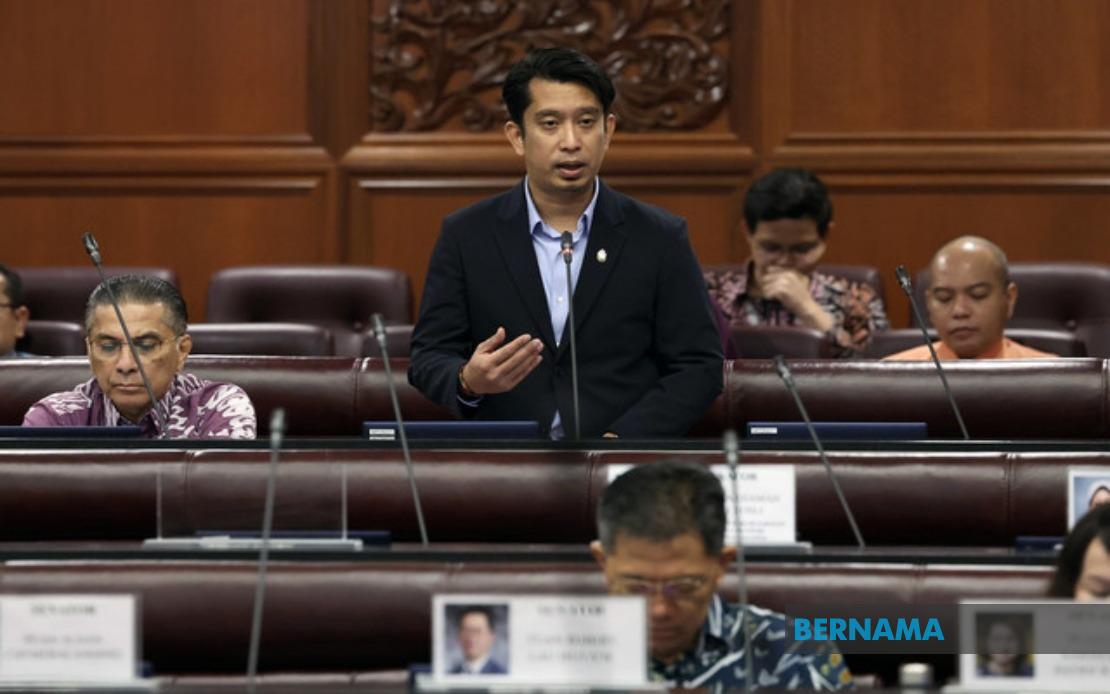
Higher education institutions across Malaysia now have explicit authority to cancel industrial training placements and retrieve students immediately if safety risks materialise, Deputy Higher Education Minister Adam Adli Abd Halim declared during proceedings at the Dewan Negara this week. The government policy allows institutions to act swiftly following either their own safety assessments or when students themselves report concerning conditions that demand urgent intervention. This clarification comes as the education sector continues grappling with the aftermath of a fatal accident that claimed the life of a Universiti Putra Malaysia student during routine maintenance work at Saujana 1 water tower in Kuala Selangor on June 16.
The deputy minister's statement acknowledges the persistent vulnerability of undergraduate placement programmes and signals a harder line on institutional accountability. Adam Adli expressed regret over the recurrence of accidents involving students engaged in industrial training, framing the government's position as part of a broader commitment to strengthen monitoring mechanisms and reporting infrastructure nationwide. The pronouncement reflects growing pressure on the education ministry to demonstrate tangible safeguards following high-profile incidents that have drawn scrutiny from lawmakers and the public alike.
Universities must now conduct substantially more rigorous evaluations before approving any placement arrangements, Adam Adli stipulated. These assessments should extend beyond basic credentials to encompass an organisation's documented safety record, historical incident reports, and standing within industry circles. For sectors classified as high-risk—encompassing construction, manufacturing, chemical processing, and utilities—placement approvals will be restricted exclusively to companies demonstrating compliance with formal safety requirements and possessing credible safety management frameworks certified through established protocols.
Students destined for high-risk environments face mandatory pre-placement requirements that now include completion of safety-focused coursework and acquisition of relevant industry certifications. This requirement represents a departure from previous practice where such training often occurred on-site or during the initial weeks of placement. By front-loading safety education, the government aims to equip students with foundational knowledge about hazard recognition and appropriate response mechanisms before they encounter actual workplace conditions.
The standardised briefing regimen mandated before placement commencement covers essential workplace safety and health protocols, systematic risk assessment methodologies, proper use of personal protective equipment across different work environments, established emergency procedures specific to the placement location, and clearly articulated channels through which students can report safety incidents or near-misses. These preparatory sessions function as both educational opportunities and formal documentation of student acknowledgment regarding workplace responsibilities and hazard awareness.
Ongoing supervision during the placement period incorporates dual accountability structures pairing academic supervisors from universities with industrial supervisors assigned by host organisations. This arrangement facilitates regular monitoring through scheduled physical visits to work sites, supplemented by virtual check-ins where appropriate, systematic review of student progress reports, and consistent communication channels enabling swift escalation of concerns. The dual-supervisor model creates institutional redundancy, ensuring that safety issues cannot be overlooked through gaps in communication between the education and industrial sectors.
Comprehensive insurance protection now formally extends to all students undertaking industrial training through the University Group Insurance Scheme, safeguarding them against financial hardship resulting from workplace accidents or other untoward incidents during their placement periods. This safety net addresses the immediate material consequences of workplace injuries while affirming institutional responsibility for student welfare even within external work environments.
The policy evolution reflects broader recognition within Malaysia's education system that industrial training, while essential for developing practical competencies and facilitating graduate employment transitions, introduces vulnerability that standard classroom environments do not present. Students encounter machinery, hazardous materials, extreme working conditions, and operational pressures that demand heightened protective measures and institutional vigilance. For Malaysian universities operating within a competitive global landscape, demonstrating robust student safety provisions has become integral to institutional reputation and stakeholder confidence.
The death at Saujana 1 water tower represents precisely the type of tragedy these new protocols aim to prevent, underscoring the gap between aspirational safety standards and implementation realities. The incident prompted immediate questioning about whether adequate safety assessments preceded the placement, whether students received sufficient hazard briefing, and whether supervisory oversight detected warning signs before the fatality occurred. Adam Adli's parliamentary response indicates that institutional learning from such incidents is translating into concrete procedural enhancements.
For Malaysian students and their families, these clarifications provide assurance that universities can exercise decisive protective action rather than remaining passive observers of problematic placements. The ability to withdraw students on safety grounds—coupled with mandatory pre-placement training and ongoing dual supervision—creates multiple intervention points where concerns can be identified and addressed. This layered approach acknowledges that workplace accidents rarely result from single failures but rather accumulate through cascading oversights and normalised risk-taking.
Regional higher education institutions across Southeast Asia increasingly confront similar questions about student safety during mandatory internship components embedded within curriculum requirements. Malaysia's more explicit policy framework may influence practice beyond its borders as universities compete for international student recruitment and seek to differentiate themselves through demonstrated commitment to learner protection. The approach balances educational objectives with undeniable duty of care responsibilities.
Moving forward, implementation effectiveness will depend substantially on university capacity to conduct thorough pre-placement safety audits, maintain consistent supervisory oversight despite resource constraints, and cultivate institutional cultures where safety concerns supersede placement quota pressures. The policy architecture Adam Adli articulated provides the necessary authority and framework, but translating these principles into reliably protected student experiences requires sustained institutional commitment and adequate resource allocation across Malaysian higher education.

