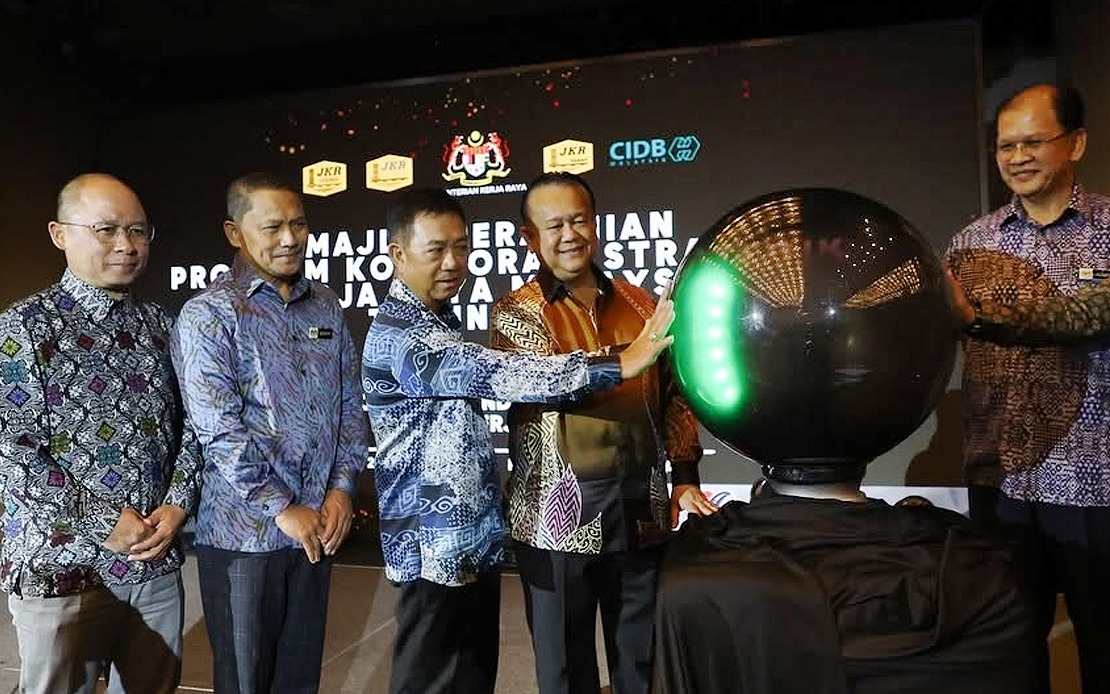
Effective institutional collaboration between the Malaysian Public Works Department and its Sabah and Sarawak counterparts represents a cornerstone strategy for resolving the infrastructure delivery challenges that have plagued the nation, according to Works Minister Datuk Seri Alexander Nanta Linggi. Speaking in Kota Kinabalu following an official ceremony launching the Strategic Collaboration Programme, Nanta underscored how the three agencies function as the primary conduits for executing construction projects valued at billions of ringgit across the country. This unified approach aims to establish a transparent platform where officials can collectively identify bottlenecks and devise pragmatic solutions before projects fall behind schedule or face quality complications.
The coordination framework extends to encompassing major undertakings such as the Pan Borneo Highway, transportation networks, and public facilities. Nanta acknowledged that fragmented communication pathways between implementing bodies have historically contributed to project slippage. By institutionalizing regular dialogue and problem-solving mechanisms, the ministry hopes to streamline decision-making and accelerate delivery timelines. The minister stressed that while measurable improvements have already materialised since initial collaboration commenced, substantial work remains to fully resolve systemic inefficiencies affecting project completion within target periods.
During his address, Nanta articulated a commitment to pursuing solution-oriented discussions across all subordinate agencies falling under the three public works departments' umbrella. He remarked that once departmental leaders identify and address core impediments systematically, operational efficiency should markedly improve across the entire infrastructure development pipeline. This approach signals a departure from siloed organisational practices that previously hampered inter-agency coordination, particularly between federal structures and state-level implementation teams operating in East Malaysia.
One illustrative case involved the construction of U-turn facilities along the Pan Borneo Highway corridor. When questioned about the placement methodology, Nanta clarified that positioning decisions derive from rigorous technical analysis encompassing road geometry, sightline considerations, and comprehensive safety assessments rather than arbitrary determinations. He stressed that every infrastructure intervention undergoes thorough scrutiny ensuring motorist protection and driving comfort remain paramount. This emphasis on evidence-based design reflects a broader institutional shift toward transparency and technical rigour in project delivery.
Deputy Chief Minister I and Sabah's Works and Utilities Minister Datuk Seri Dr Joachim Gunsalam articulated a complementary perspective, positioning infrastructure development as foundational for driving economic expansion, strengthening regional competitiveness, and enhancing public service responsiveness. His remarks highlighted how strategic infrastructure investment directly translates into improved livelihood outcomes and operational effectiveness across government delivery mechanisms. Gunsalam advocated for structuring every development initiative through meticulous planning, exacting quality standards, and prudent long-term asset stewardship practices.
Gunsalam further emphasised that infrastructure programmes must demonstrate tangible value for citizens through implementation characterised by governance transparency, fiscal responsibility, and institutionalised quality enhancement cultures. This dual emphasis on accountability and continuous improvement addresses mounting public scrutiny regarding infrastructure spending efficacy, particularly following years of project delays and cost overruns affecting major initiatives. The Sabah minister's framing suggests growing recognition among Malaysian policymakers that population expectations increasingly demand demonstrable returns on substantial capital allocations.
The formal proceedings included signature ceremonies for several binding agreements designed to operationalise the collaboration framework. Officials witnessed the signing of a road asset data declaration involving the federal Works Ministry and Sabah's relevant departments, establishing standardised information-sharing protocols for transportation infrastructure management. These arrangements aim to eliminate data fragmentation that previously hindered coordinated maintenance and upgrade programming across state boundaries.
Supplementary memoranda of understanding were executed between the Works Ministry, JKR Sabah, and JKR Sarawak authorising the deployment of Building Information Modelling (BIM) laboratories within state government facilities. This technology initiative represents a significant advancement in project planning and execution capabilities, allowing participating agencies to utilise sophisticated digital modelling tools for optimising construction sequencing, identifying potential conflicts before physical work commences, and enhancing cost predictability. The BIM infrastructure expansion potentially positions Malaysian public works agencies at technological parity with international best-practice standards increasingly adopted across developed economies.
The timing of this collaborative framework underscores contemporary pressures confronting Malaysian infrastructure delivery systems. The Pan Borneo Highway project, spanning thousands of kilometres across Sabah and Sarawak, exemplifies the complex coordination challenges requiring seamless federal-state cooperation. Environmental considerations, remote terrain logistics, and indigenous community engagement layers compound conventional project management complexities. Establishing institutionalised dialogue mechanisms provides structured venues for addressing these multifaceted dimensions systematically.
For Malaysian and Southeast Asian observers, this coordination initiative carries broader implications regarding developmental governance capacity. Regional infrastructure projects increasingly demand sophisticated integration across multiple jurisdictions and institutional hierarchies. The Malaysian approach—emphasising transparent problem identification and collective solution formulation—potentially offers replicable models for other ASEAN nations confronting analogous infrastructure delivery challenges. Enhanced efficiency within Malaysian public works frameworks could ultimately strengthen regional competitiveness as infrastructure quality increasingly determines foreign investment location decisions.
Looking forward, the sustainability of this collaborative platform will depend substantially on institutional commitment to maintaining dialogue mechanisms even when immediate pressures diminish. Historical Malaysian experience demonstrates that coordination frameworks occasionally atrophy when leadership attention shifts toward alternative priorities. Sustained investment in collaborative infrastructure—including dedicated coordination personnel, regular scheduled meetings, and mechanisms for tracking implemented recommendations—will prove essential for converting current institutional enthusiasm into durable systemic improvements. The infrastructure development pipeline spanning the coming decade will provide a critical test case for assessing whether this collaborative approach ultimately delivers the efficiency gains officials anticipate.

