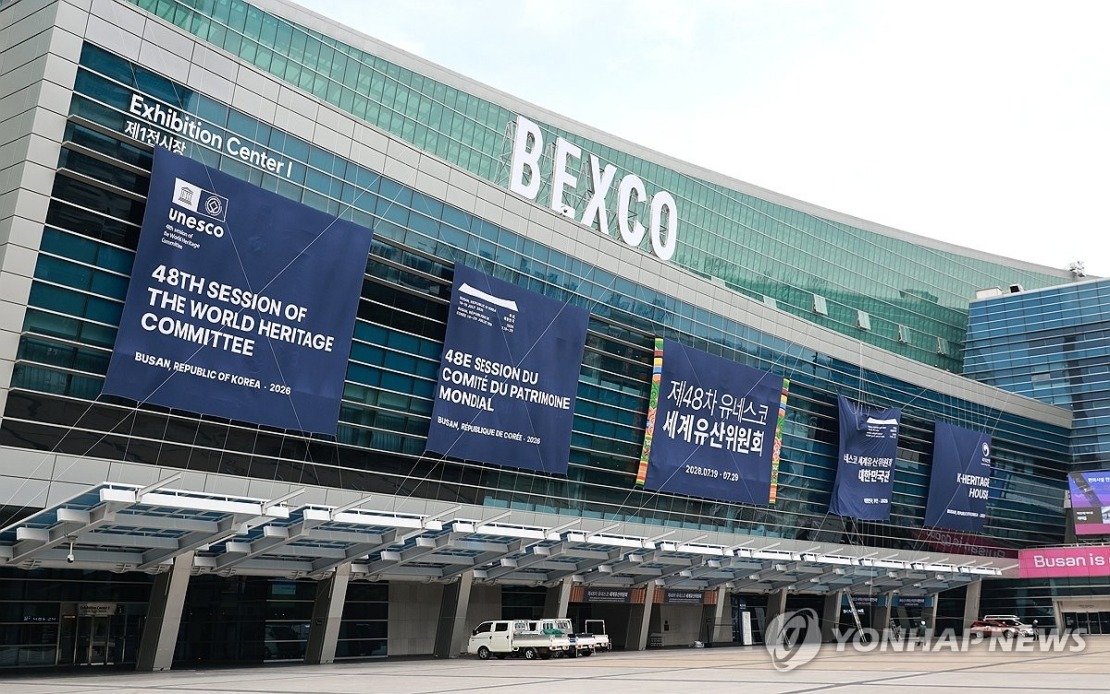
South Korea will play host to one of UNESCO's most significant governance forums this week as the World Heritage Committee convenes in Busan for its annual meeting, marking a landmark moment for the country more than three decades after it ratified the UNESCO World Heritage Convention. The gathering, scheduled to begin on Sunday at the Busan Exhibition and Convention Centre, represents the inaugural occasion that the internationally influential body has assembled within South Korean territory since the nation joined the convention framework in 1988.
The ten-day session is anticipated to attract approximately 3,000 participants representing a cross-section of UNESCO's global membership. This figure encompasses delegates from all 196 member states of the organisation, alongside representatives from international bodies and civil society groups with stakes in world heritage preservation. The sheer scale of attendance underscores the significance placed on these annual gatherings, which serve as critical junctures for reshaping heritage policy at the international level.
The geographical footprint of the meeting reflects South Korea's growing prominence in global affairs. Busan, situated roughly 330 kilometres southeast of the capital Seoul, functions as the country's principal port city and has increasingly served as a venue for major international conferences. The selection of this location signals the committee's intention to broaden engagement beyond traditional European headquarters and to bring heritage discussions closer to Asia-Pacific nations, a region home to numerous UNESCO-listed sites and emerging economies with expanding cultural preservation interests.
Leadership of UNESCO's world body will be prominently represented at the proceedings. UNESCO Director-General Khaled El-Enany is scheduled to attend, alongside Assistant Director-General for Culture Nayef Al-Fayez and Lazare Eloundou Assomo, who directs the World Heritage Centre. Their presence emphasises the institutional weight attributed to the committee's deliberations and signals that governance matters will receive executive-level attention throughout the session.
The committee itself functions as UNESCO's primary decision-making apparatus concerning both cultural and natural heritage sites. Each year, it undertakes several critical functions that reverberate across the international heritage landscape. The body reviews and decides upon fresh nominations seeking inscription on the UNESCO World Heritage List, a designation that carries substantial prestige and typically attracts tourism revenue and conservation investment to recipient sites. This role makes the committee's selections inherently consequential for nations aspiring to see their properties recognised.
Beyond determining new listings, the committee maintains oversight of existing World Heritage sites by periodically assessing their conservation trajectories and status. Many sites face mounting pressures from climate change, urban development, conflict, and inadequate funding, necessitating systematic monitoring and intervention mechanisms. Through these assessments, the committee can issue warnings about sites in peril, recommend additional resources, or in grave circumstances, threaten delisting—consequences that mobilise governments and conservation communities.
The broader policy dimensions of the committee's work extend to recalibrating the World Heritage Convention itself. As global challenges evolve, the committee must grapple with emerging questions: how to account for climate-induced heritage loss, whether Indigenous communities receive adequate voice in designation processes, and how heritage frameworks can advance sustainability objectives. These policy discussions often generate precedent-setting decisions that reshape how heritage is conceived and managed internationally.
For Southeast Asian nations, including Malaysia, the Busan session carries particular relevance. The region boasts substantial UNESCO World Heritage designations, from Indonesia's temple complexes to Cambodia's archaeological zones and Vietnam's natural landscapes. Malaysia itself maintains several properties on the World Heritage List, including Georgetown and Malacca's historic cities and the Kinabalu Park ecosystem. Changes to committee policies, new inscription criteria, or shifts in conservation standards can directly affect how these nations manage their heritage assets and access international conservation funding.
The timing of the meeting in South Korea also reflects the country's own heritage aspirations and commitments. Beyond possessing numerous UNESCO-listed sites, South Korea has championed heritage preservation through substantial institutional investment and international engagement. Hosting the committee provides an opportunity for the country to demonstrate its stewardship capabilities, showcase its heritage sites to global delegations, and potentially advance South Korean nominations under consideration.
For Malaysian stakeholders—heritage professionals, tourism operators, and government agencies responsible for site management—the Busan proceedings merit close attention. Policy shifts emerging from the committee could influence conservation approaches applicable to Malaysia's World Heritage sites, alter the competitive landscape for new nominations, or reshape international conservation standards against which Malaysian heritage management is measured. The committee's emphasis on particular heritage typologies or regions can also influence funding flows and technical assistance flows through UNESCO channels.
The ten-day duration of the meeting signals the complexity of work requiring attention. Committee sessions involve simultaneous discussions of hundreds of nominations and site condition reports, interspersed with working group meetings, policy deliberations, and stakeholder dialogues. This condensed schedule means that decisions affecting heritage globally are compressed into a brief window, underscoring the intensity and stakes involved.
South Korea's role as host carries symbolic weight in advancing geographic diversity in international heritage governance. Historically, major UNESCO forums have gravitated toward European venues, a pattern that some view as reinforcing Western perspectives on heritage value and preservation methodology. By situating the committee in Asia, UNESCO demonstrates commitment to decentralised governance and tacit acknowledgment that heritage traditions and conservation philosophies outside the Western paradigm merit equal consideration.
As delegates arrive in Busan, the assembled expertise and diversity of perspectives will shape heritage conservation approaches for years ahead. For Malaysia and the region, the outcomes emerging from this pivotal gathering will inevitably influence how cultural and natural treasures are designated, managed, and valued within the frameworks that have become central to global heritage governance.

