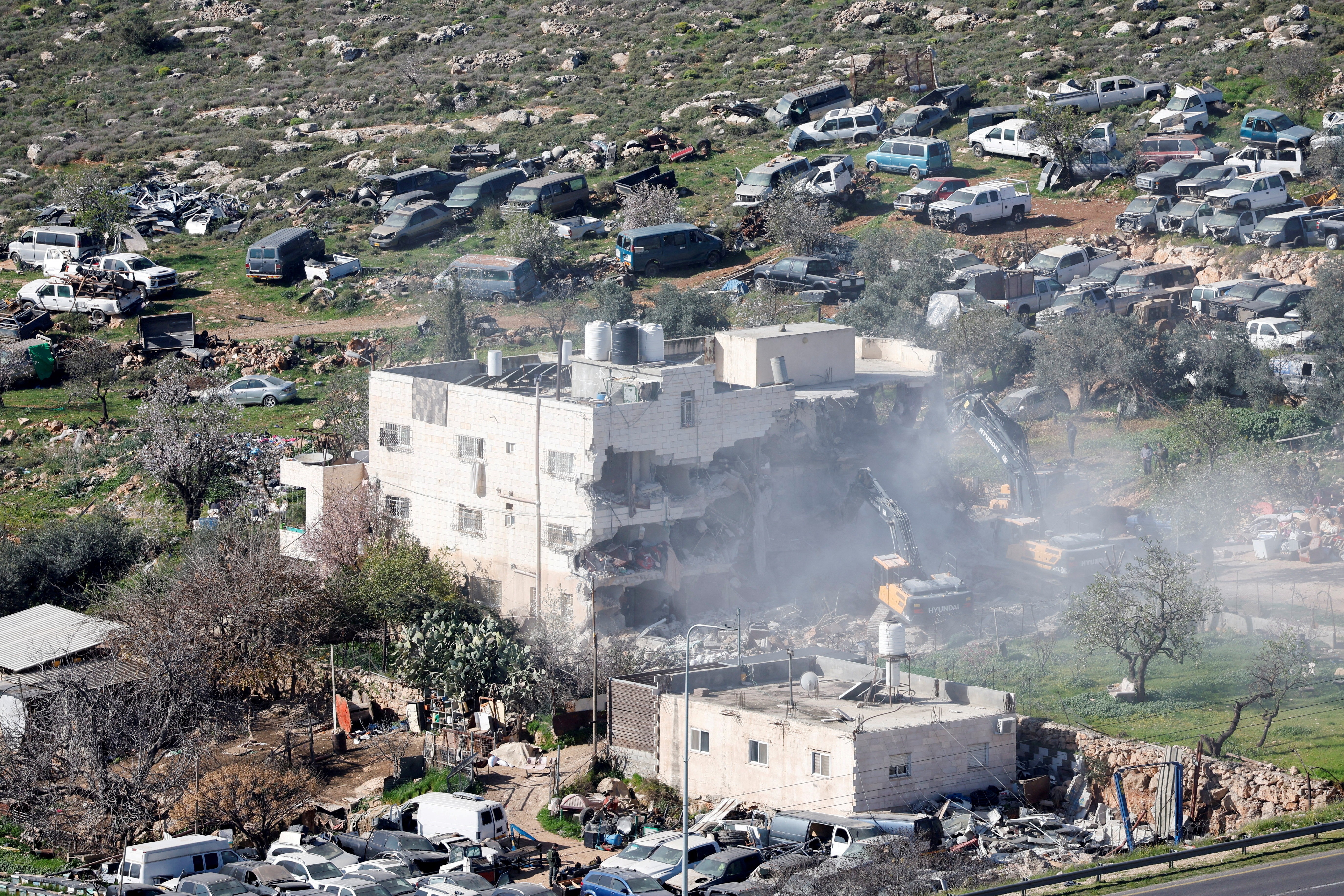
The United Nations Secretary-General Antonio Guterres has formally expressed alarm regarding the expansion of illegal Israeli settlement outposts across the occupied West Bank, marking an escalation in international criticism of Israel's territorial activities. Guterres, through his official spokesperson Stephane Dujarric, called upon Israeli authorities to halt further settlement construction and to comply with pertinent UN resolutions as well as guidance from the International Court of Justice.
The UN chief's particular concern centres on the controversial E1 settlement development, which represents a strategic expansion in the central West Bank region. Dujarric articulated during a Wednesday press briefing that this specific project carries grave implications beyond its immediate scope, as it would effectively partition the Palestinian territories by severing crucial land connections between the northern and southern portions of the West Bank. This geographic rupture would fundamentally undermine the cohesion of Palestinian-controlled areas and eliminate natural corridors for movement and commerce.
The E1 settlement's potential impact extends far beyond immediate territorial concerns. According to UN assessments, the development would inflict severe damage upon the territorial integrity of the occupied Palestinian territory, a foundational element necessary for any functioning Palestinian state. More critically, international observers and UN officials argue that this particular expansion presents an existential threat to the two-state solution framework, which has long been the primary diplomatic objective for resolving the Israeli-Palestinian conflict. The two-state model requires viable, contiguous Palestinian territory capable of sustaining independent governance and economic viability.
Guterres's position aligns with the landmark advisory opinion issued by the International Court of Justice on July 19, 2024, which delivered a significant legal judgment on Israel's presence in occupied Palestinian territories. The court determined that Israel's continued occupation constitutes an unlawful situation under international law, establishing a clear legal foundation for the UN chief's diplomatic intervention. This advisory opinion, while non-binding, carries substantial moral and legal weight within the international community and informs positions taken by UN leadership.
The ICJ's detailed recommendations regarding the occupied territories are comprehensive and far-reaching. The court mandated that Israel must terminate its presence in the Palestinian territory as expeditiously as possible, reflecting the court's assessment that the occupation cannot be sustained indefinitely under international law. Additionally, the court demanded an immediate cessation of all new settlement activities, effectively freezing expansion plans and new outpost construction. The court further required the complete evacuation of Israeli settlers from occupied lands, a position that fundamentally challenges the current status quo on the ground.
Beyond territorial withdrawal, the International Court of Justice also established that Israel bears responsibility for providing reparations addressing the cumulative damage inflicted through its occupation and settlement policies. This includes compensation for economic losses, environmental degradation, and the broader harm sustained by Palestinian communities across decades of occupation. The reparations framework acknowledges that the occupation has generated substantial material and immaterial harm requiring financial and institutional redress.
For Malaysia and other Southeast Asian nations with significant Muslim populations, these developments carry considerable diplomatic and humanitarian significance. The region has historically maintained strong positions supporting Palestinian self-determination at the United Nations and regional forums. Malaysian policymakers view the settlement expansion as a fundamental violation of international law and an obstacle to peace negotiations, positions reflected in previous statements from Malaysian government officials at the UN General Assembly and other international platforms.
The timing of Guterres's intervention reflects growing international pressure on Israel regarding settlement policy, particularly following the ICJ's advisory opinion. Several nations have intensified diplomatic efforts demanding compliance with international law, creating a challenging environment for Israeli policymakers. However, Israel has historically resisted international pressure on settlement matters, arguing that security concerns and historical claims justify continued expansion in certain territories.
The E1 settlement specifically has been a contentious issue for nearly two decades, with previous Israeli administrations repeatedly announcing expansion plans that prompted international outcry. The renewed push toward development suggests a deliberate strategy to alter the territorial facts on the ground despite international legal opposition. This pattern of expansion despite international criticism reflects deep divisions over the fundamental parameters of any eventual peace agreement.
The UN Secretary-General's formal intervention indicates that the organisation intends to maintain pressure on settlement expansion as a core impediment to conflict resolution. Guterres has previously emphasised that sustainable peace requires addressing root causes of the conflict, including territorial disputes and the status of settlements. The alignment between the UN chief's position and the ICJ's legal findings strengthens the diplomatic position of those opposing settlement expansion.
For regional observers, these developments underscore the persistent challenges in achieving Israeli-Palestinian peace. The continued expansion of settlements, particularly strategic ones like E1, suggests that the conditions for serious negotiations remain absent. Palestinian authorities and their supporters argue that settlement expansion represents Israeli rejection of a viable Palestinian state, rendering peace proposals meaningless. This fundamental impasse continues to generate international concern and diplomatic intervention from major global actors.
Looking forward, the question remains whether international legal rulings and diplomatic pressure will translate into changed Israeli policy or whether the settlement expansion will continue regardless of international opposition. The answer to this question will significantly influence the trajectory of Israeli-Palestinian relations and the viability of future peace initiatives in one of the world's most enduring conflicts.

