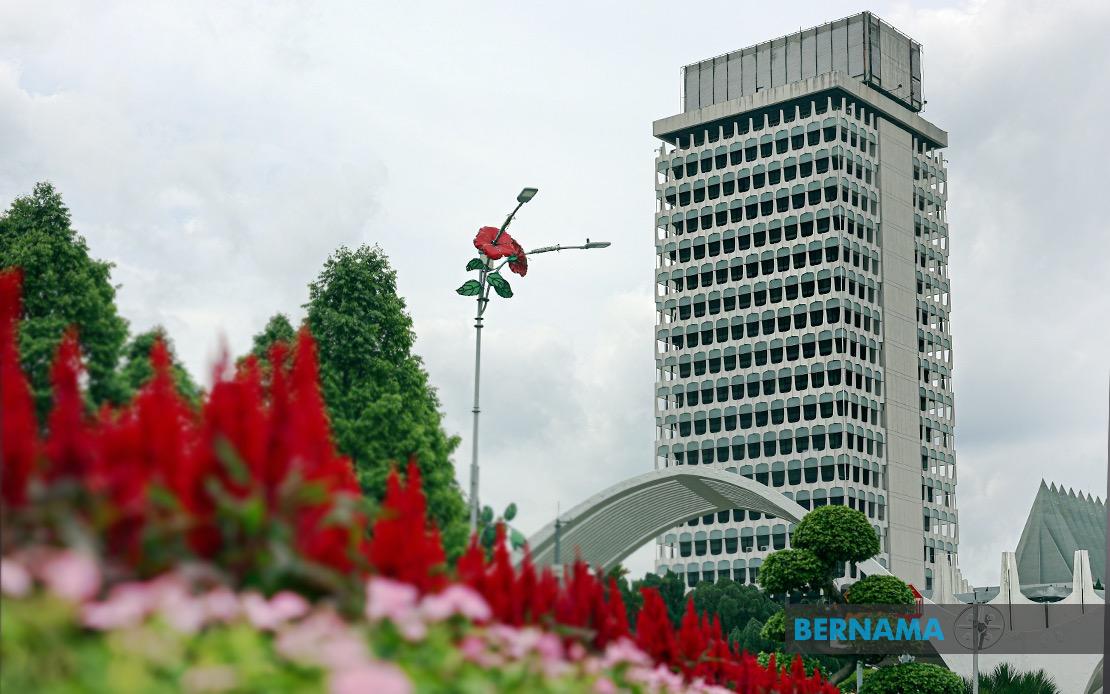
Malaysia's Parliament is set to engage with several high-stakes policy questions today, signalling the government's broader concerns about geopolitical positioning, economic resilience, and strategic autonomy. The Dewan Rakyat's sitting will spotlight persistent frustrations about how the international order operates, vulnerabilities in the nation's food systems, and potential gaps in defence procurement strategy—all matters carrying significant weight for a middle-power nation navigating an increasingly volatile regional and global landscape.
The question of UN Security Council reform represents a longstanding grievance that Malaysia has championed through diplomatic channels. Datuk Seri Sh Mohmed Puzi Sh Ali will press the Foreign Minister to articulate Malaysia's strategic blueprint for advancing structural changes to the UN system and detail how Kuala Lumpur intends to expand its influence within the organization. The veto power wielded by permanent members—the United States, Russia, China, Britain, and France—has repeatedly stalled international responses to humanitarian crises and regional conflicts, a reality that developing and middle-income nations find increasingly untenable. Malaysia's push for reform reflects broader frustration in the Global South about decision-making structures that were designed in 1945 and now poorly represent contemporary geopolitical realities or the interests of developing economies.
This diplomatic initiative carries particular importance for Malaysian foreign policy. As a non-permanent member of the UNSC on occasion and a frequent advocate for rules-based multilateralism, Malaysia has positioned itself as a voice for reform-minded states. The government's ability to articulate a coherent vision for UN restructuring—whether through expanding the permanent council, limiting veto use, or enhancing the General Assembly's authority—will influence how effectively Malaysia can mobilize coalition partners in Asia and Africa around this agenda. The question also reflects Kuala Lumpur's aspiration to claim greater agency in shaping international norms and decisions, particularly on issues affecting Southeast Asia directly.
Equally pressing is the matter of food security, which has emerged as a critical vulnerability for Malaysian policymakers. Shaharizukirnain Abd Kadir will interrogate the government's readiness to manage a projected food supply shortfall and assess whether incentive programmes for agricultural states are actually translating into improved domestic self-sufficiency. The context is sobering: rising input costs—fertilizers, fuel, and pesticides—have been driven partly by geopolitical tensions in West Asia and broader supply chain disruptions, squeezing margins for local farmers and threatening national production targets. Malaysia imports roughly one-third of its food requirements, a dependency that exposes the nation to international price volatility and supply interruptions beyond its direct control.
The interrogation will touch on whether existing support mechanisms reach smallholder farmers effectively or concentrate benefits among larger producers. Domestic agricultural output has stagnated in recent years as farmland converts to urban development and younger Malaysians abandon farming for service sector employment. Addressing these structural challenges requires not just short-term subsidies but long-term investment in agricultural modernization, water security, and land-use planning—domains where government policy coherence and budgetary commitment have been inconsistent. The question signals parliamentary concern that the government may lack a comprehensive, integrated strategy rather than a patchwork of ad-hoc interventions.
A third substantive concern involves the Malaysian Armed Forces' reliance on foreign defence suppliers and the operational risks this creates. Datuk Awang Hashim will question the Defence Minister about how procurement dependencies affect strategic planning and what concrete steps are underway to minimize supply disruption, reduce delivery delays, and prevent contract cancellations. Malaysia's defence procurement has historically been a mix of strategic partnerships with major powers—the United States, Russia, and European suppliers—supplemented by regional acquisitions. Yet this diversification, while prudent, also means managing multiple vendor relationships, compatibility challenges, and vulnerability to sanctions or geopolitical shifts.
For a nation that borders major shipping lanes and faces persistent maritime security challenges, military readiness is non-negotiable. Delays in equipment delivery or sudden cancellations can degrade operational capacity and complicate force modernization timelines. The question implicitly asks whether Malaysia should invest more in domestic defence industrial capacity, strengthen partnerships with trusted suppliers, or negotiate longer-term contracts that insulate against disruption. It also reflects anxiety about how great-power competition—particularly US-China tensions—might affect Malaysia's ability to source critical military systems without facing pressure to align politically.
On a related technology front, Rodiyah Sapiee will probe the government's coordination of energy policy to support green hydrogen development, with particular emphasis on Sarawak's potential as Southeast Asia's green hydrogen hub. This question connects energy transition aspirations to industrial strategy and regional positioning. Sarawak possesses hydroelectric capacity and feedstock advantages that could support hydrogen production; however, realizing this opportunity requires synchronized efforts across federal energy policy, Sarawak state government initiatives, private sector investment, and international partnerships. The question suggests tension or unclear divisions of responsibility between federal and state authorities, or concern that policy frameworks are not adequately supportive of this emerging sector.
Green hydrogen is increasingly viewed as a pathway to decarbonization and industrial competitiveness, especially in Southeast Asia where energy demand is rising sharply. Malaysia aims to leverage Sarawak's natural endowments and position the state—and the nation—as a hydrogen exporter and hub for downstream industries. Success requires aligning fiscal incentives, technical standards, land use planning, and workforce development. The question signals that parliament wants assurance that the government is actively coordinating across silos and with international partners to capitalize on this opportunity before competitors in the region or elsewhere move faster.
Beyond these parliamentary questions, the Dewan Rakyat will progress business on several legislative fronts. Seven government Bills scheduled for first reading include the Communications and Multimedia (Amendment) Bill 2026 and the Malaysian Communications and Multimedia Commission (Amendment) Bill 2026, indicating the government's intent to refresh regulatory frameworks governing digital communications—a perennial area of contention between free speech advocates, business interests, and state security concerns. The Social Work Profession Bill 2026 suggests movement toward professionalizing and regulating social work practice, a softer policy matter but one reflecting broader governance modernization.
Parliament will also resume and conclude debate on the Control of Paddy and Rice (Amendment) Bill 2026, a narrow but symbolically important measure touching on a sector long protected by government intervention and subsidy. These legislative items, combined with the substantive questions raised, paint a picture of a government wrestling with interconnected challenges: maintaining strategic autonomy in a complex geopolitical environment, ensuring economic resilience against external shocks, and updating institutional and regulatory frameworks for contemporary realities. The 16-day sitting running through July 16 will reveal whether parliamentary scrutiny produces meaningful accountability or remains largely performative.
The range of issues raised today—from UN structural reform to granular questions about defence procurement and agricultural incentives—underscores how Malaysian governance is increasingly grappling with cascading global pressures. Middle powers like Malaysia cannot insulate themselves from international instability, resource scarcity, or technological disruption, yet they possess limited ability to shape these forces unilaterally. This sitting reflects the delicate balancing act Malaysia must perform: advocating for systemic reform while building practical resilience against an unpredictable world, and managing relations with powerful neighbours and distant great powers while protecting national interests and democratic accountability at home.

