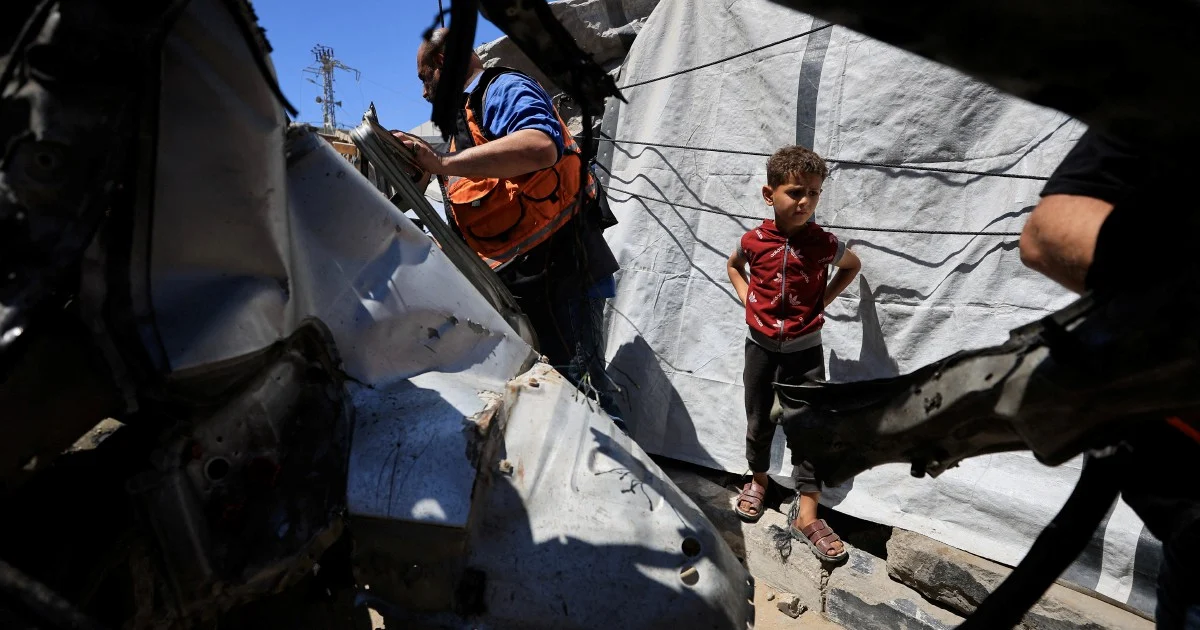
Investigators working under the auspices of the United Nations have released findings concluding that Israel is pursuing a systematic pattern of deliberately targeting Palestinian children in Gaza, framing these actions as integral to what they characterise as genocide. The allegations, presented on Tuesday in Geneva, represent one of the most serious accusations levelled against the Israeli military since the escalation of conflict in the territory began.
The UN probe's conclusions centre on documented instances in which Palestinian children have been killed or injured during Israeli military operations. Rather than treating these incidents as tragic but unavoidable consequences of warfare, the investigators contend that the targeting represents a deliberate strategy. This distinction carries significant legal weight under international humanitarian law and genocide conventions, which define genocide in part through intent to destroy protected groups. The report suggests that systematic harm to children—a foundational element of Palestinian society—constitutes evidence of broader genocidal intent.
Israel has swiftly rejected the investigators' findings as fundamentally flawed and politically motivated. Officials have maintained that their military operations are carefully designed to minimise civilian casualties and that the engagement of Palestinian fighters frequently occurs in civilian areas, making the separation between combatants and non-combatants extremely difficult. The Israeli government's response reflects a broader dispute over the interpretation of events in Gaza and the appropriate legal framework through which those events should be analysed.
The report arrives amid intensifying international scrutiny of the humanitarian situation in Gaza. Over recent months, numerous human rights organisations, aid agencies, and individual governments have expressed alarm at the scale of civilian suffering, including the deaths of large numbers of children. The UN investigation builds upon these concerns by arguing that the pattern of child casualties reflects something more systematic than incidental harm—a conclusion with profound implications for international accountability mechanisms.
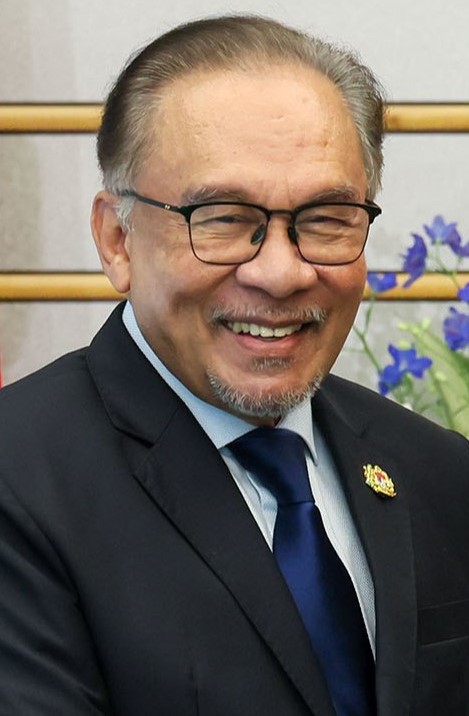
For Malaysia and other Southeast Asian nations with substantial Muslim populations and historical commitments to Palestinian causes, the UN report carries particular significance. These countries have consistently advocated through multilateral forums for greater protection of Palestinian civilians and scrutiny of alleged violations. The formal UN investigation provides documentary backing for positions that Malaysia and regional partners have promoted diplomatically, potentially strengthening calls for referral to the International Court of Justice or the International Criminal Court. Such developments could shape voting patterns in international bodies and influence bilateral relations between Malaysia and various powers.
The question of children specifically adds a humanitarian dimension that transcends ordinary military analysis. International law grants children special protected status during armed conflicts, recognising their vulnerability and dependence on adults for survival. Evidence suggesting deliberate targeting of this group invokes some of the most serious violations contemplated under the Genocide Convention and Rome Statute frameworks. The investigators' emphasis on children as victims therefore carries weight not merely in terms of numbers but in terms of legal categories that trigger the gravest international legal consequences.
The timing of the report also reflects broader shifts in how the international community addresses alleged atrocities. Whereas previous decades saw greater reluctance to employ language like genocide except in cases of industrial-scale killing, contemporary practice has become more expansive. The UN investigators' characterisation of events in Gaza as genocide represents a continuation of this trend, though it remains contested. Critics argue that applying such terminology to contemporary conflicts risks diluting the concept; supporters contend that legal categories must adapt to new forms of organised violence and systematic harm.
For humanitarian organisations operating in Gaza, the UN findings create both opportunities and challenges. Confirmation of systematic targeting may strengthen arguments for increased humanitarian access and protection of civilians. Simultaneously, formal accusations against Israel may complicate the operational environment for international NGOs, some of which already face restrictions or security concerns. The investigation thus has practical ramifications extending beyond the courtroom into the lived experiences of those attempting to deliver aid and medical services.
The investigation underscores a fundamental tension within the international legal order. On one hand, mechanisms exist to investigate and prosecute alleged atrocities, reflecting commitment to accountability. On the other, these mechanisms often lack enforcement power, particularly when powerful nations or their allies are implicated. Israel's rejection of the findings and its questioning of investigator impartiality highlight these structural limitations. Unless the report prompts action through the Security Council or other enforcement mechanisms, its legal significance may remain primarily in the realm of documentation and moral witness rather than concrete accountability.
Looking forward, the report's reception by various governments and international bodies will shape its influence. Countries in the Global South, including Malaysia, generally emphasise respect for international investigations and support stronger accountability mechanisms. By contrast, Western powers often take more cautious positions regarding investigations into Israeli conduct, citing concerns about political bias or preferential treatment of one side. These divisions will likely determine whether the UN findings translate into sustained international pressure or remain one more contested document in an already voluminous dispute over Gaza.