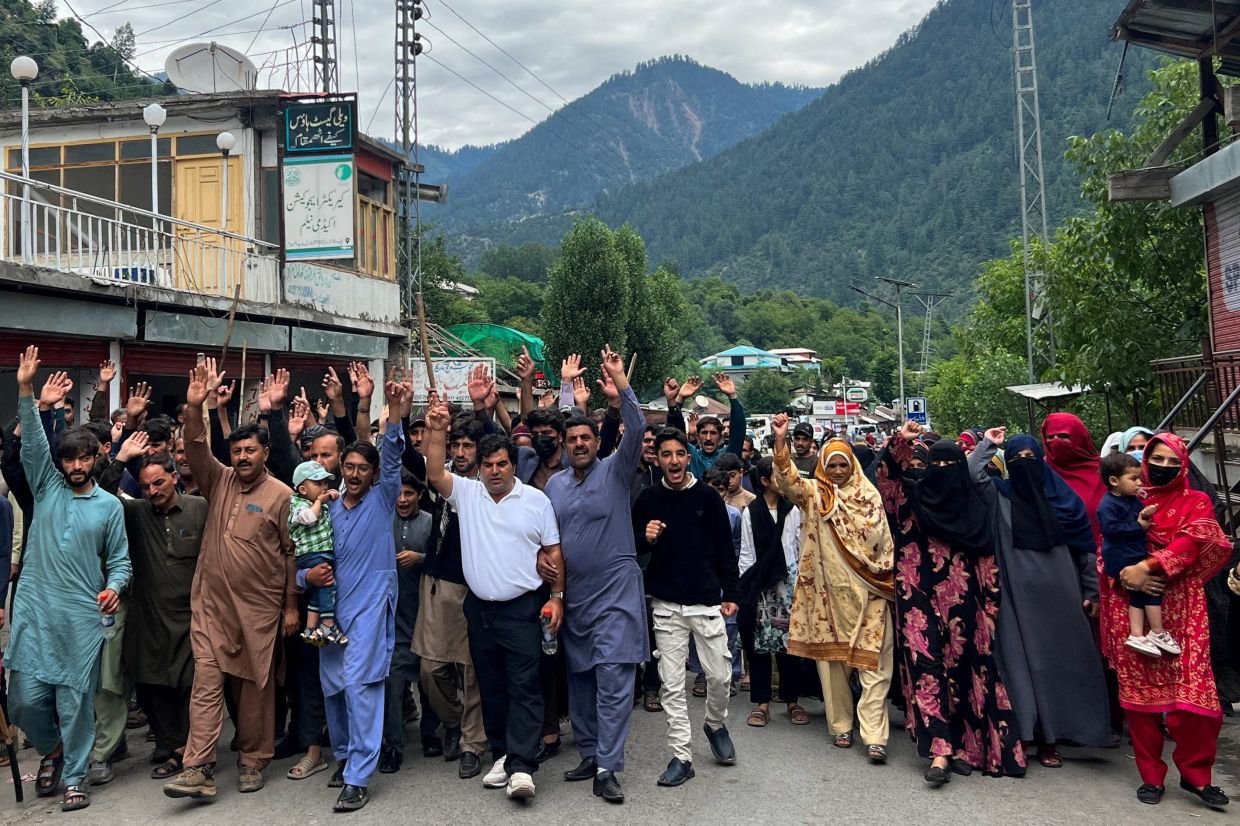
The United Nations has called for impartial investigations into a series of deaths reported across Pakistani-administered Kashmir, where mounting civil unrest has coincided with preparations for regional elections. UN High Commissioner for Human Rights Volker Turk issued the appeal through his spokesman Jeremy Laurence during a Geneva press briefing on July 17, expressing concern over the wave of violence that has claimed dozens of lives since June. The timing of this international intervention underscores growing alarm within the global human rights community over the handling of civil dissent in the strategically sensitive region.
The reported deaths have included both protesters and law enforcement personnel, casting a spotlight on the methods used by authorities to maintain order during this volatile period. According to Laurence, Turk is specifically demanding that Pakistan conduct "prompt, thorough and impartial investigations into all deaths that have occurred due to the unrest, both amongst protesters and members of security forces". This dual focus reflects concerns that investigations must examine potential excessive force by security personnel while also addressing any violence perpetrated by demonstrators. The request carries particular weight given the region's history of contentious incidents and international scrutiny of Pakistan's handling of dissent.
At the heart of the current unrest lies the Joint Awami Action Committee, or JAAC, an anti-government movement that has mobilised grassroots activism around demands for economic reforms and improved governance in Kashmir. The organisation has continued organising demonstrations despite being designated a banned entity under anti-terrorism legislation implemented last month. Pakistani authorities justified the ban by claiming JAAC posed threats to public order and security, though the designation has sparked international criticism regarding the methods used to suppress legitimate civic engagement. The decision to ban the movement reflects the government's concerns about maintaining stability ahead of elections scheduled for July 27.
The JAAC's persistence in conducting protests despite legal restrictions highlights the depth of public frustration in the region over governance and economic conditions. Supporters have continued taking to the streets in defiance of the ban, suggesting that underlying grievances run sufficiently deep that legal prohibitions alone are unlikely to extinguish demands for change. This dynamic has created a confrontational atmosphere where security forces and demonstrators have repeatedly clashed, with police deploying various crowd-control measures against largely civilian protesters. The escalation represents the most serious outbreak of civil unrest in the region since September of the previous year, when similar clashes resulted in nine confirmed deaths.
The UN's human rights office has specifically condemned the arrest of JAAC leadership figures, warning that such actions constitute troubling infringements on fundamental freedoms. According to Laurence, the organisation issued a statement declaring that "the criminalisation of a civil society organisation and imposition of strict limitations on gatherings raise serious concerns about infringements on the rights to freedom of expression, peaceful assembly and association". This framing places the dispute within the context of international human rights standards, suggesting that Pakistan's response to JAAC activism extends beyond operational security concerns into territory that implicates basic civil liberties. The UN has insisted that detained leaders receive access to legal representation and family contact, with full guarantees of due process and fair trial rights.
Interest restrictions implemented across Pakistani-administered Kashmir have drawn particular criticism from the international body, which argues that such measures disproportionately undermine the population's ability to access information and communicate during periods of heightened tension. Laurence specifically cautioned that internet blackouts "disproportionately restrict the enjoyment of the right to freedom of expression, including freedom to seek, receive and impart information at a time when tensions are running high". The UN has accordingly urged authorities to restore full internet connectivity throughout the territory, arguing that information access becomes critically important when civil unrest occurs. For Malaysia and other Southeast Asian nations monitoring developments, such restrictions raise questions about balancing security imperatives with digital rights in an increasingly connected world.
Kashmir's status as a disputed territory between India and Pakistan has long rendered it exceptionally sensitive from both military and diplomatic perspectives. The region has been partitioned between the two nations since their independence from British rule, with both claiming full sovereignty over the entire territory. Pakistan regards the area as strategically critical and has historically maintained tight security controls to prevent instability that could invite Indian intervention or domestic separatist movements. This geopolitical context helps explain why authorities respond forcefully to civil unrest, though it does not necessarily justify measures that international observers consider excessive or disproportionate.
Turk has called for a broader political approach to address the underlying conditions generating current discontent, advocating for "meaningful and inclusive political dialogue to address the underlying issues and grievances of the local population". This recommendation suggests that security-focused responses alone are insufficient to resolve the tensions evident in Pakistani Kashmir. Rather, the UN position implies that sustainable stability requires addressing the substantive economic and governance concerns that JAAC and its supporters have articulated. Such dialogue would necessarily involve engagement between state authorities and civil society representatives, a prospect that becomes complicated when organisations like JAAC remain banned entities.
For Malaysian observers, developments in Pakistani Kashmir offer instructive examples of how governments balance competing imperatives of security maintenance and civil liberties protection. Southeast Asian nations frequently grapple with similar tensions when confronted with organised dissent or security threats. The international community's response to Pakistan's handling of JAAC activism suggests that regional governments increasingly face pressure to demonstrate commitment to international human rights standards even while pursuing legitimate security objectives. As elections proceed in Pakistani Kashmir on July 27, the outcome will partially reflect whether the current crackdown successfully suppresses unrest or whether it has instead driven grievances further underground, potentially creating longer-term instability.

