Internal dissatisfaction within Umno over an electoral alliance arrangement between BN and PN has manifested tangibly in Selangor, where a polling centre in Klawang ceased operations in protest after the strategic seat was ceded to the Pan-Malaysian Islamic Party. The closure represents growing friction within the coalition over seat allocations, a sensitive matter that often determines grassroots morale and activist participation during election campaigns.
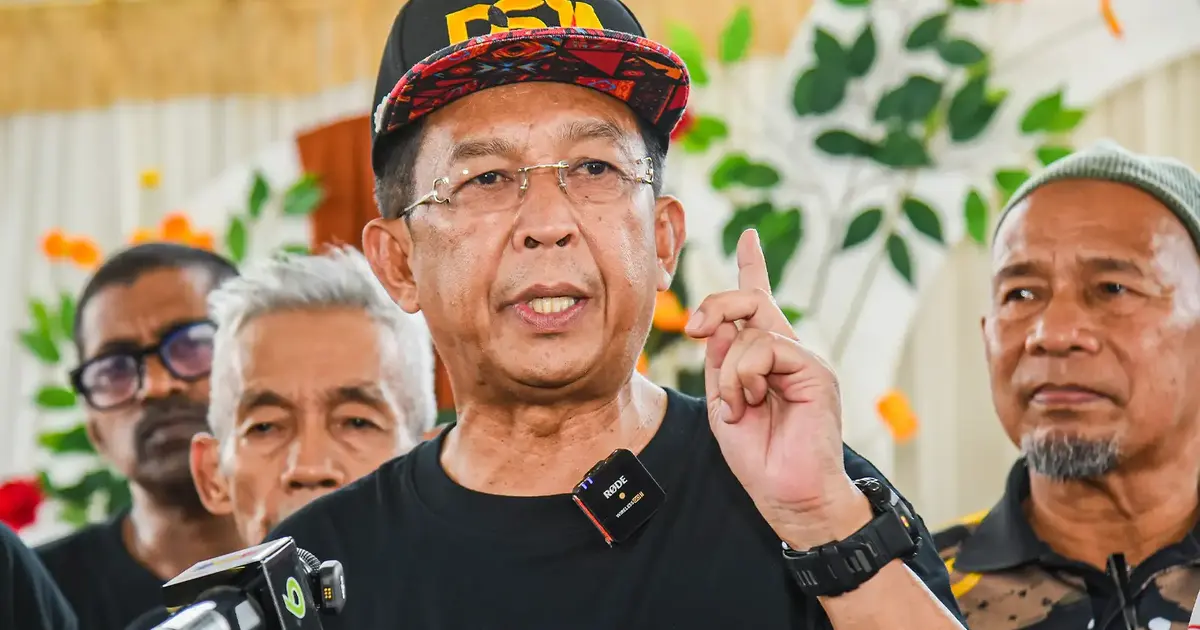
State Umno chief Jalaluddin acknowledged the discontent simmering among party cadres regarding the power-sharing formula negotiated between BN and PN. He attributed the Klawang centre's shutdown to unhappiness among certain quarters disappointed by the decision to yield the constituency to PN in exchange for other electoral territories. Such tit-for-tat arrangements, while strategically necessary to prevent three-way contests that could split opposition votes, frequently generate resentment among party members who view surrendered seats as lost opportunities for Umno consolidation.
The polling centre's temporary closure illustrates the delicate balance required in managing coalition partnerships at the grassroots level. While top leadership negotiates seat divisions across multiple districts and states, ordinary party workers and volunteers often bear the emotional and organisational burden of accepting unfavourable swaps. In constituencies lost to coalition partners, campaign infrastructure contracts, local party visibility diminishes, and members feel sidelined from electoral contests many view as winnable for their party.
Jalaluddin's prediction that operations would resume soon suggests the closure was a largely symbolic gesture rather than a fundamental rupture in the BN-PN arrangement. This temporary protest reflects how coalition members use operational friction as pressure valves to signal displeasure without formally challenging the pact. Such episodes offer leadership a chance to reassert commitment to the alliance while acknowledging legitimate concerns about fairness in seat distribution.
The Klawang incident carries implications for BN's organisational cohesion in Selangor, a state perpetually contested between government and opposition coalitions. Umno's ability to maintain stable working relationships with PN partners while managing internal grievances directly affects campaign effectiveness and voter mobilisation. When party workers feel disrespected or marginalised through seat allocations, their enthusiasm for grassroots campaigning may wane, potentially impacting overall electoral performance.
Selangor presents particular challenges for such arrangements because the state's mixed demographic composition means different constituencies have varying appeal to BN and PN. Umno's traditional strongholds in rural and semi-urban areas sometimes overlap with PN's Islamic mobilisation zones, creating genuine logistical complications in seat allocation. Every cession to PN represents not merely lost electoral opportunities but also diminished local party prominence and reduced access to state-level resources and patronage networks.
The BN-PN coalition itself remains relatively young, having been formalised primarily after the 2022 general elections. Trust remains tentative, and operational procedures for managing disagreements lack the maturity found in longer-established alliances. Each minor incident, including the Klawang closure, contributes to either deepening mutual accommodation or escalating tensions depending on how leadership responds and resolves disputes.
Jalaluddin's communication acknowledging discontent while expressing confidence in renewed cooperation demonstrates effort to balance recognition of grassroots concerns with strategic necessity. By validating why workers felt upset without conceding the arrangement itself, he attempted to preserve coalition unity while offering emotional recognition that morale issues merit attention. This approach, common among senior party figures managing internal dissent, seeks to prevent isolated protests from snowballing into broader organisational challenges.
For Malaysian voters and political observers, such internal coalition friction offers insights into stability and sustainability of BN-PN cooperation. Electoral arrangements that create significant resentment among party members risk eventual breakdown when trust erodes sufficiently or when alternative political configurations become attractive. The willingness of activists to stage symbolic protests suggests underlying concerns about fairness that leadership must address through either more transparent allocation processes or additional compensatory measures.
Looking ahead, Selangor's political trajectory will partly depend on whether BN and PN can successfully navigate such friction points without allowing temporary closures and protests to catalyse deeper organisational wounds. For Umno particularly, balancing coalition loyalty against members' aspirations for contesting winnable seats remains an ongoing challenge. Klawang's temporary disruption, while resolved relatively quickly, underscores the constant effort required to sustain multi-party electoral collaborations in Malaysia's increasingly complex political landscape.

