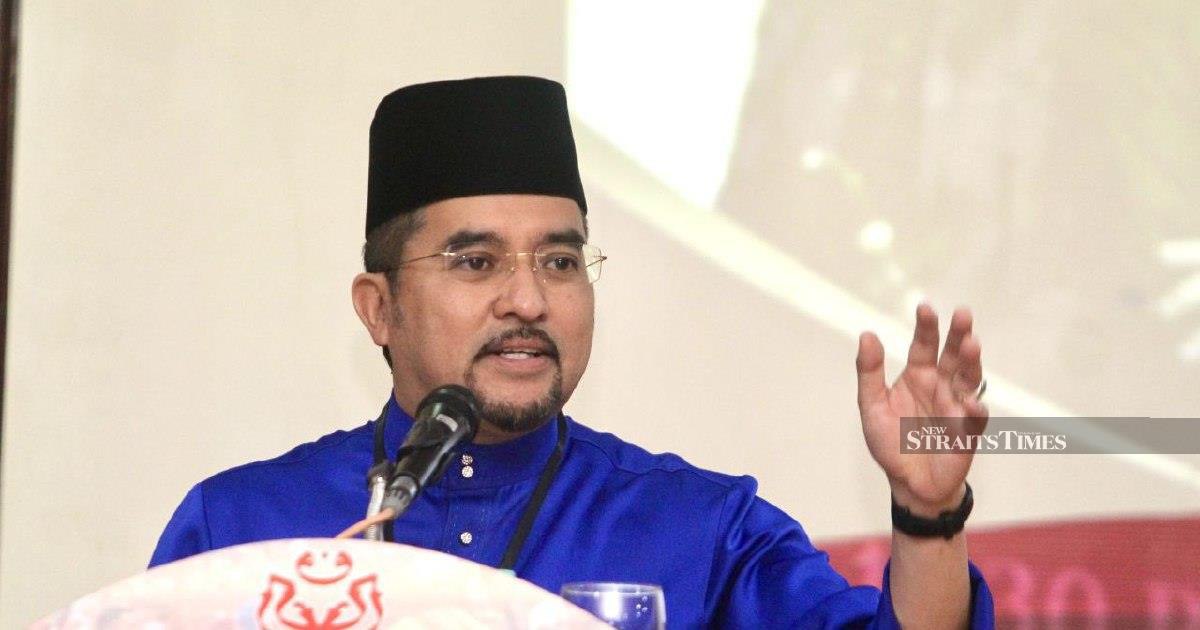
Umno has firmly rejected attempts by PKR Youth to influence seat distribution for the forthcoming Melaka election, signalling that the ruling coalition will make its final determination through structured dialogue among senior party officials rather than yield to pressure from any faction. Speaking in Kota Baru, Umno representatives emphasised that whilst all coalition partners retain the legitimate right to voice their preferences and ambitions regarding electoral arrangements, the actual allocation of parliamentary and state seats must emerge from disciplined negotiations conducted at the leadership level.
The statement represents a clear boundary-setting exercise within the Pakatan Harapan coalition as it prepares for electoral contests in Melaka, a state that has experienced considerable political turbulence in recent years. The rejection underscores the delicate balance that Umno, as the largest component of the ruling coalition, must maintain between respecting the aspirations of its partners and asserting its own prerogatives in seat negotiations. By framing the issue around proper procedural channels, Umno has attempted to neutralise what it views as premature or excessive claims from the younger members of the PKR structure.
The Melaka political landscape has been characterised by instability and shifting alliances, making seat negotiations particularly sensitive. The state has witnessed multiple changes in executive leadership and coalition configurations over the past decade, reflecting deeper divisions about representation and power-sharing arrangements. For PKR, which operates as a secondary coalition partner despite its significant parliamentary presence, securing competitive seats in Melaka represents a meaningful test of its influence within the broader Pakatan framework. However, Umno's response suggests it intends to preserve substantial leverage in determining the final outcome.
PKR Youth's intervention in this process appears to reflect broader generational tensions within the party structure, where younger members increasingly seek direct input into strategic decisions traditionally reserved for formal party machinery. This generational dynamic mirrors patterns visible across Southeast Asian political movements, where youth wings increasingly assert themselves as independent voices rather than accepting hierarchical decision-making. Nevertheless, Umno's rebuff signals that older, more traditional approaches to intra-coalition coordination remain dominant within Malaysia's ruling structures.
The controversy also illuminates the ongoing challenge of maintaining coalition cohesion when multiple partners hold differing expectations about resource distribution. The Pakatan Harapan coalition, whilst delivering electoral victory in 2018 and reasserting influence after 2022, continues to navigate tensions between its component parties regarding portfolio allocation, seat allocation, and policy direction. Melaka, as a state election rather than federal contest, represents a lower-stakes environment for such negotiations, yet the precedent established here will likely influence larger discussions about seat distribution for subsequent elections.
Umno's insistence that decisions should flow from inter-party leadership negotiations rather than grassroots activism reflects the party's institutional conservatism and its commitment to formal party structures. This approach contrasts with more populist or movement-oriented political approaches that seek to democratise decision-making processes. For Malaysian political observers, this tension between institutional hierarchy and grassroots participation represents an ongoing theme in the country's democratic evolution, particularly as younger voters and party members demand greater voice in strategic decisions.
The timing of PKR Youth's intervention deserves scrutiny, as it may reflect frustration within the party about seat allocation discussions perceived as unfavourable to their constituency. Youth wings across Malaysian political parties frequently function as pressure groups, testing the limits of what senior leadership will tolerate and occasionally forcing reconsideration of positions taken without robust internal consultation. However, the relatively swift and firm Umno response suggests that coalition leadership has already settled preliminary positions and views further agitation as counterproductive.
For Melaka voters and observers across Malaysia, the seat allocation dispute carries practical consequences regarding electoral competitiveness and constituency representation. The choice of which candidates contest which seats determines not merely which coalition wins, but also the composition of the eventual state government and the particular interests represented within its structure. These decisions therefore transcend internal party mechanics and directly affect the quality of democratic representation available to constituents.
Moving forward, the resolution of this dispute will offer insights into the actual power dynamics within the Pakatan coalition and whether newer generations of party members can successfully influence institutional decisions. Should Umno fully discount PKR Youth preferences, it may breed resentment affecting coalition cooperation on other issues. Conversely, should leadership make concessions, it would signal that grassroots pressure can indeed shape elite decision-making. This dispute thus represents a microcosm of larger questions about how Malaysian political coalitions balance competing interests and maintain internal discipline whilst remaining responsive to diverse constituencies within their own organisations.
The Melaka election itself remains significant for Malaysia's broader political trajectory. As one of the peninsula's smaller states, it nonetheless holds symbolic importance as a test case for coalition stability and for Umno's capacity to assert continued dominance within the ruling partnership. How leadership successfully navigates this seat allocation controversy—managing both coalition partner expectations and internal party dynamics—will provide early signals about the coalition's readiness for more consequential electoral contests anticipated in coming years.

