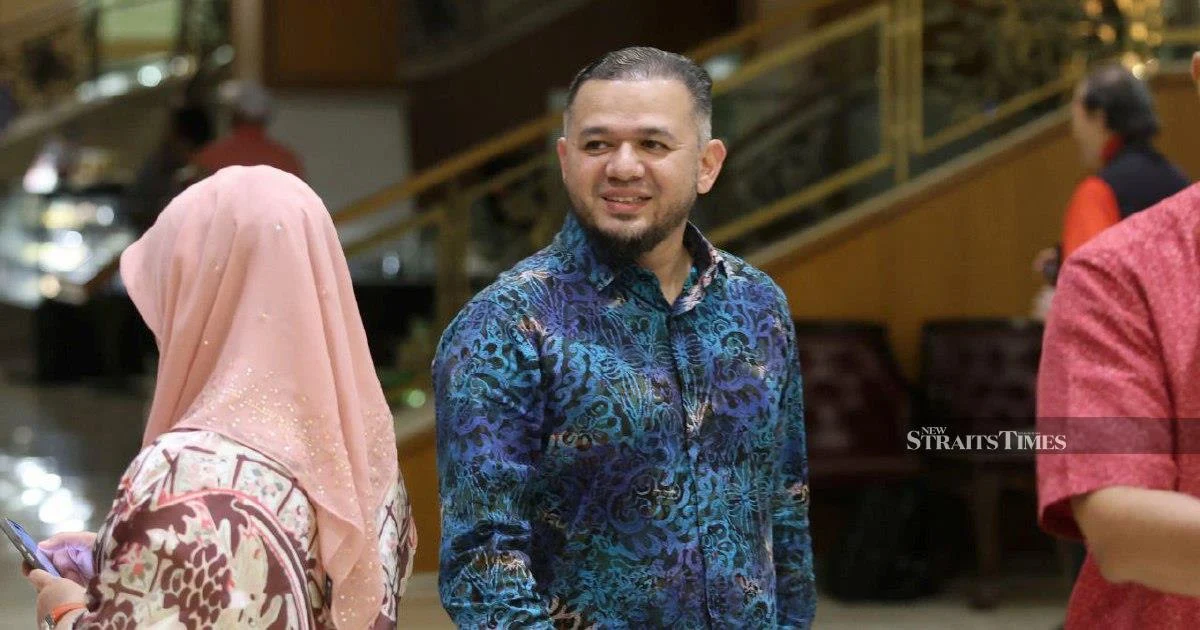
The High Court in Kuala Lumpur has upheld a significant financial obligation against Kangar Umno division chief Datuk Dr Fathul Bari Mat Jahya and two fellow former company directors, who must now repay RM492,480 to a hajj and umrah travel service provider. The trio's bid to postpone the execution of the judgment was dismissed by the court, clearing the way for the debt recovery process to proceed without further delay.
This ruling marks a setback for those involved, as their legal strategy to buy time through a stay of execution application has been rejected by the bench. The dismissal indicates the court found insufficient grounds to warrant halting the enforcement of the earlier judgment. For the hajj service provider, the court's decision represents vindication of their claim and a significant step towards recovering the disputed funds.
The case underscores ongoing scrutiny of corporate governance and financial accountability among business figures with political connections. Umno, Malaysia's largest Malay-Muslim party, has in recent years grappled with internal corruption concerns and governance issues that have attracted judicial and public attention. The involvement of a party division chief in such a dispute adds another layer to the broader conversation about standards within party-linked business circles.
Hajj and umrah services constitute a substantial industry in Malaysia, with numerous licensed operators managing travel arrangements, accommodation, and religious guidance for Muslim pilgrims. These service providers typically handle significant upfront payments from clients and operate under strict regulatory frameworks. When disputes arise, they often centre on contractual obligations, service delivery, or refund entitlements. The fact that this provider pursued recovery through the courts suggests a substantial breach or non-fulfilment of contractual terms.
The RM492,480 sum is substantial enough to warrant serious attention from those ordered to pay. For individuals in business and politics, such judgments can have reputational consequences beyond the immediate financial burden. The requirement to satisfy a court order within specified timeframes can also create operational challenges, particularly if the funds must be mobilised quickly or if other financial commitments take precedence.
The dismissal of the stay application is procedurally significant because it demonstrates that the court was not persuaded that execution should be deferred pending further appeals or legal arguments. In Malaysian civil litigation, stay applications succeed when the applicant demonstrates a strong prospect of success on appeal, irreparable harm, or a serious question to be tried. The court's rejection suggests it found these thresholds were not met, or that the balance of convenience favoured allowing the judgment to be enforced.
For Umno, which has worked to rehabilitate its image following corruption scandals involving senior figures and party-linked entities, such developments continue to invite scrutiny. The party has signalled commitment to reform, but judicial outcomes involving party officials in commercial disputes complicate that narrative. The public disclosure of such cases also serves as a reminder of the ongoing importance of transparency and accountability across all levels of business and political leadership.
The implications extend beyond the immediate parties involved. Hajj service providers and similar operators in the pilgrimage industry will view this outcome as a positive development for creditor recovery. However, it also highlights the risks they face when dealing with corporate partners whose financial positions may be unstable or whose governance structures are questionable. The judgment may prompt industry players to tighten due diligence and contractual safeguards when engaging with new clients.
From a legal perspective, the High Court's decision reflects consistent judicial practice in dismissing stay applications that lack substantive merit. Malaysian courts have generally maintained a principled approach to such matters, requiring applicants to demonstrate genuine grounds rather than using procedural mechanisms as delaying tactics. This consistency supports the rule of law and ensures that judgments are enforceable within reasonable timeframes.
The three former company directors now face concrete obligations to satisfy the judgment. The timing of repayment, the method of settlement, and any potential disputes over the calculation of the amount may still generate further correspondence or negotiation between the parties. However, the court's dismissal of the stay application removes a significant procedural obstacle that might have prolonged the dispute indefinitely.
For Malaysian readers and businesses watching corporate accountability issues, this case exemplifies how courts continue to enforce contractual obligations and hold individuals responsible for their roles as company directors. Whether serving in political office or managing private enterprises, individuals who enter into commercial agreements remain subject to judicial enforcement when disputes cannot be resolved through negotiation or arbitration.
Looking forward, this ruling serves as a cautionary note to anyone involved in service provider contracts to maintain transparent dealings, fulfil contractual obligations promptly, and avoid situations where significant financial disputes require costly and time-consuming litigation to resolve. For the hajj and umrah industry specifically, it reinforces that legal recourse remains available when partners fail to meet their commitments, providing some assurance to an industry that relies on trust and timely financial settlements.

