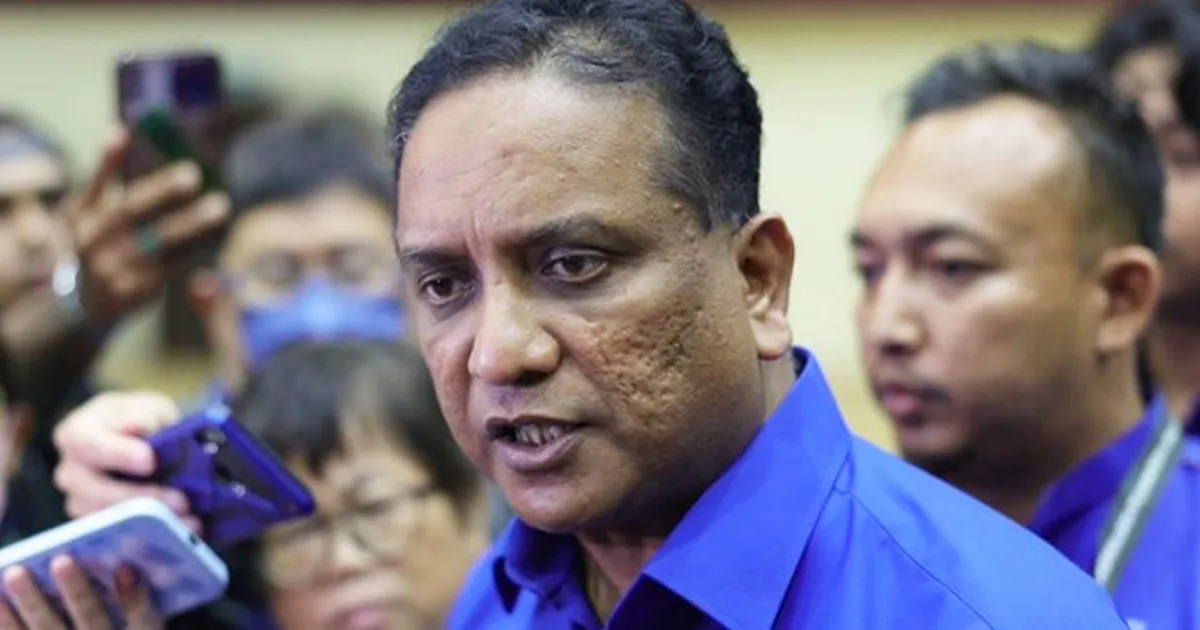
Reezal, an influential figure within Umno's decision-making hierarchy, has pushed back forcefully against mounting criticism linking the party and its broader political coalition to the mounting troubles at Tabung Haji, the pilgrimage savings institution that has faced severe financial strain in recent years. Speaking in his capacity as an Umno Supreme Council member, Reezal contended that the Royal Commission of Inquiry's findings into Tabung Haji's mismanagement should not become a cudgel for attacking the party or suggesting it has enabled systemic wrongdoing.
The Tabung Haji crisis has become an increasingly contentious political flashpoint in Malaysia, with the institution's deteriorating financial position raising difficult questions about governance, oversight, and accountability across multiple administrations. The RCI, tasked with investigating how the once-prestigious organisation dedicated to helping Malaysian Muslims save for the Hajj pilgrimage accumulated such substantial losses, produced findings that implicated various parties in operational failures and investment missteps. These revelations have intensified scrutiny of how successive governments, many led or dominated by Umno, managed their responsibilities toward the institution.
Reezal's intervention reflects a broader defensive posture within Umno as the party faces persistent questions about whether it and its coalition allies failed in their fiduciary duties to Tabung Haji's contributors—predominantly Muslim savers whose life savings have been jeopardised by poor management. The Supreme Council member appears anxious to prevent the RCI's technical findings from being reinterpreted as evidence of political corruption or protection of wrongdoers, a distinction that may matter legally but carries diminishing political weight as public frustration grows.
The framing of Reezal's remarks reveals the tension between technical accountability and political responsibility. Even if Umno insists it did not actively shield specific individuals engaged in misconduct, the party's prolonged governance of the ministry overseeing Tabung Haji means it bore ultimate responsibility for the institution's oversight. For millions of Malaysian Muslims who invested their earnings into Tabung Haji accounts expecting secure savings, the distinction between passive negligence and active complicity offers limited comfort.
Tabung Haji's financial collapse has become emblematic of broader concerns about institutional governance in Malaysia, where the intertwining of political power and management of crucial social institutions has sometimes resulted in inadequate monitoring and delayed intervention when problems emerged. The institution's troubles were not sudden or unanticipated; warning signs accumulated over years, yet decisive corrective action was repeatedly deferred. Such delays themselves raise questions about whether political considerations influenced decision-making processes that should have prioritised depositors' interests.
The RCI's investigation examined complex issues including problematic property investments, questionable acquisitions, and asset management failures that drained Tabung Haji's reserves. Whether these failures stemmed from incompetence, conflicts of interest, or deliberate misconduct became central to the inquiry's mandate. Reezal's suggestion that party and coalition should not face blanket accusations implicitly acknowledges that individuals within the system did bear culpability—just not the organisations themselves in his reckoning.
For Malaysian observers and especially the Hajj fund's contributors, such semantic defences may ring hollow. Public trust in institutions is damaged not merely by corruption but by the perception of systemic negligence, inadequate oversight mechanisms, and the appearance that political institutions placed their own interests ahead of protecting ordinary savers' money. Whether Umno actively enabled wrongdoing or simply failed to prevent it may interest legal experts, but voters concerned with governance fundamentally care that safeguards failed.
The political ramifications of Reezal's statement extend beyond Umno's immediate image concerns. As Barisan Nasional contemplates its electoral prospects in an increasingly competitive political landscape, lingering questions about institutional stewardship under its watch remain liabilities. The Tabung Haji issue resonates particularly among the party's core Muslim constituency, whose support has proven less reliable in recent electoral cycles. Dismissing criticism as unfair party-bashing rather than addressing the substantive governance failures risks compounding rather than resolving the credibility challenge.
Looking forward, the question facing Malaysian policymakers is not whether to blame Umno or Barisan Nasional for specific mismanagement, but rather how to restructure oversight mechanisms to prevent such institutional failures regardless of which party holds power. Tabung Haji's experience underscores the need for independent boards, transparent decision-making processes, and vigilant regulatory oversight that does not depend on political goodwill or partisan considerations. Until such structural reforms materialise, similar crises remain likely across other government-linked institutions.

