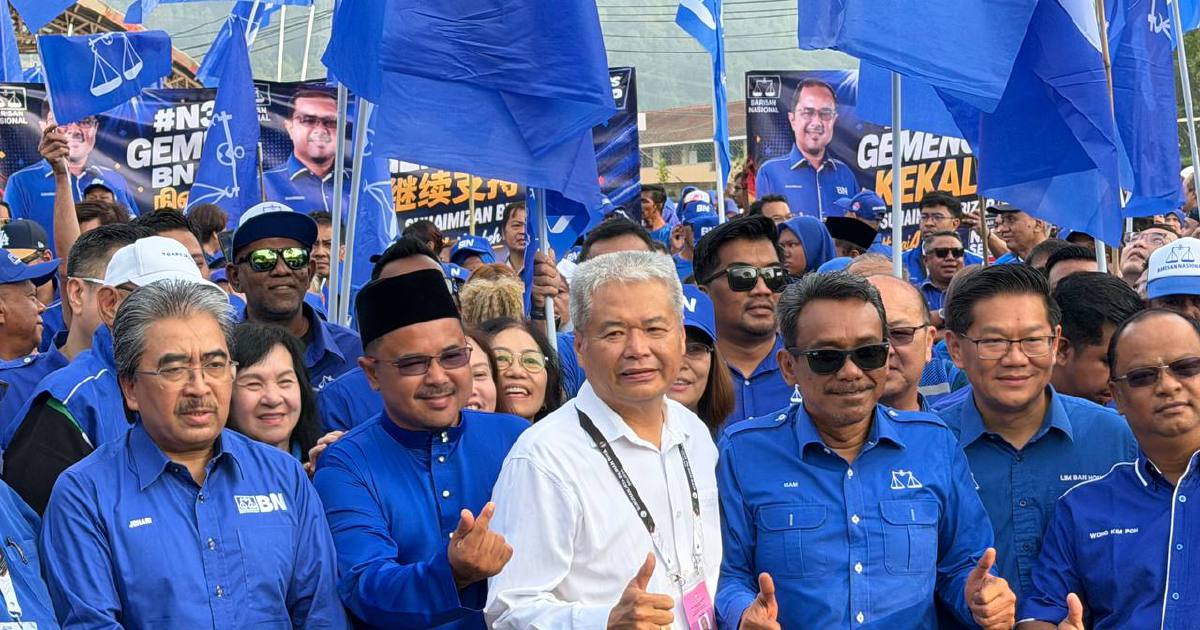
The Umno party machinery mobilised its senior leadership to the Negri Sembilan state election campaign on Monday, with vice-president Datuk Seri Johari Abdul Ghani and party treasurer Datuk Seri Tengku Adnan Tengku Mansor making a high-profile appearance at Dewan Perdana Tampin. Their presence at the nomination centre underscored the coalition's determination to reassert itself in a state where Barisan Nasional's electoral fortunes have become increasingly contested. The show of senior party figures on the ground during the critical nomination phase sends a clear message about Umno's commitment to the contest.
The appearance of these two prominent figures carries particular significance given the shifting political landscape across Peninsular Malaysia. Johari, as vice-president, holds considerable sway within Umno's internal decision-making structures and represents continuity with the party's traditional power bases. Tengku Adnan's role as treasurer positions him as a custodian of party resources and institutional interests, making his presence a statement about the seriousness with which Umno views this electoral challenge. Together, their attendance at the nomination process demonstrates coordination at the highest echelons of party leadership.
Negri Sembilan has emerged as a battleground where traditional Barisan Nasional dominance faces genuine pressure from opposition coalitions and internal factional considerations. The state has historically served as an important revenue generator and power base for Umno, making any erosion of support a matter of concern for the party's national positioning. The decision to deploy these senior figures during the nomination phase reflects strategic thinking about where the party needs to consolidate its position. Their engagement with candidates and ground-level party machinery suggests a hands-on approach to addressing vulnerabilities.
The nomination centre event represents a moment when party hierarchies and candidate selections become publicly visible, offering an opportunity for leadership to reinforce key messages about party unity and electoral readiness. By positioning themselves alongside candidates at this crucial juncture, Johari and Tengku Adnan provided visual affirmation of senior party endorsement. Such gestures carry weight in Malaysian political culture, where the perception of backing from the party hierarchy influences both candidate morale and voter sentiment.
For candidates participating in the Negri Sembilan election, the presence of senior party leadership serves multiple functions. It provides them with access to party machinery and resources at the national level, signals to their constituencies that they enjoy patronage from central party structures, and demonstrates that the party considers their contests winnable and worthy of investment. The symbolic importance of such accompaniment should not be underestimated in a competitive electoral environment where perceived momentum and institutional support influence voter calculations.
Umno's broader strategy in Negri Sembilan reflects the party's need to consolidate support across diverse demographic and geographic constituencies. The state encompasses urban centres with more educated, mobile voters as well as rural areas with traditionally stable Umno support bases. Different constituencies require different campaign strategies, and the presence of senior figures allows for central coordination and message consistency across these varied contexts. The deployment of party leadership also enables rapid response to emerging campaign issues and competition from opposition parties.
The timing of this nomination centre event coincides with a period of heightened political activity across several Malaysian states, reflecting the current electoral cycle and the intensification of political competition nationwide. Negri Sembilan's election occurs within this broader context of political contestation, where every state election carries implications for the national political balance and the positioning of major coalitions ahead of potential future general elections. The state's result could signal important trends about voter preferences and coalition performance.
For the Barisan Nasional coalition more broadly, the Negri Sembilan contest represents an opportunity to demonstrate that the traditional ruling coalition remains capable of winning contested elections and retaining voter support. Success in this state would provide important political momentum and substantiate claims about the coalition's continued relevance and appeal. Conversely, a disappointing performance would raise questions about Barisan Nasional's trajectory and capacity to adapt to changing voter preferences. The intensity of senior leadership involvement reflects awareness of these higher stakes.
The appearance at Tampin nomination centre also reflects Umno's organisational capacity to mobilise senior figures for electoral campaigns despite the party's ongoing internal management of factional interests and competing agendas within the broader coalition framework. The coordination required to bring senior party leadership to campaign events demonstrates functional party machinery and suggests confidence in the party's ability to contest effectively. The presence of both the vice-president and treasurer indicates that multiple power centres within Umno have aligned around the election strategy.
For Malaysian voters and observers monitoring Negri Sembilan politics, the involvement of these senior Umno figures provides a clear indication of which way central party leadership is directing organisational resources and attention. Such visibility enables constituents to recognise that their state contest matters within national party calculations and that local candidates are integrated into broader party structures rather than operating independently. This integration of local contests into national party frameworks has become increasingly important in an era of mobile populations and digitalised political communication.
The Negri Sembilan election presents an important test of whether Barisan Nasional can retain or expand its position through effective campaign coordination, candidate selection, and institutional support. The presence of Johari and Tengku Adnan at the nomination centre demonstrates that Umno is treating this challenge seriously and deploying its most significant assets to achieve the best possible outcome. The coming weeks will reveal whether this leadership commitment translates into electoral success and whether the campaign generates the momentum that senior party figures evidently intend to create.

