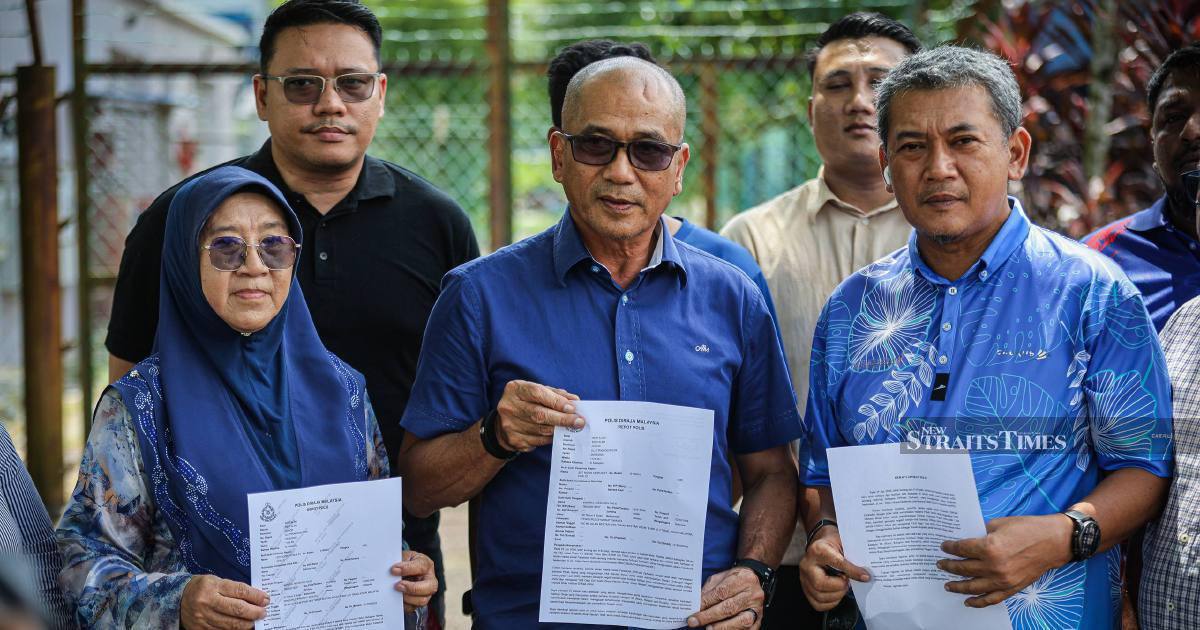
A political storm is brewing in Johor after prominent Barisan Nasional figures escalated their dispute with a prominent critic by formally reporting him to police. The complaints, lodged by several members of the state coalition, name Datuk Dr Mohd Puad Zarkashi, a veteran of Umno's senior leadership structures, as the subject of their grievances centring on allegations he made regarding the Johor palace's purported interference in state political affairs.
Puad's public statements have touched a sensitive nerve within Johor's political establishment. The former Umno supreme council member has been outspoken in claiming that the Johor royal institution has wielded undue influence over the direction of state Umno politics and wider governmental decisions. These assertions have proven controversial, prompting swift and organised responses from within the Barisan Nasional camp in the state.
The move to involve law enforcement represents an escalation beyond the realm of political debate and into formal legal territory. By filing police reports, the complainants are signalling that they view Puad's statements as potentially crossing legal thresholds—whether through defamation, sedition, or other applicable statutes. This tactical shift underscores the gravity with which state-level Umno leaders regard the allegations and the damage they believe such claims could inflict on institutional relationships and party stability.
For Malaysian readers accustomed to the state's complex political dynamics, the complaint mechanism serves multiple purposes. It creates an official record, elevates the dispute beyond party circles, and places Puad under potential legal scrutiny. From a strategic perspective, the reports also deflect focus from the substance of his allegations onto his conduct, effectively reframing the narrative from questions about palace influence to questions about Puad's propriety.
The timing of these police reports reflects deeper fissures within Johor's Umno apparatus. Puad's willingness to publicly articulate concerns about palace involvement in party matters suggests either significant internal dissatisfaction with current political arrangements or deliberate positioning ahead of anticipated leadership contests. His status as a former supreme council member lends credibility to his claims in the eyes of party members and observers, making the establishment's response all the more forceful.
Palace-related political sensitivities carry particular weight in Malaysia, where constitutional arrangements grant substantial authority to royal institutions in several states. Johor's sultanate wields considerable formal and informal influence over state governance. Direct allegations touching on royal overreach therefore strike at fundamental questions about the balance between constitutional monarchy and democratic governance—issues that authorities naturally approach with caution and concern.
Within the Southeast Asian context, the incident reveals enduring patterns of how political disputes in Malaysia's federal system translate into legal action. Rather than engaging in prolonged public debate, aggrieved parties frequently opt for police reports and court mechanisms, a pattern observed across the region's hybrid political systems where formal institutions intersect with personalised power networks.
The police reports also illuminate the protective posture of Johor's Barisan Nasional leadership. Whether or not the allegations carry substantive truth, allowing such claims to circulate unchecked could undermine confidence in state party leadership and governance structures. The coordinated nature of multiple reports suggests organisational backing, indicating that party machinery has been mobilised to contain and counter the narrative Puad has introduced.
Puad's background as a respected party intellectual and former policymaker gives his statements particular potency. This is not a fringe figure making accusations, but someone with institutional memory and established standing. This reality likely accelerated the decision to seek police intervention, as allowing a figure of his stature to establish such allegations as part of the public record without legal pushback could have longer-term consequences for institutional standing and party credibility.
The incident raises broader questions about political culture in Malaysia's largest party. Internal criticism and dissent exist within Umno, yet the pathway for airing such grievances remains contentious. When senior figures resort to public allegations rather than internal mechanisms, it signals either that internal channels are inadequate or that the critic believes external pressure is necessary to achieve accountability.
Looking forward, the legal proceedings initiated through these police reports will likely consume considerable political attention in Johor. The outcome—whether authorities determine allegations warrant investigation, prosecution, or dismissal—will send significant signals about institutional relationships and the boundaries of acceptable political speech in Malaysia's second-largest state. For Umno nationally, the Johor situation represents another chapter in the party's ongoing struggles with internal cohesion and institutional credibility following years of political turbulence.

