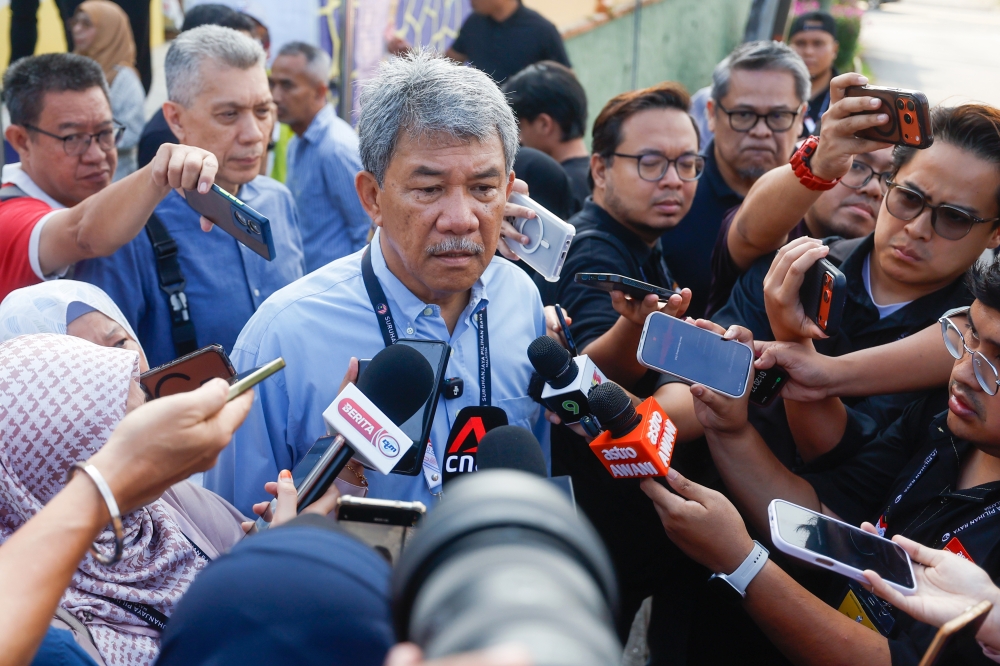
The Barisan Nasional coalition's Umno component has produced both the youngest and oldest winning candidates in Negeri Sembilan's state election, a dual achievement that underscores the party's capacity to mobilise support across the full breadth of the electorate. Siti Nur Umaira Hasim, at thirty-five years old, emerged victorious in her contest, while simultaneously, the party fielded significantly older candidates who also secured their seats, creating a demographic range that reflects the traditional structure of Malaysia's political establishment.
The contrast between these two electoral outcomes carries particular significance for Umno's strategic positioning within the peninsula's heartland states. Negeri Sembilan, historically a stronghold for the party, continues to serve as a testing ground for its ability to project both youthful dynamism and accumulated experience simultaneously. The election results suggest that voters in the state remain receptive to Umno's messaging regardless of whether that message is delivered by candidates entering their mid-career phase or those drawing upon decades of political involvement.
For the broader Barisan Nasional coalition, the victory represents continuity in a state where the partnership has long maintained predominant influence. The multi-generational success of Umno's candidates hints at an electoral strategy deliberately calibrated to appeal to varying demographic segments—younger voters seeking fresh representation and established constituencies valuing consistency and proven track records. This balancing act remains crucial in Malaysian politics, where generational tensions within traditional parties frequently surface as flashpoints for internal debate.
Negeri Sembilan's political landscape has undergone subtle shifts in recent election cycles, making the party's broad-based victory particularly noteworthy. The state's electorate encompasses both urban centres with increasingly cosmopolitan electorates and rural constituencies where traditional power structures maintain considerable sway. Umno's success in fielding competitive candidates across this spectrum demonstrates the party's continued organisational reach, even as it navigates changing voter expectations and the persistent challenge posed by opposition coalitions in certain districts.
The age composition of Umno's winning slate also reflects ongoing discussions within the party regarding succession planning and leadership renewal. While the emergence of younger figures like Siti Nur Umaira Hasim suggests attempts to project a forward-looking image, the simultaneous victory of senior candidates indicates that the party has not yet fully transitioned toward youth-dominated leadership. This generational coexistence, though potentially creating internal friction, appears to resonate with Negeri Sembilan voters who seem comfortable rewarding both established figures and rising political talents.
From a regional perspective, Negeri Sembilan's election outcomes carry implications for the broader Malaysian political conversation surrounding Umno's revival after the party's significant setback in the 2018 general election. Victories in the party's traditional strongholds provide essential credibility and momentum, particularly as Umno positions itself within the Barisan Nasional framework and navigates complex coalitional mathematics at both state and federal levels. The state's results suggest that the party's rehabilitation efforts have gained traction among its core constituencies, though generalising from Negeri Sembilan to national-level implications requires considerable caution.
The electoral success of Umno candidates spanning such a wide age range also speaks to the mechanics of candidate selection within Malaysia's political parties. The fact that both younger and older individuals could secure nomination and subsequently win their contests indicates either that internal party dynamics permitted diverse representation, or alternatively, that local conditions in Negeri Sembilan were sufficiently favourable to allow Umno to field competitively across demographic categories. Understanding which explanation holds greater weight requires examining the specific circumstances of individual constituencies and the distribution of Umno's organisational resources across the state.
From a governance perspective, the influx of younger representatives like Siti Nur Umaira Hasim into state legislative bodies carries longer-term implications for policy direction and the evolution of political priorities. Youth-oriented candidates often arrive with different policy emphases than their senior counterparts, potentially shifting debate within state assemblies toward issues like digital governance, education reform, and employment generation. Simultaneously, the retention of experienced legislators ensures institutional memory and continuity in legislative operations.
The electoral pattern observed in Negeri Sembilan also reflects broader trends in Malaysian politics where demographic diversity within party slates has become increasingly important for electoral messaging. Political parties across the spectrum now recognise that presenting candidates of varying ages, genders, and professional backgrounds serves both symbolic and practical purposes, signalling inclusivity while attempting to construct winning coalitions that span different voter segments. Umno's apparent success in this regard in Negeri Sembilan suggests that the strategy, at least in this context, resonates with voters.
Looking forward, the composition of Negeri Sembilan's post-election leadership cohort will merit observation as observers assess whether younger representatives manage to influence state policy agendas or whether entrenched older figures maintain predominant control over decision-making processes. The balance struck in this state election between generational representation may well serve as a prototype for how Malaysia's major parties attempt to manage succession and renewal while maintaining electoral competitiveness.

