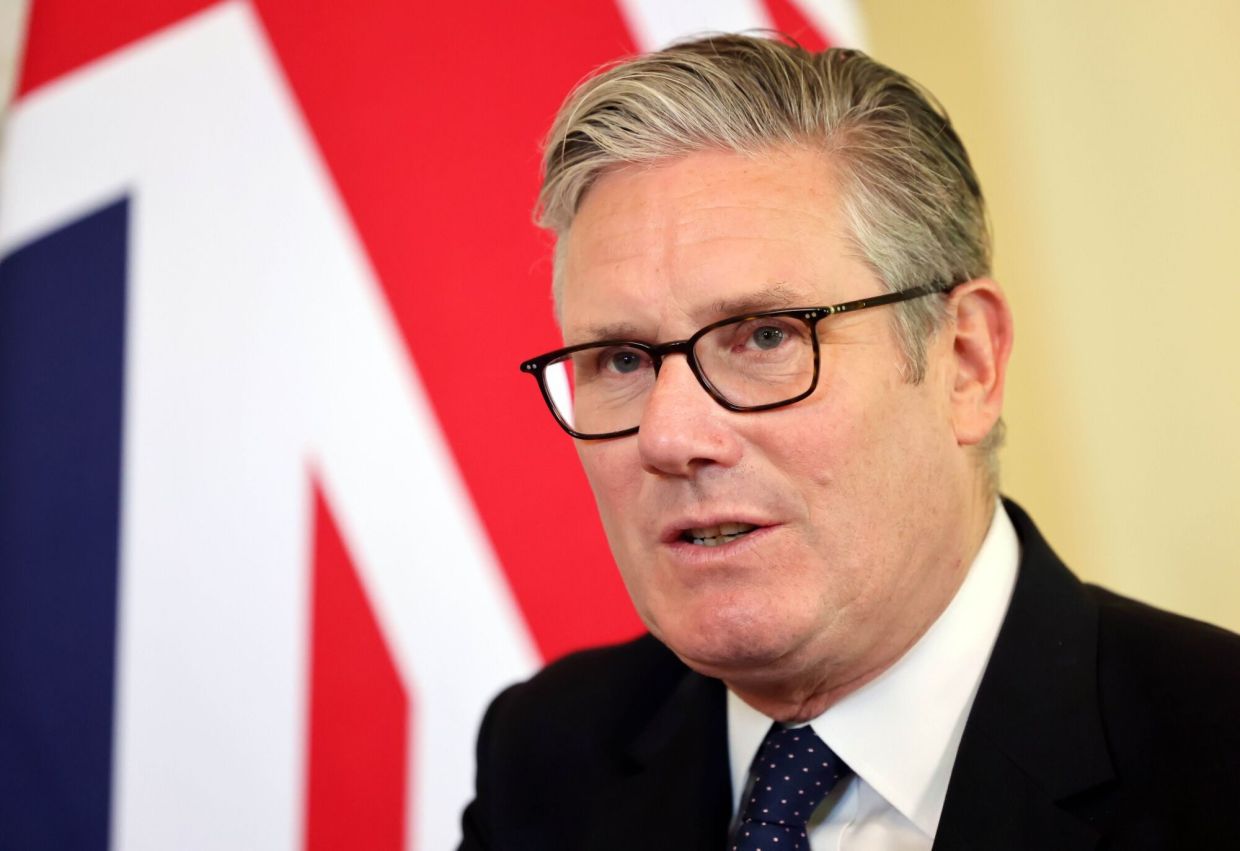
Prime Minister Keir Starmer is set to unveil Monday morning a sweeping package of curbs aimed at shielding British youth from digital harms. The announcement will include a prohibition on children under 16 accessing major social media sites, alongside additional safeguards such as age-based curfews for older adolescents and stricter oversight of artificial intelligence chatbots. Following this declaration, Starmer will travel to Évian-les-Bains, France for the Group of Seven gathering, where he must contend with questions arising from his defence secretary's resignation last week and lingering uncertainty over military spending allocations.
Public backing for restricting teenage access to social media remains robust, notwithstanding implementation challenges. The government's comprehensive approach, encompassing restrictions on certain digital games and chatbot functions, represents a more stringent framework than the legislation introduced in Australia, which took effect in the previous year. "This is a choice about whose side we're on: families across the country, or a status quo that isn't working," Starmer stated in a late Sunday message.
Criticism has emerged from multiple quarters. Ian Russell, whose teenage daughter died in 2017 following exposure to damaging digital material, characterised the timing as potentially "deplorable" in an interview with the BBC, suggesting the premier may be rushing the measure as part of a broader policy announcement before confronting an anticipated leadership contest. Several members of Starmer's own cabinet harbour doubts about the accelerated timeline, with the public consultation period having concluded fewer than three weeks prior to the announcement.
Opposition parties have seized on the announcement's timing. The Liberal Democrats labelled the policy a "half-baked" initiative designed primarily to bolster the premier's political standing. Starmer's immediate political future hinges partly on Thursday's special election in Makerfield, northwest England, where Andy Burnham is forecast to secure a parliamentary seat. Should Burnham prevail against Nigel Farage's Reform UK, he is expected to mount a challenge to Starmer, potentially triggering a summer leadership contest.
Recent departures have further complicated Starmer's position. John Healey, the departing defence secretary, and junior minister Al Carns, alongside two ministerial aides, stepped down last week. Healey argued that Starmer had failed to obtain sufficient military funding increases given mounting pressures from Russia and other regional threats. Nevertheless, Culture Secretary Lisa Nandy indicated on Sunday that negotiations were continuing to identify supplementary financial resources across government departments to strengthen defence capabilities, with Nandy telling the BBC that deliberations remained active.