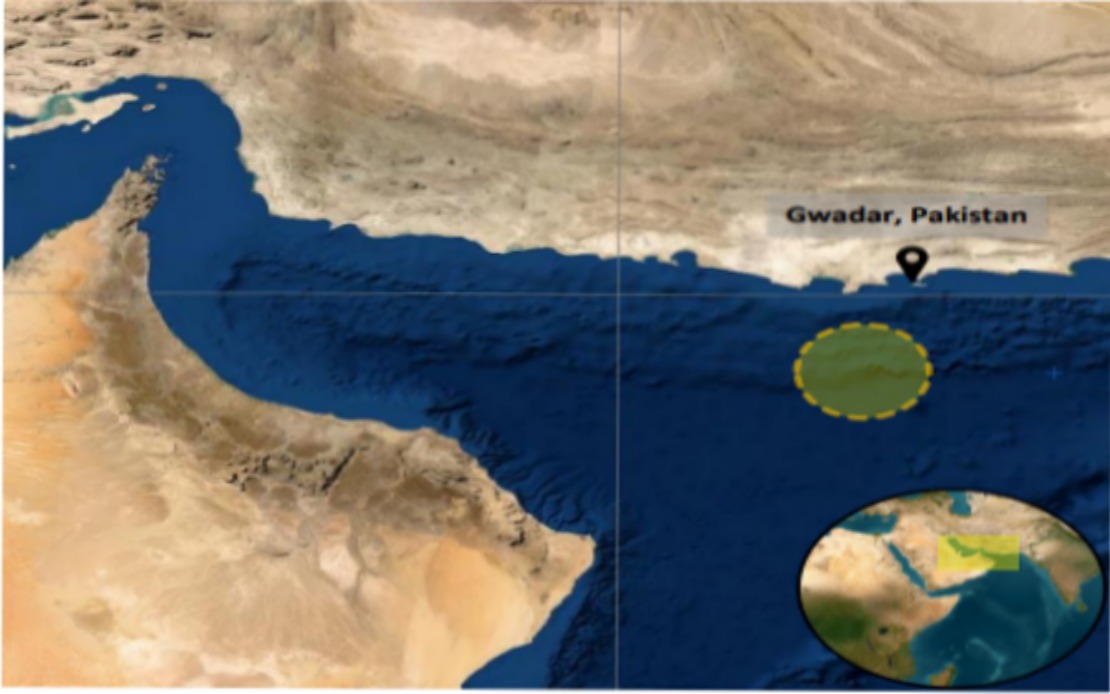
A maritime incident unfolding in one of the world's most strategically sensitive waterways has prompted fresh warnings to commercial shipping traffic. The UK Maritime Trade Operations, which monitors vessel movements and security threats across major shipping corridors, disclosed on Tuesday that it had received reports of an encounter between a tanker and military forces operating in the Gulf of Oman, specifically in the vicinity of Gwadar on Pakistan's southwestern coast.
The nature and precise circumstances of the incident remain shrouded in limited official disclosure. UKMTO's statement acknowledged awareness of the situation and confirmed that relevant investigative processes are underway, though it refrained from elaborating on specifics such as the tanker's identity, nationality, cargo classification, or the military forces involved. The agency similarly provided no immediate assessment of whether the encounter resulted in casualties, structural damage to the vessel, or environmental concerns—details that would typically feature prominently in incident reports affecting major commercial routes.
Through its formal advisory, UKMTO instructed mariners traversing the region to remain vigilant regarding current maritime security assessments and to maintain heightened operational awareness given what it characterised as an "evolving operational environment." This measured language, standard in maritime communications, essentially cautions vessel operators that conditions in the waterway warrant careful navigation decisions and contingency planning. For shipping companies and insurers already grappling with elevated insurance premiums and lengthened transit routes through this chokepoint, such advisories underscore persistent volatility affecting global energy and trade flows.
The timing of this incident acquisition is significant, arriving amid a broader pattern of military escalation affecting the Strait of Hormuz and surrounding waters. The region has experienced several confrontational episodes between United States naval forces and Iranian military assets over recent months, creating an atmosphere of unpredictability that directly impacts commercial maritime operations. These tensions have periodically resulted in vessel seizures, drone interceptions, and occasional direct military engagements, all of which ripple through global shipping insurance markets and energy pricing mechanisms.
For Southeast Asian nations, including Malaysia, such incidents carry material economic consequences. As a significant maritime trading bloc dependent on unimpeded passage through critical waterways, the region faces exposure to potential supply chain disruptions and elevated shipping costs whenever tensions spike in the Middle East. Malaysian petrochemical industries, shipping companies, and trading enterprises all monitor Gulf of Oman conditions closely, as disruptions to this corridor can cascade through regional logistics networks and inflation-sensitive sectors.
The Gulf of Oman's position as a natural gateway to the Strait of Hormuz—through which approximately one-third of global seaborne oil trade transits—makes it a flashpoint for geopolitical competition and occasional military brinkmanship. Pakistan's Gwadar port, where this latest incident occurred, sits at the intersection of major regional interests, with Chinese strategic infrastructure investments, international maritime trade, and South Asian security considerations all converging at this location. The port's proximity to both major shipping lanes and Pakistani military operations means that incidents in its vicinity often carry broader implications beyond the immediate vessels involved.
The absence of detailed information from UKMTO is itself noteworthy. Maritime authorities typically provide vessel descriptions, incident classifications, and preliminary damage assessments relatively quickly when safety-critical information affects other transiting ships. The agency's reticence suggests either that investigations are genuinely in their earliest stages, or that sensitive geopolitical considerations may be influencing the pace and scope of public disclosure. This opacity can itself fuel market uncertainty and may prompt some shipping companies to divert around the region or delay sailings pending clarity.
The incident intersects with broader concerns about maritime security infrastructure in the Indian Ocean region. Malaysia, along with other regional maritime powers, maintains substantial interests in preserving freedom of navigation and preventing the militarisation of critical shipping corridors. International maritime law provides frameworks for safe passage, yet enforcement and dispute resolution remain contested when powerful military actors are involved. The International Maritime Organization and regional bodies face persistent challenges in maintaining order across contested waters where great power competition and sectarian tensions frequently converge.
Historically, tanker incidents in this region have occasionally involved alleged drone attacks, boarding operations by naval forces claiming legal justification, or accidents amid tense military postures. Whatever occurred in this instance, the episode reinforces a pattern where commercial operators must navigate not only conventional maritime hazards but also unpredictable geopolitical dynamics. Insurance underwriters respond by pricing risk premiums substantially higher for Gulf of Oman transits, effectively imposing a "geopolitical tax" on global energy consumers and traders.
Governments and maritime authorities across Southeast Asia will likely monitor subsequent developments closely. Malaysian shipping interests, in particular, given the nation's substantial maritime trade volume and insurance sector involvement, stand to be affected by any sustained escalation in Gulf tensions. The upcoming weeks will reveal whether this incident represents an isolated occurrence or signals a renewed phase of confrontation that could further disrupt one of the world's most critical commercial waterways and test the resolve of international maritime governance frameworks.

